-
 Ministries, Juba, South Sudan
-
 info@mogei.gov.ss
Opening Hours: Monday to Friday - 8:00AM to 5:00PM
Ministries, Juba, South Sudan
info@mogei.gov.ss


Opening Hours: Monday to Friday - 8:00AM to 5:00PM
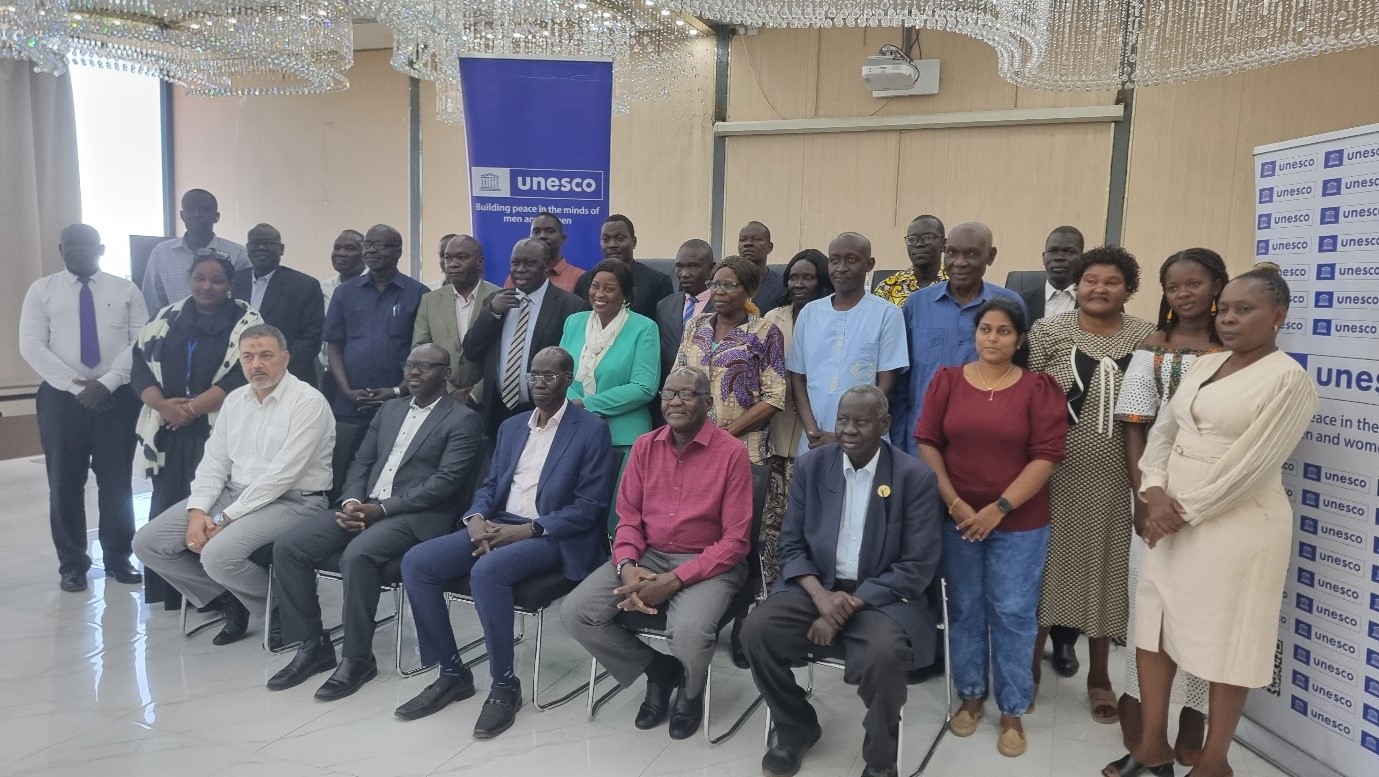
Juba, South Sudan, 13 October 2026 – The University of Juba, in collaboration with the Ministry of General Education and Instruction (MoGEI) through the Directorate of Technical and Vocational Education and Training (TVET), and with support from the African Development Bank (AfDB) and UNESCO, has successfully conducted a stakeholder validation workshop for five new competency-based curricula in food science and technology.
The validation workshop marks a significant milestone in the implementation of the Support to Technical and Vocational Education and Training (TVET) for Value Chain Development Project, an initiative designed to strengthen skills development, improve food security, promote value addition, and create employment opportunities for young people across South Sudan.
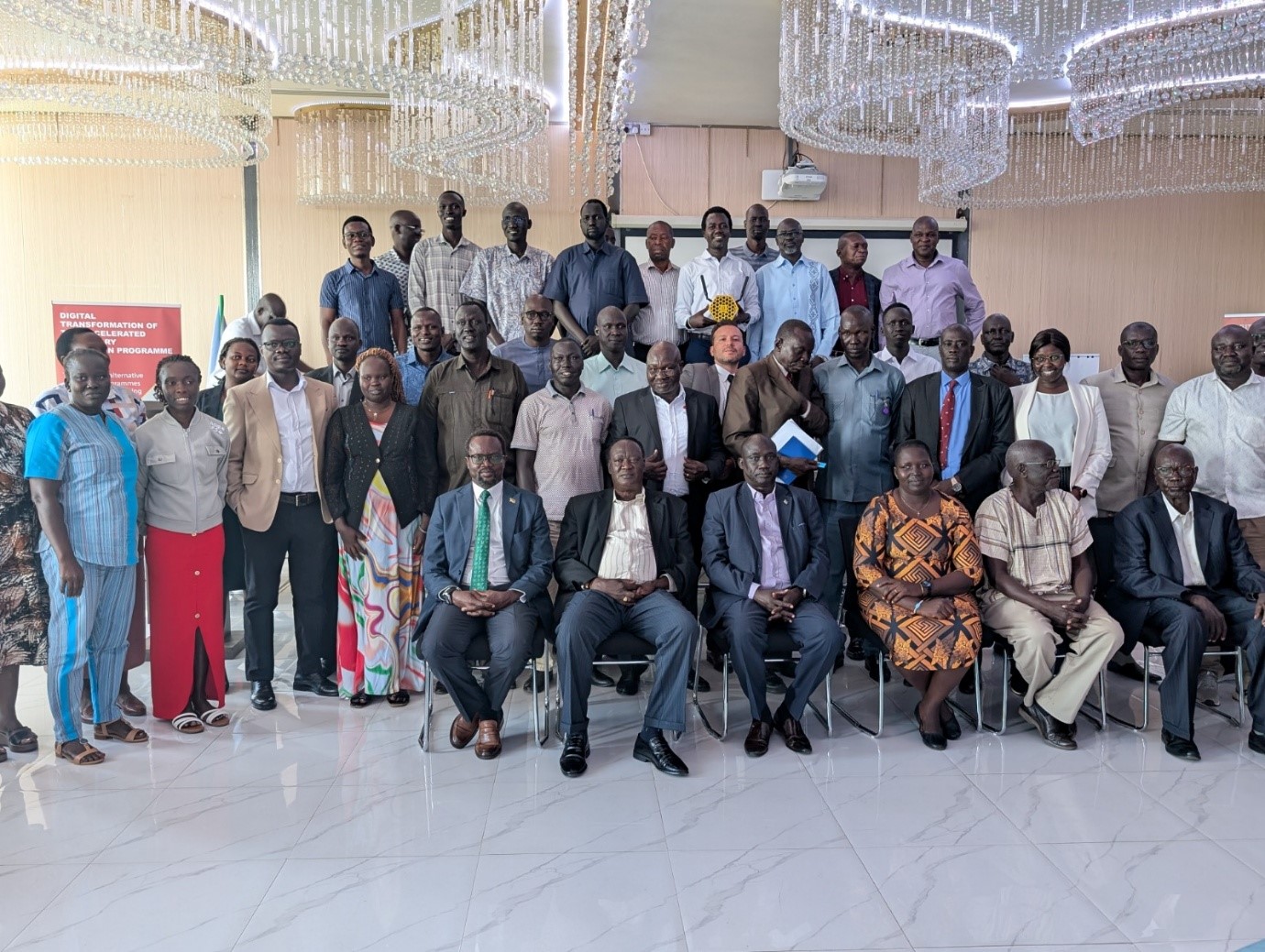
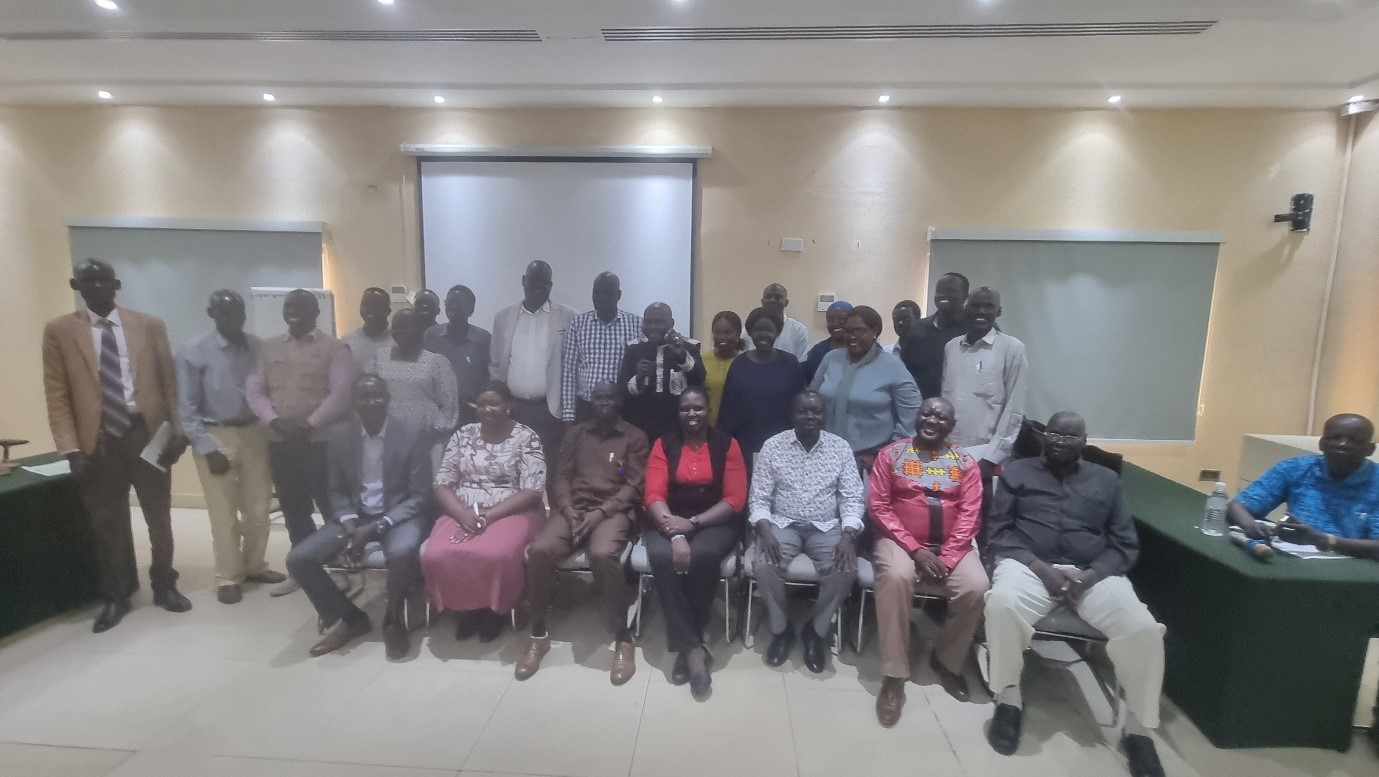
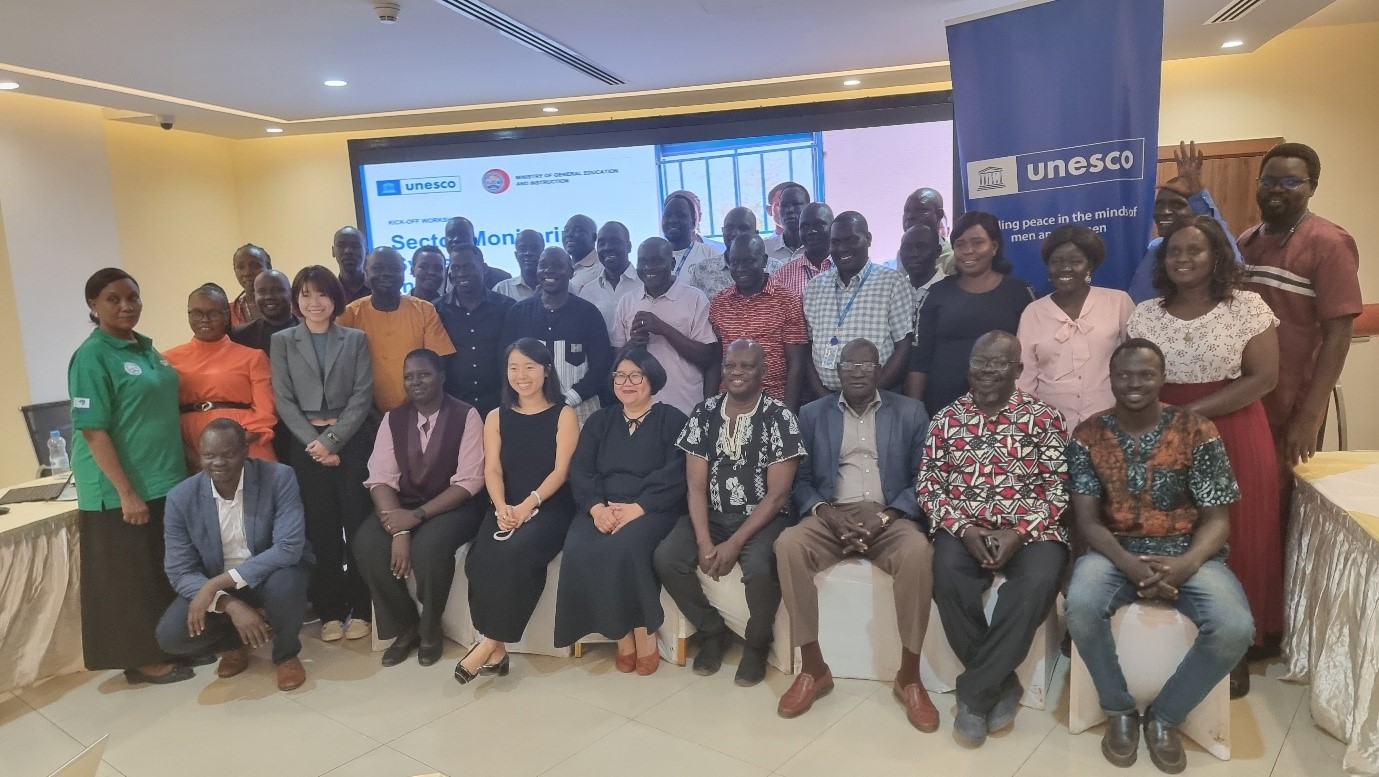
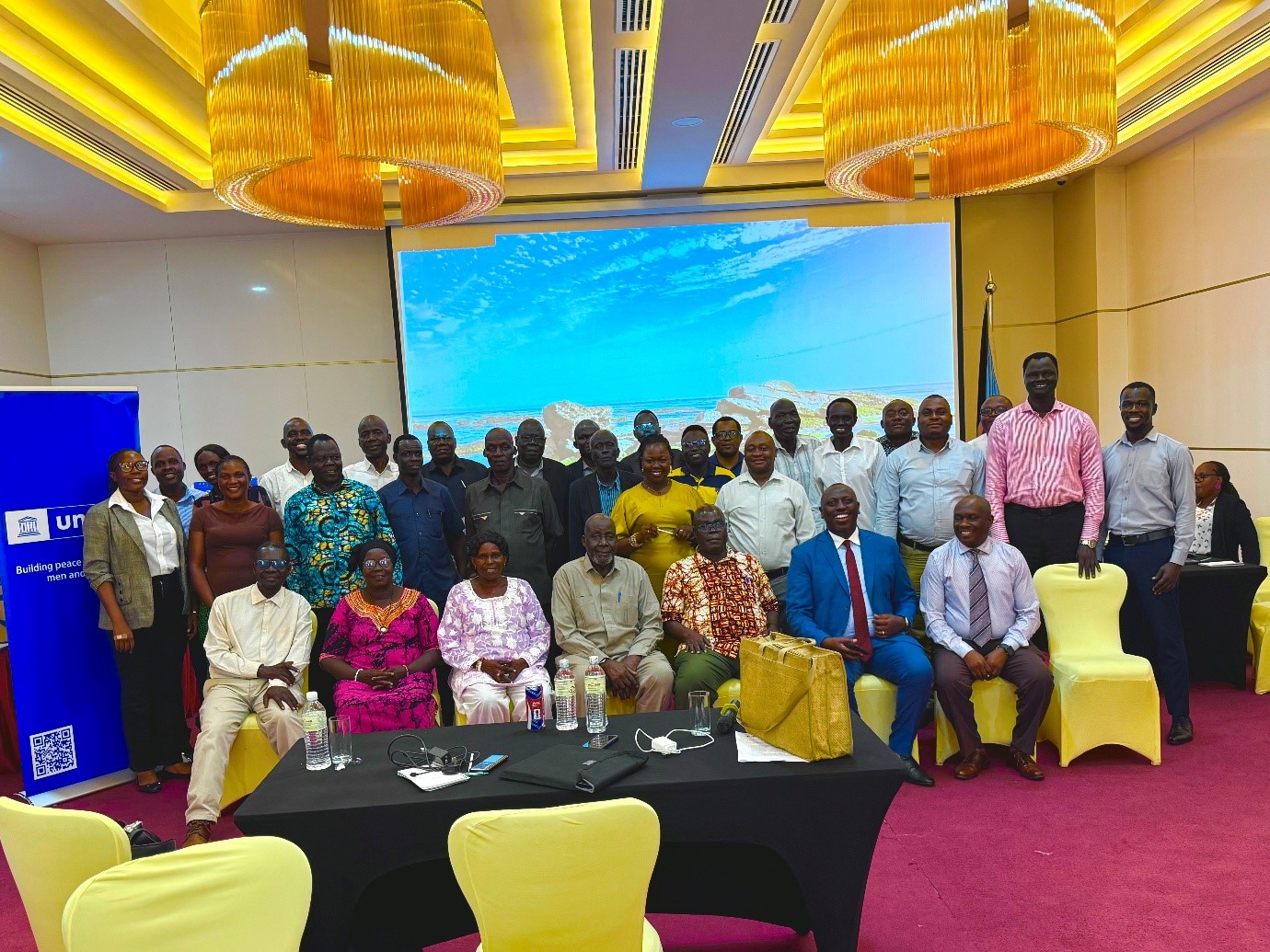
Held at the Juba Regency Hotel, the workshop brought together government institutions, academia, development partners, regulatory bodies, and private sector stakeholders to review and validate curricula that will equip learners with practical and industry-relevant competencies in food science and food safety. The five curricula validated during the workshop are: • Food Technology • Food and Nutrition • Food Microbiology • Food Biotechnology • Food Chemistry
These programmes are designed to provide learners with practical skills and technical expertise required to support food production, processing, quality assurance, and food safety systems, while responding to labour market demands and national development priorities.
Beyond curriculum development, the project will support the training of 300 technicians, including 80 scholarships for women, while also strengthening institutional capacity through advanced training opportunities for lecturers. Five lecturers from the University of Juba are already pursuing specialized training at Makerere University as part of the initiative.
Speaking on behalf of the Director General for TVET, Mr. Taban Kozo described the curriculum development process as a major achievement in strengthening skills training in South Sudan.
"Technical and vocational education and training is critical to addressing skills gaps in the agricultural sector, which remains the backbone of South Sudan's economy. Investing in practical skills development will empower individuals, strengthen livelihoods, and contribute to the country's long-term economic growth and food security."
He emphasized that TVET remains a vital pathway for equipping young people with employable skills while supporting productivity and innovation across agricultural value chains.
Mr. Abdul Wadood, representing UNESCO, commended the University of Juba and participating ministries for organizing the validation workshop. He noted that UNESCO, as the implementing partner for the African Development Bank-funded TVET project, is supporting South Sudan's efforts to strengthen a skills development system that is responsive to labour market needs.
He described the validation of the five competency-based curricula as a critical step toward ensuring quality, relevance, and industry alignment, while reaffirming UNESCO's commitment to supporting TVET through investment in infrastructure, equipment, capacity building, and scholarship opportunities.
In his welcoming remarks, the Vice-Chancellor of the University of Juba highlighted the strategic importance of the initiative.
"Today's stakeholder validation workshop marks an important milestone in the implementation of the TVET for Value Chain Development Project. The curricula under review will provide the foundation for high-quality, competency-based training programmes that emphasize practical and industrial skills in food science, agro-processing, quality assurance, and agricultural value chain development. These programmes are expected to contribute significantly to increased productivity, value addition, food security, and employment opportunities across South Sudan."
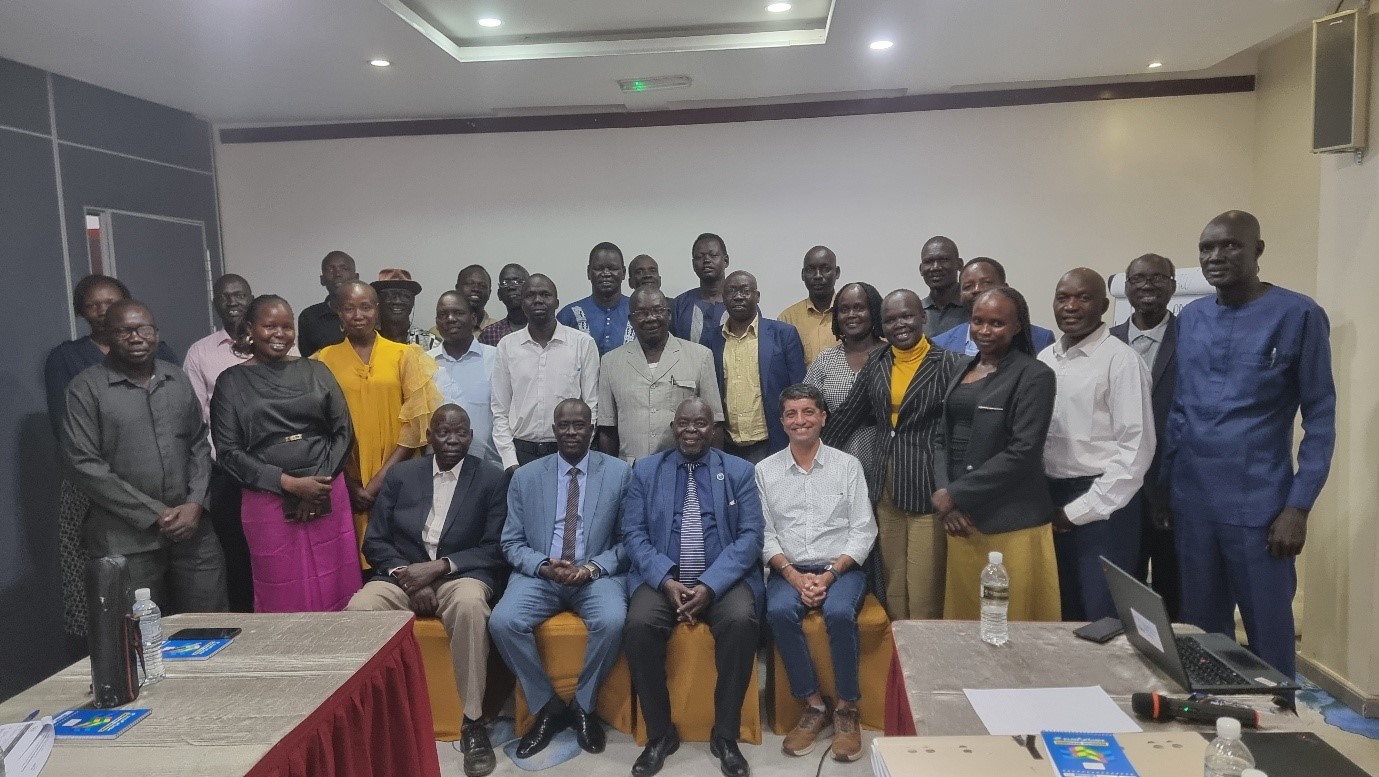
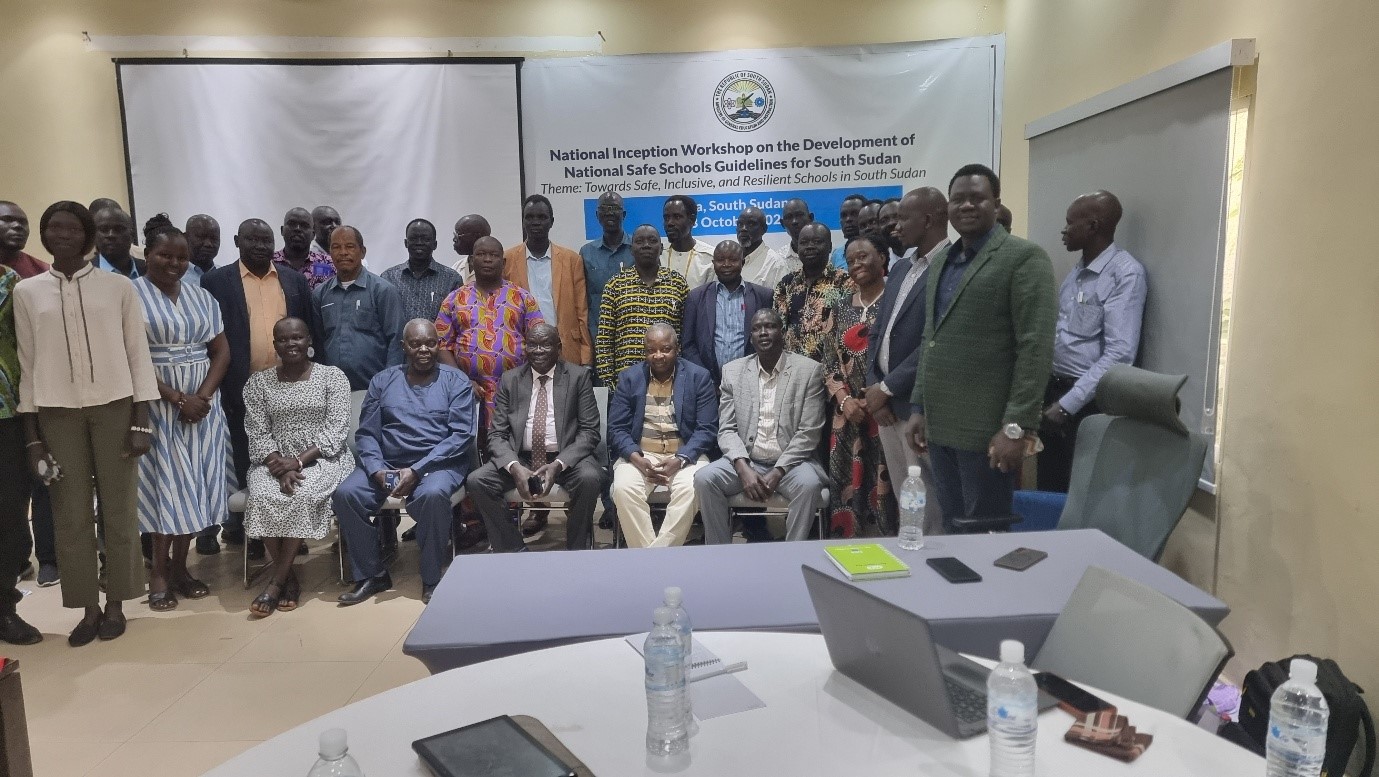
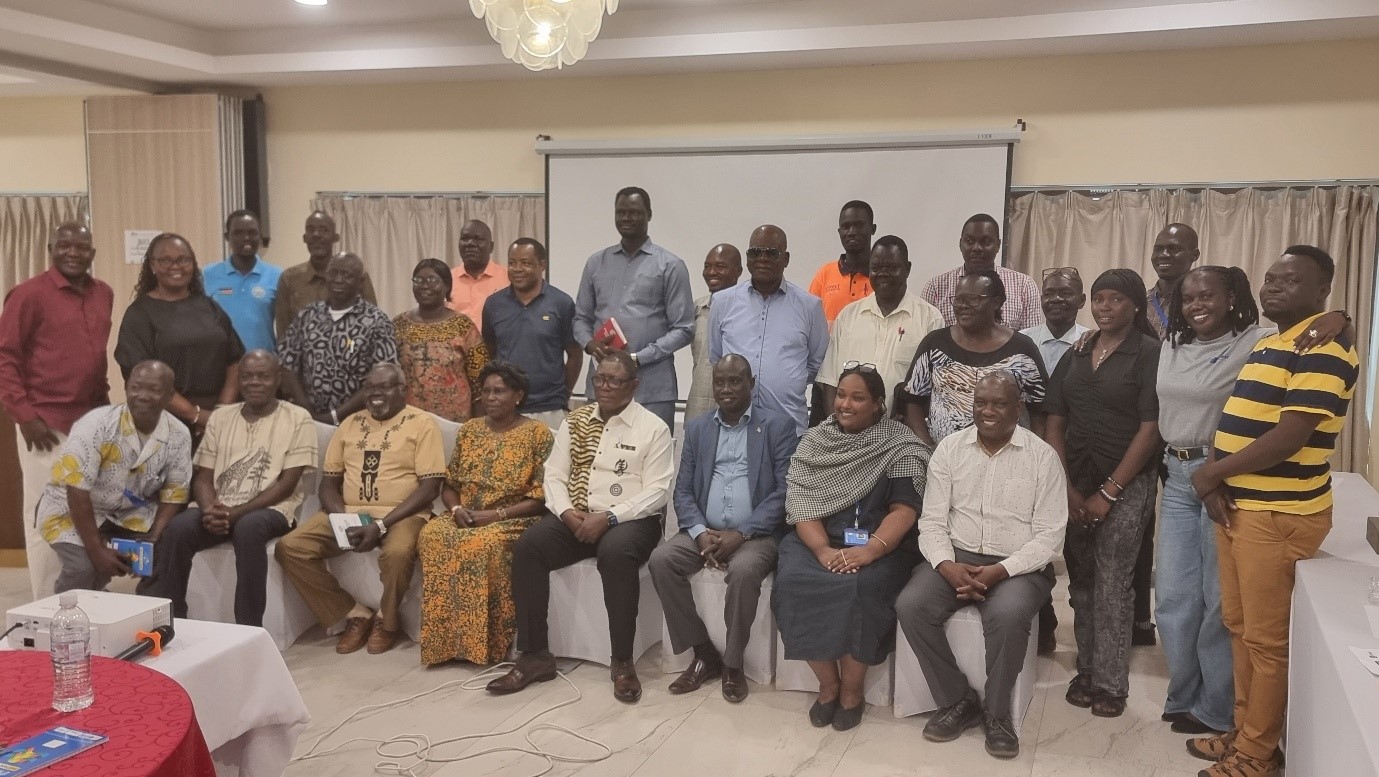
The workshop attracted more than 40 participants representing the University of Juba, Ministry of General Education and Instruction, Ministry of Higher Education, Science and Technology, South Sudan National Bureau of Standards (SSNBS), Ministry of Gender, Child and Social Welfare, Ministry of Youth and Sports, the African Development Bank, and key industry stakeholders.
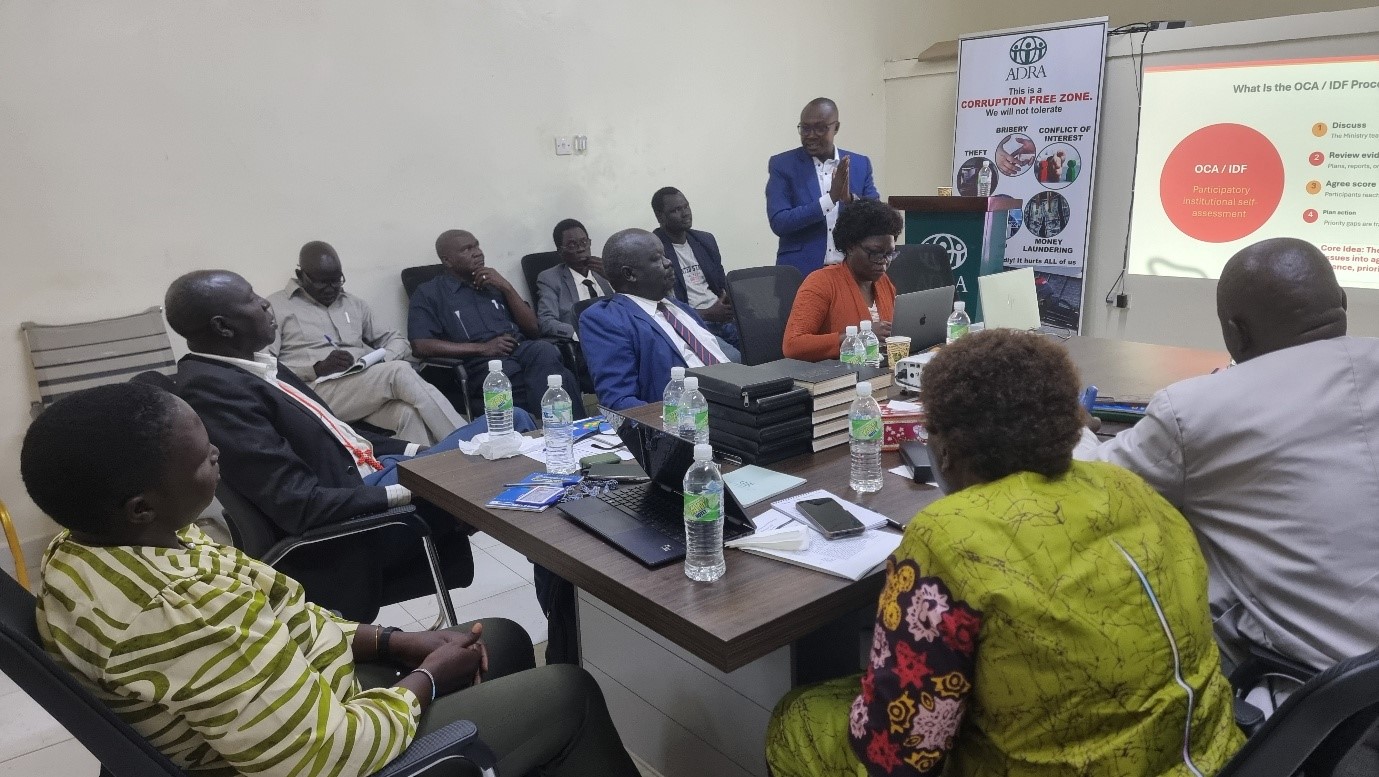
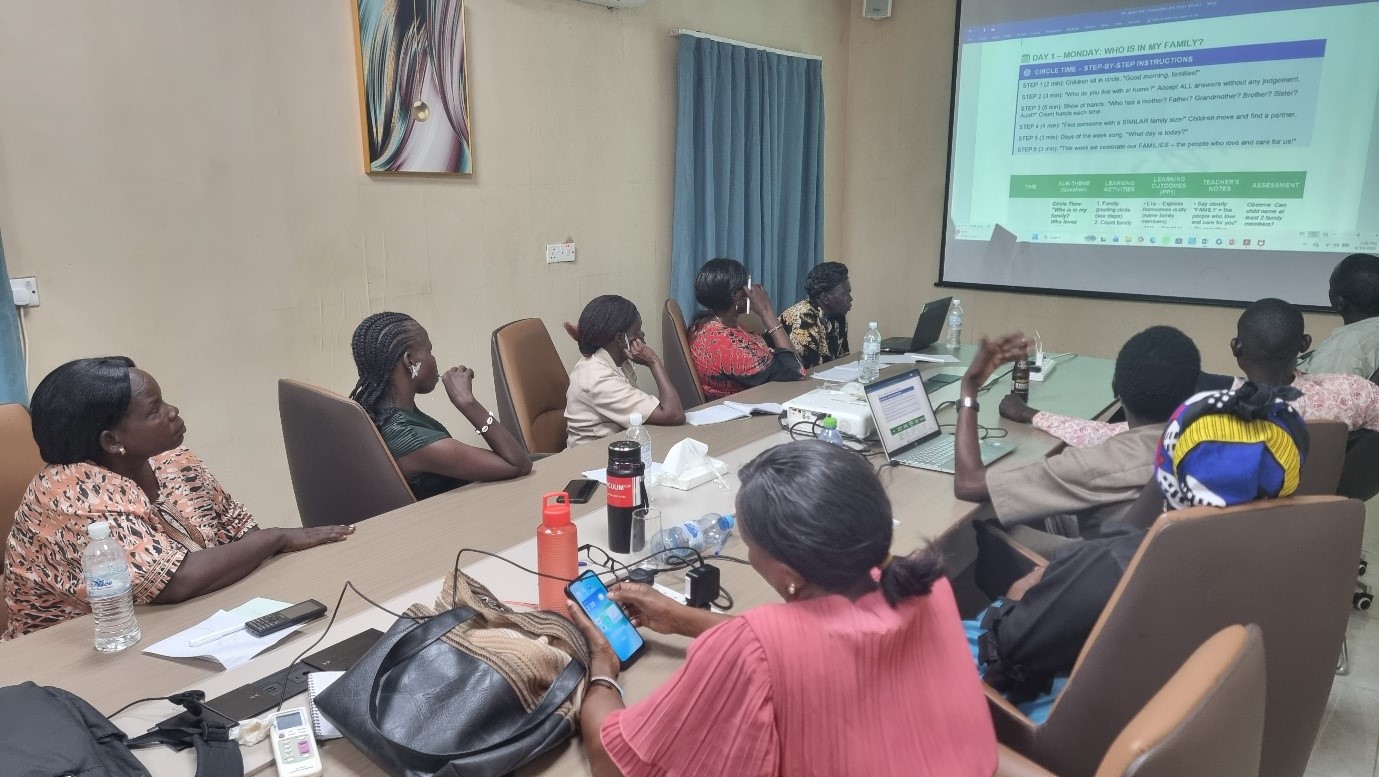
Participants provided technical observations, recommendations, and feedback during plenary discussions to ensure the curricula meet national standards and respond effectively to the evolving needs of the food and agricultural sectors.
The validated curricula are expected to strengthen the quality and relevance of TVET programmes in South Sudan, contributing to a skilled workforce capable of driving agricultural transformation, enhancing food safety standards, supporting value chain development, and advancing the country's broader goals for economic growth and sustainable development.
Comment
Leave a comment