-
 Ministries, Juba, South Sudan
-
 info@mogei.gov.ss
Opening Hours: Monday to Friday - 8:00AM to 5:00PM
Ministries, Juba, South Sudan
info@mogei.gov.ss


Opening Hours: Monday to Friday - 8:00AM to 5:00PM
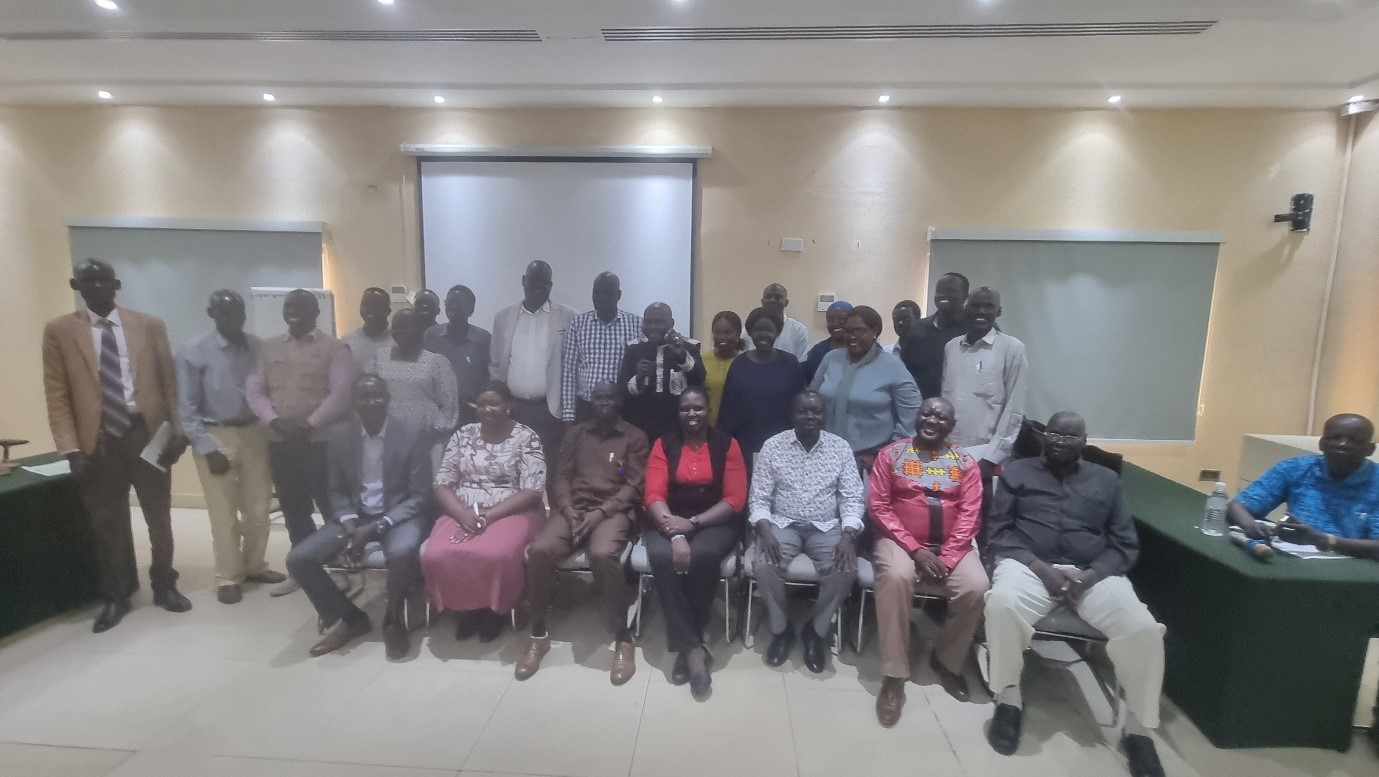
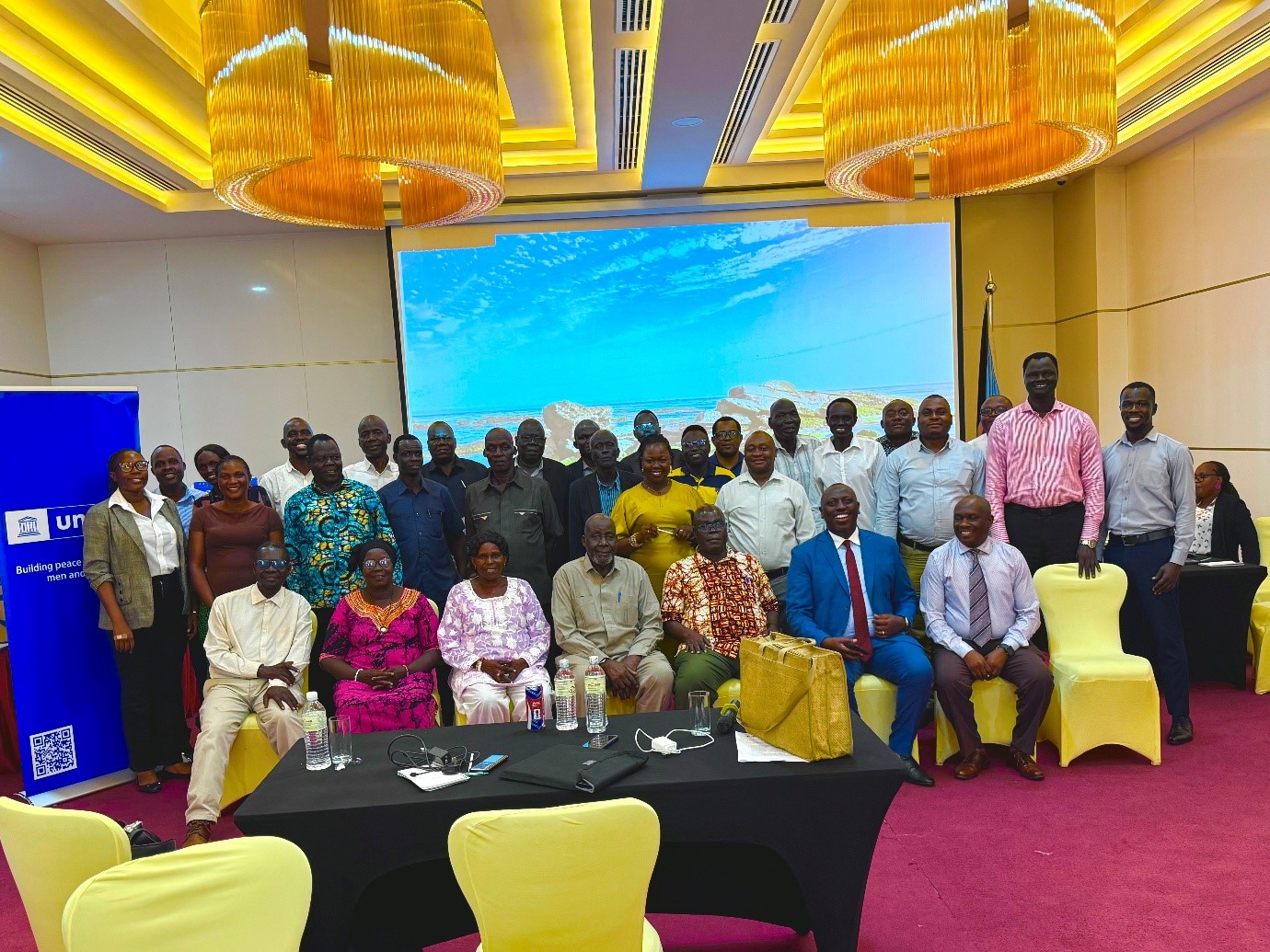
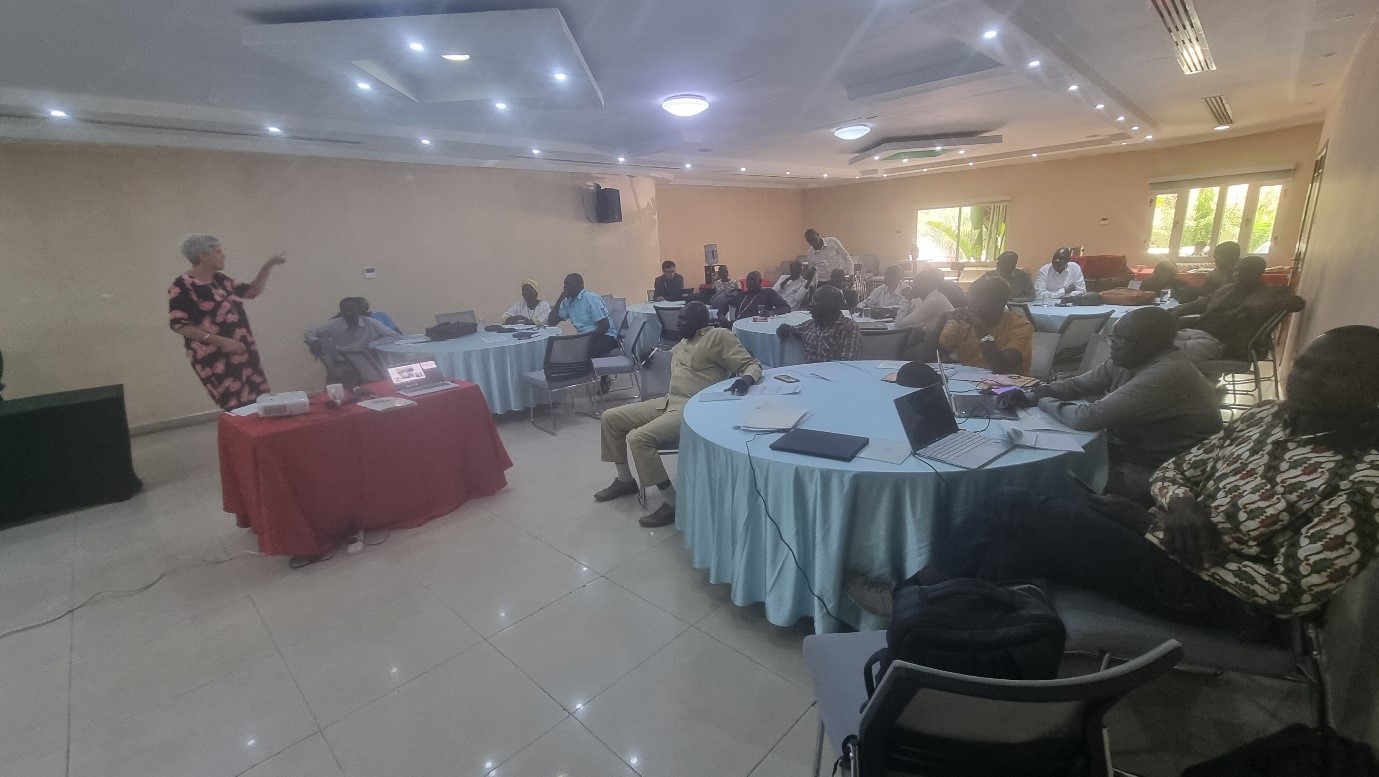
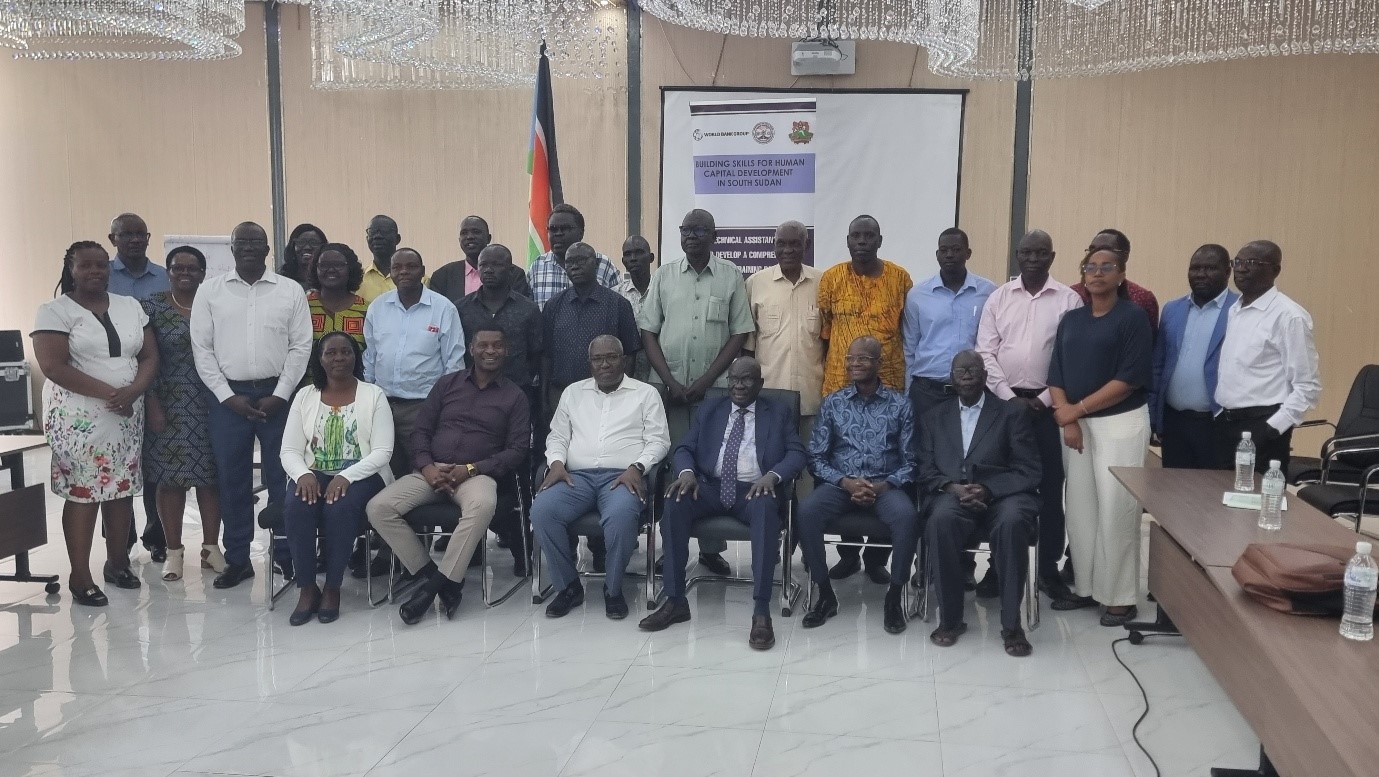
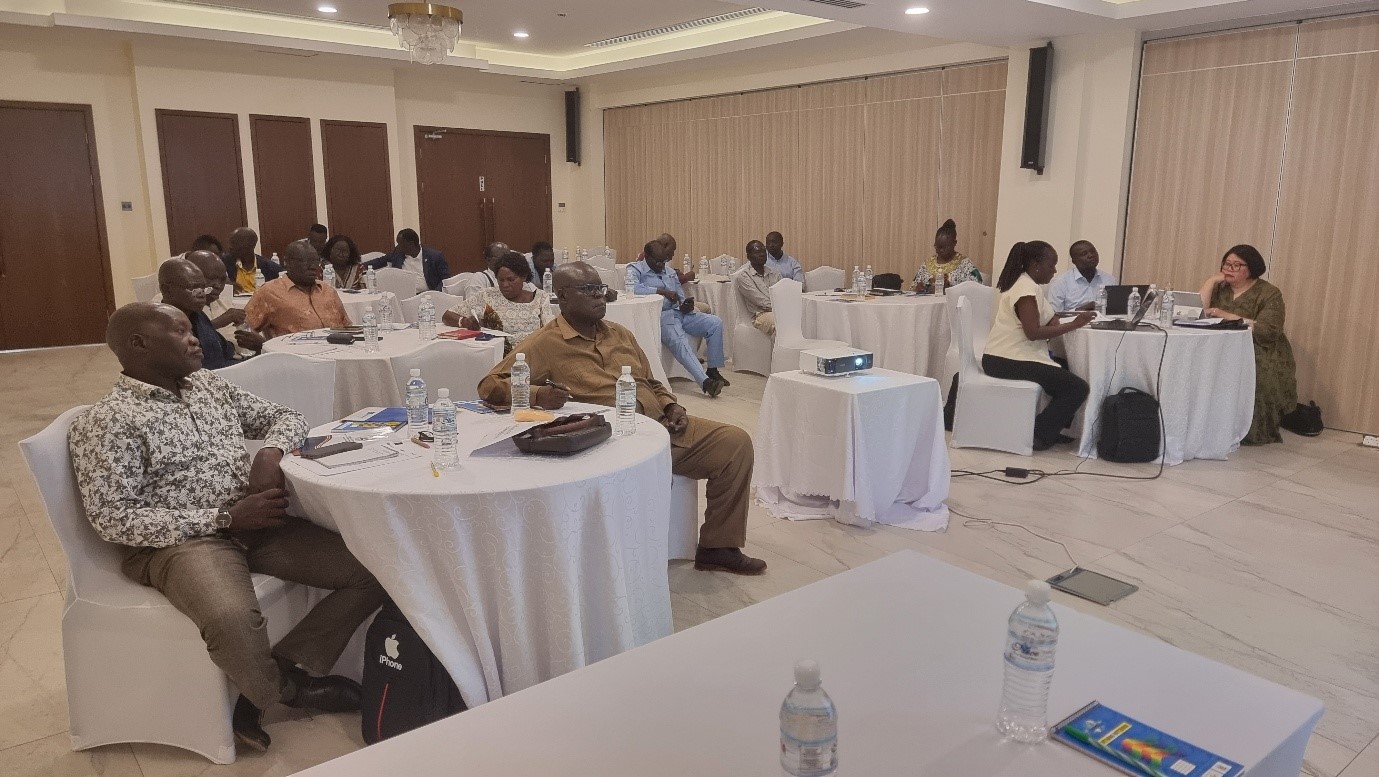
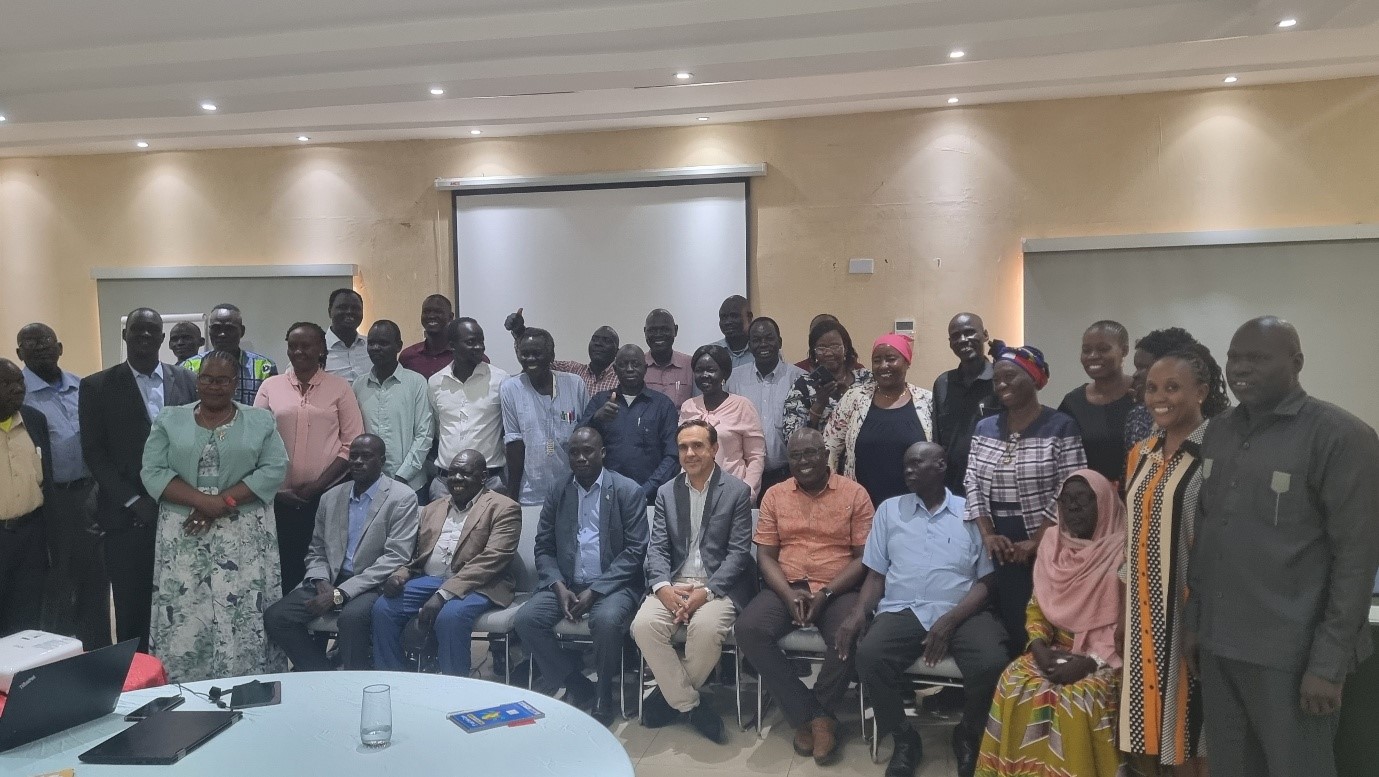
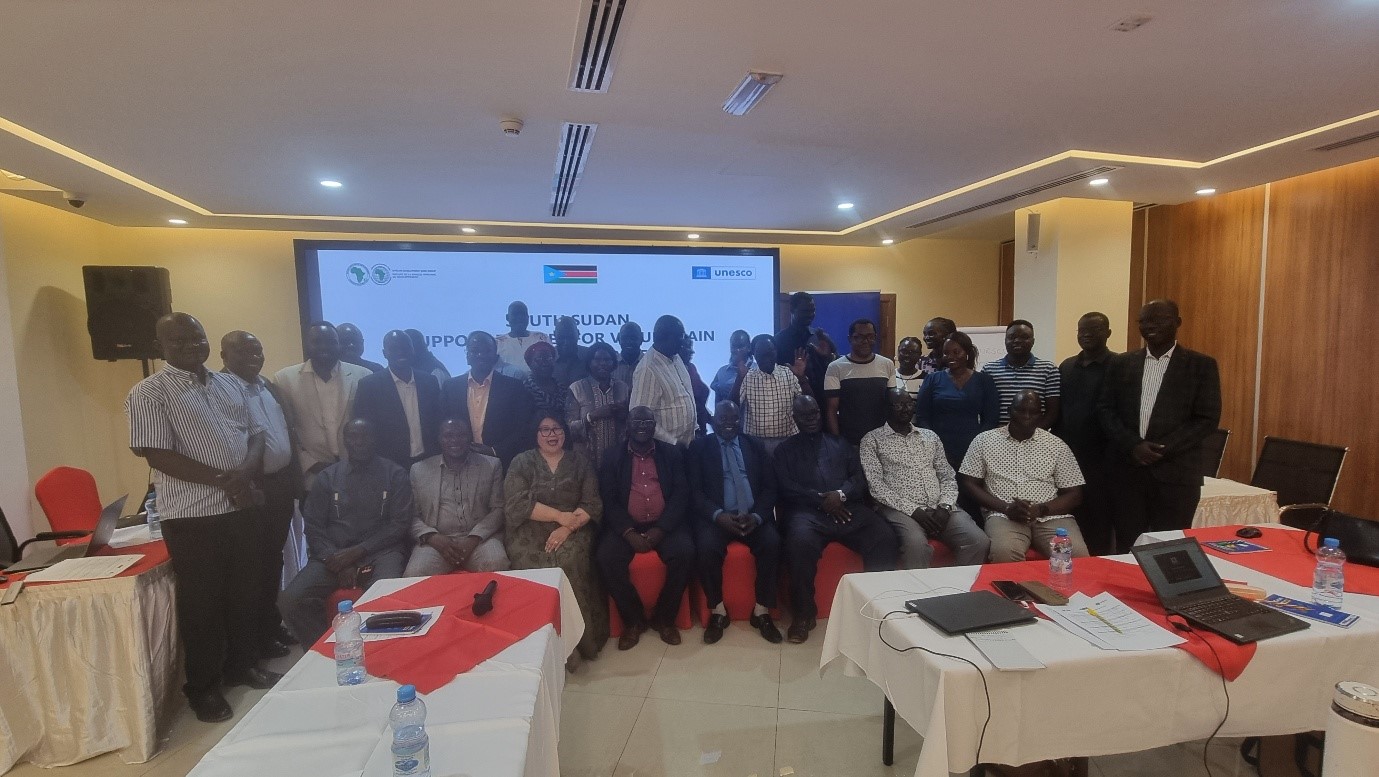
Juba, 26 August 2026 – The Ministry of General Education and Instruction (MOGEI) convened a one-day validation workshop for the 2025 Education Census Report at Regency Hotel in Juba, bringing together key education stakeholders to review and verify data that will inform planning and policy decisions for 2026 and beyond.
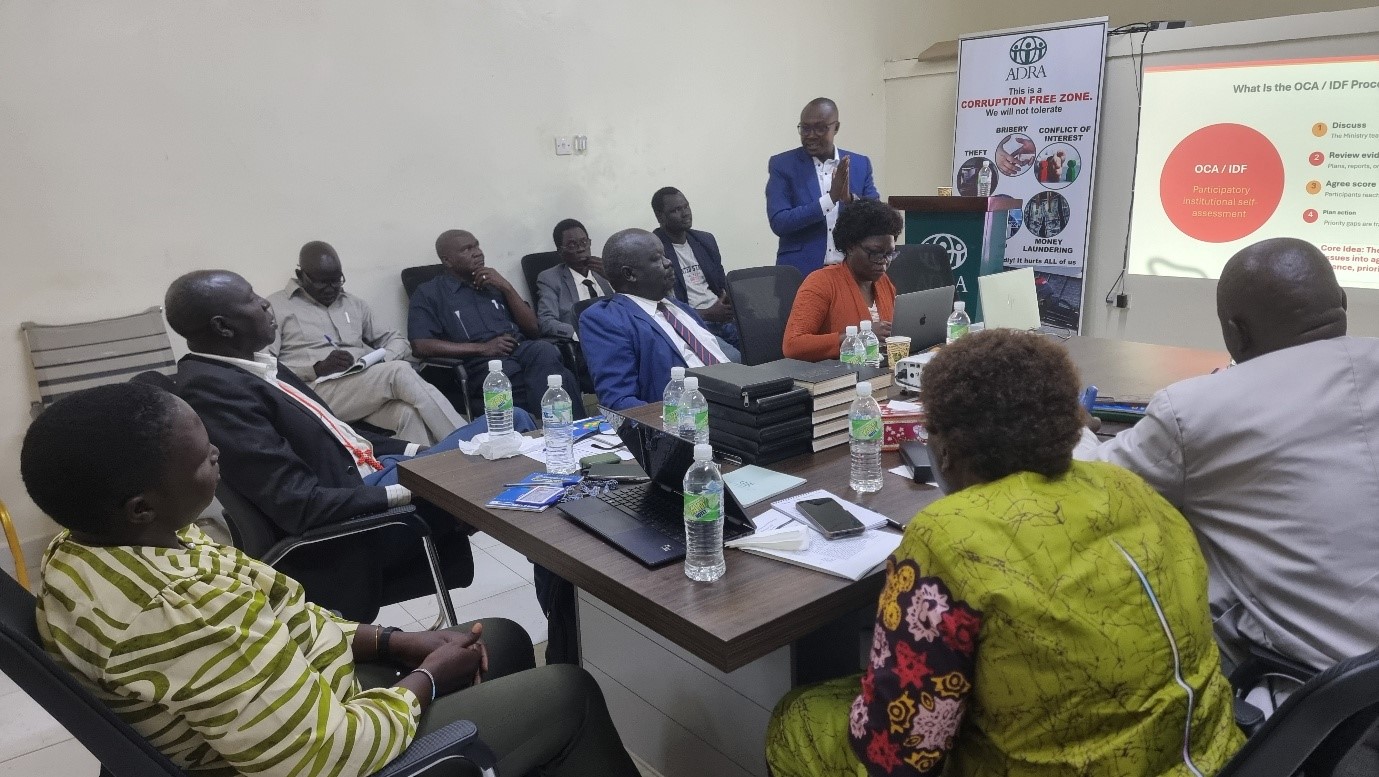
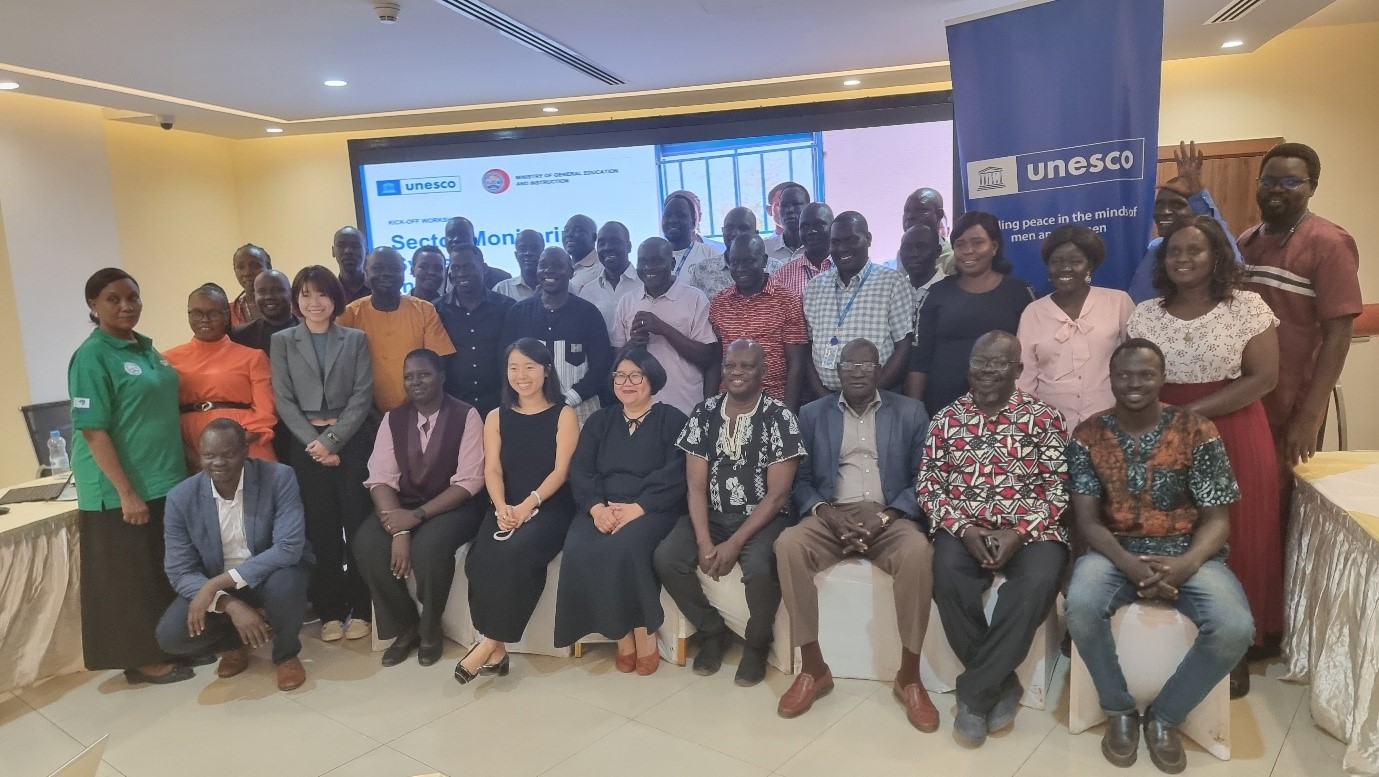
The workshop gathered Directors General and Directors from MOGEI, representatives from State Ministries of Education, Members of Parliament, and education development partners. Participants reviewed the draft report, verified key information on schools, teachers, and learners, and provided technical inputs to ensure the accuracy and reliability of the data before its final publication.
Speaking during the workshop, the Acting Undersecretary of MOGEI, Simon Nyok, emphasized the importance of the education census in strengthening decision-making across the sector.
“The education census is critical for evidence-based planning, resource allocation, and monitoring progress in the education sector. The validated data from the 2025 census will guide decision-making in 2026 and support the implementation of the General Education Strategic Plan,” he said.
The Director for Research and Policy Development in the Directorate of Planning and Budgeting, Dut Chol, highlighted the role of quality data in improving education outcomes across the country.
“Accurate and timely education data is the backbone of planning. The 2025 Education Census will help us identify gaps, allocate resources fairly, and ensure that no child is left behind,” he noted.
Representing the National Legislative Assembly, Hon. Odhong Ngor stressed the need to prioritize education through adequate financing.
“As representatives of the people, we are committed to advocating for education and ensuring that adequate resources are allocated to the sector,” he said.
The Secretary General of the South Sudan National Commission for UNESCO, Hon. Deborah Awut, underscored the significance of reliable data in shaping educational programmes and interventions.
“Without data, we cannot effectively plan education programmes. This report provides the evidence needed to ensure that education initiatives are properly designed and implemented,” she said.
At the end of the workshop, participants validated the report and agreed on key recommendations for its finalization and dissemination. The validated report will serve as a vital tool for policymakers, education managers, and development partners, supporting efforts to improve access to quality education and strengthen the education system across South Sudan.
Comment
Leave a comment