-
 Ministries, Juba, South Sudan
-
 info@mogei.gov.ss
Opening Hours: Monday to Friday - 8:00AM to 5:00PM
Ministries, Juba, South Sudan
info@mogei.gov.ss


Opening Hours: Monday to Friday - 8:00AM to 5:00PM
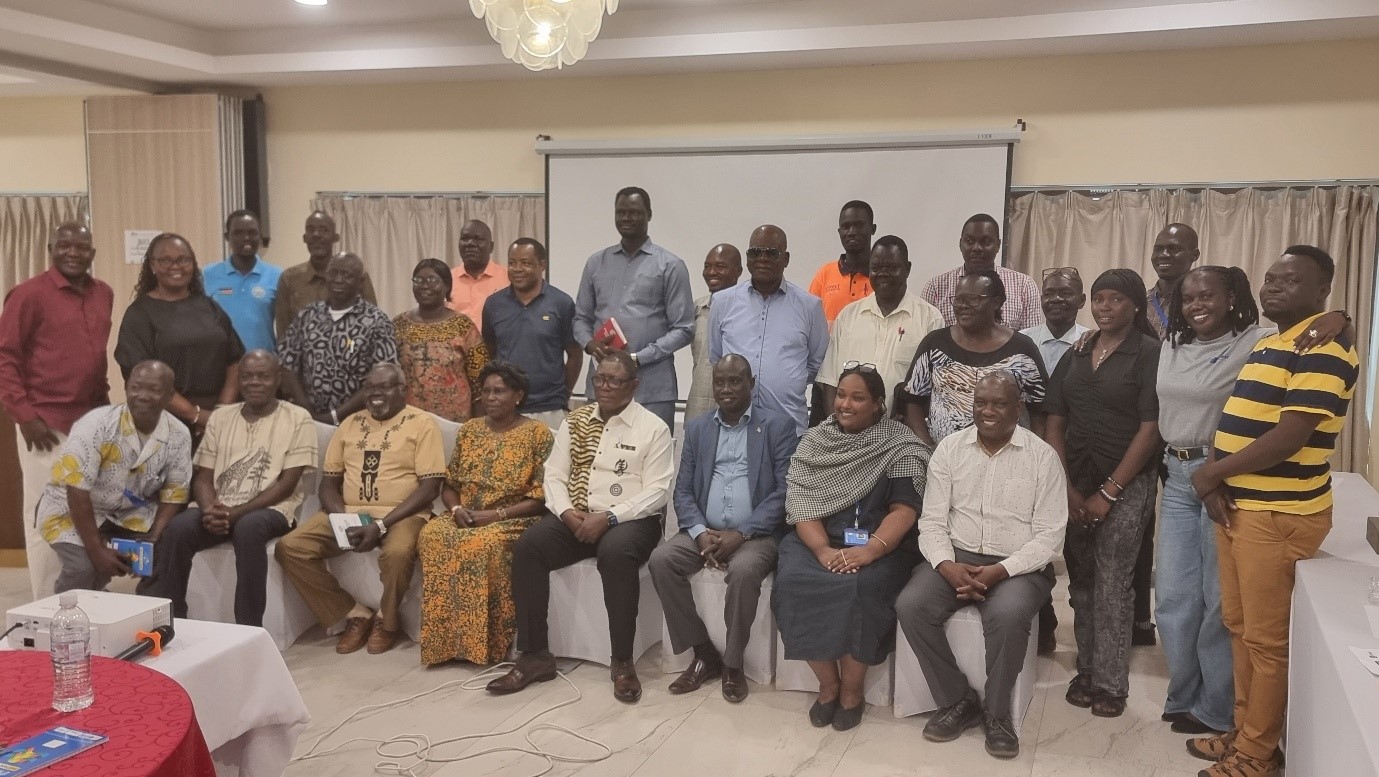
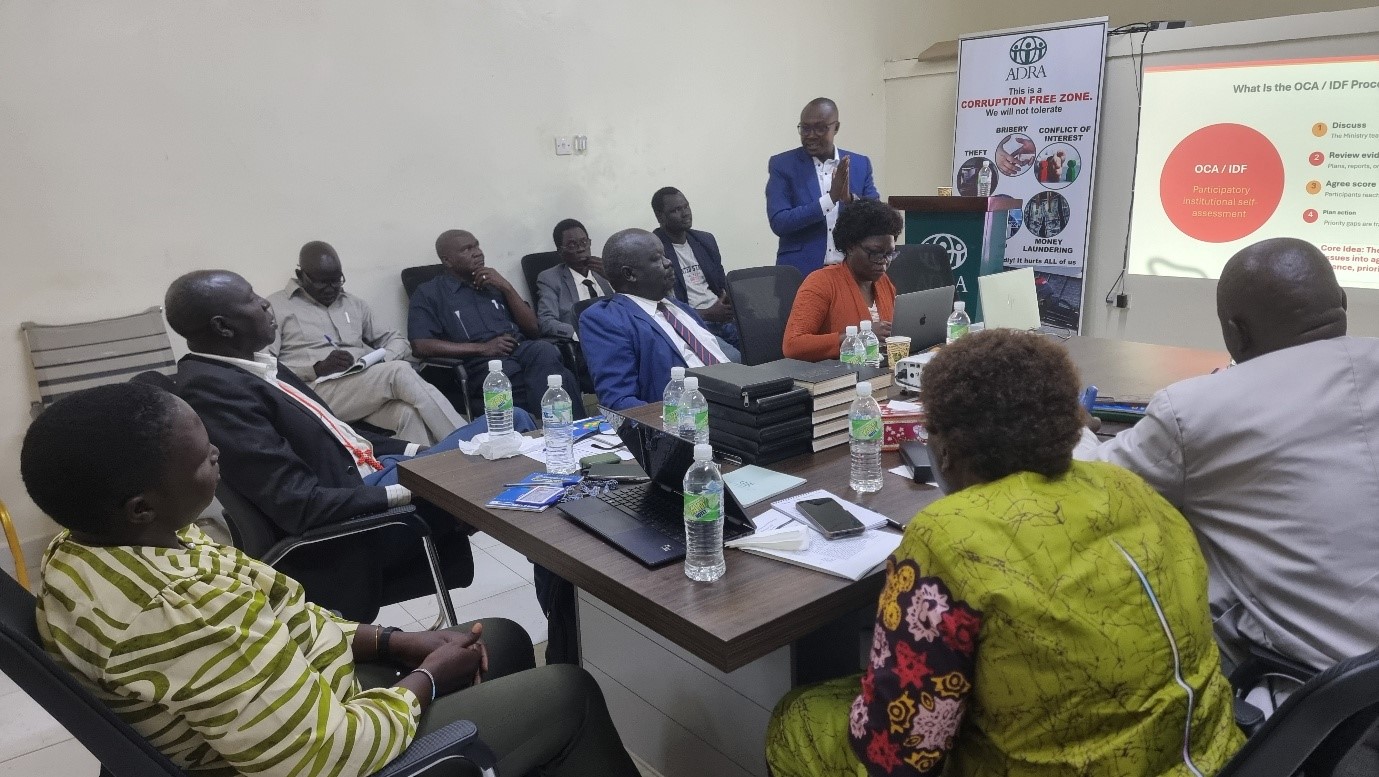
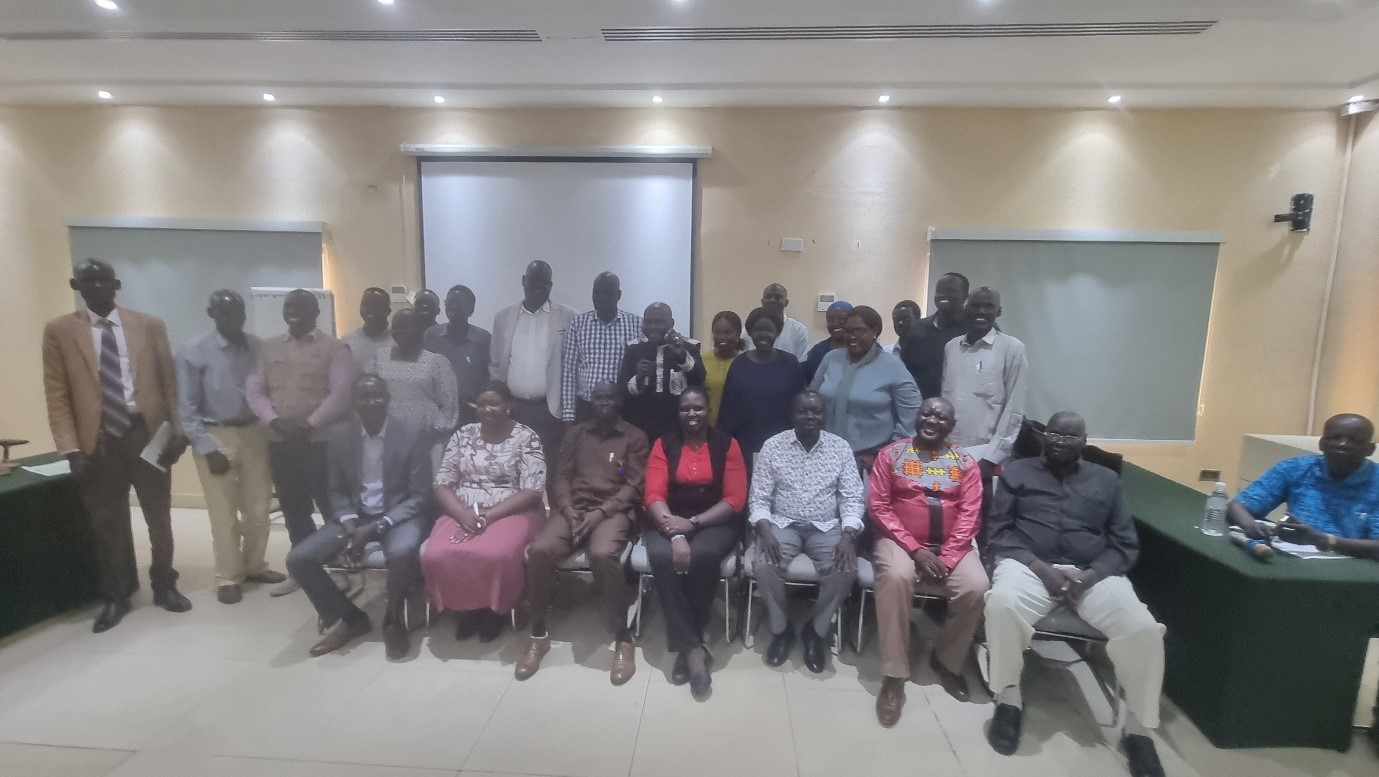
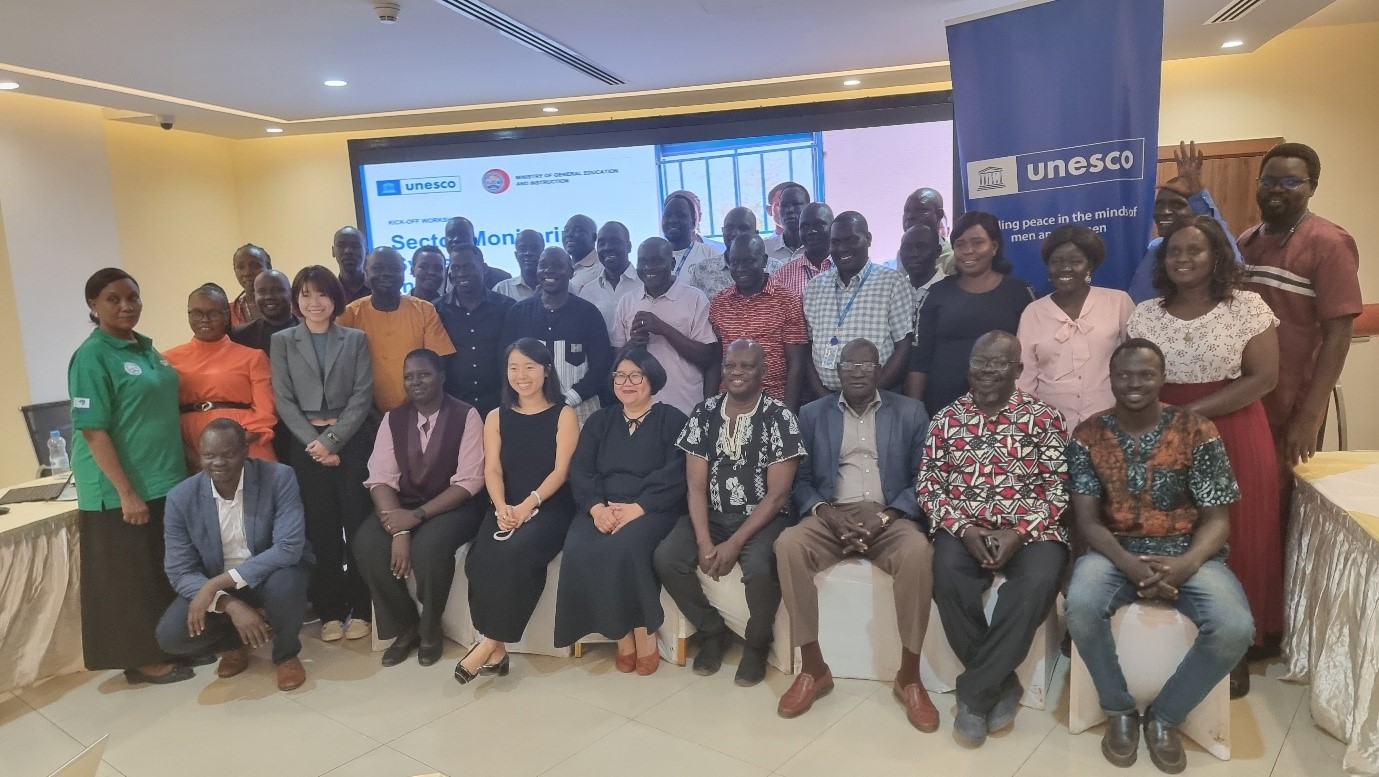
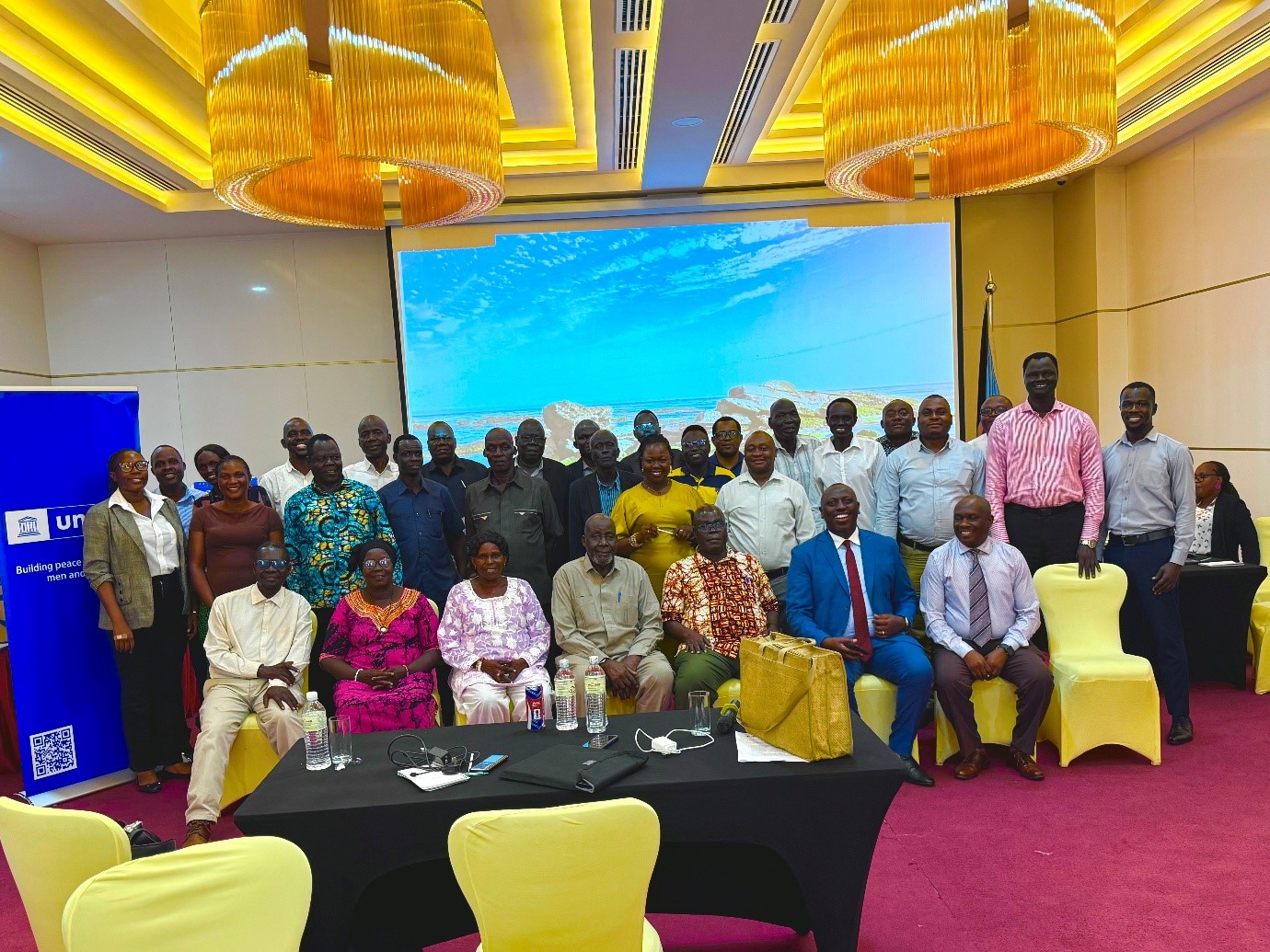
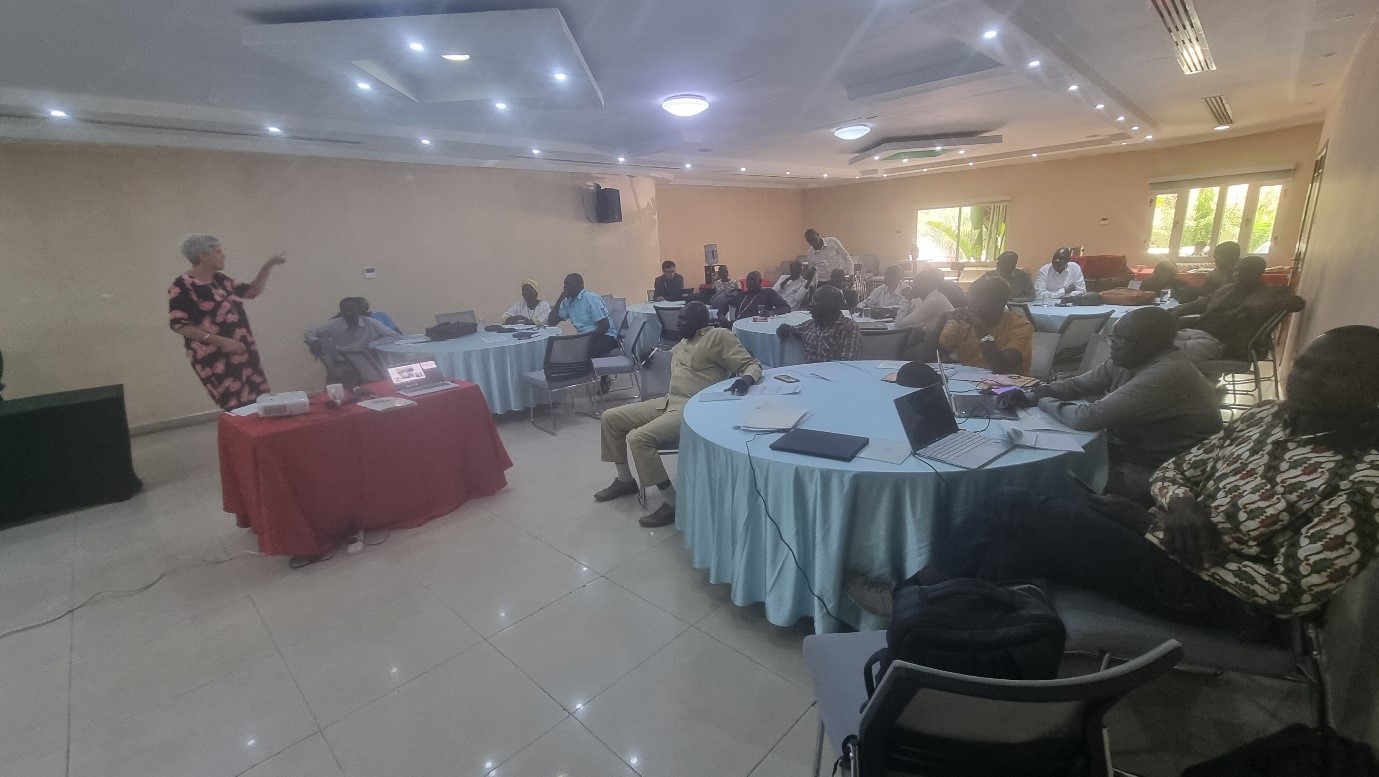
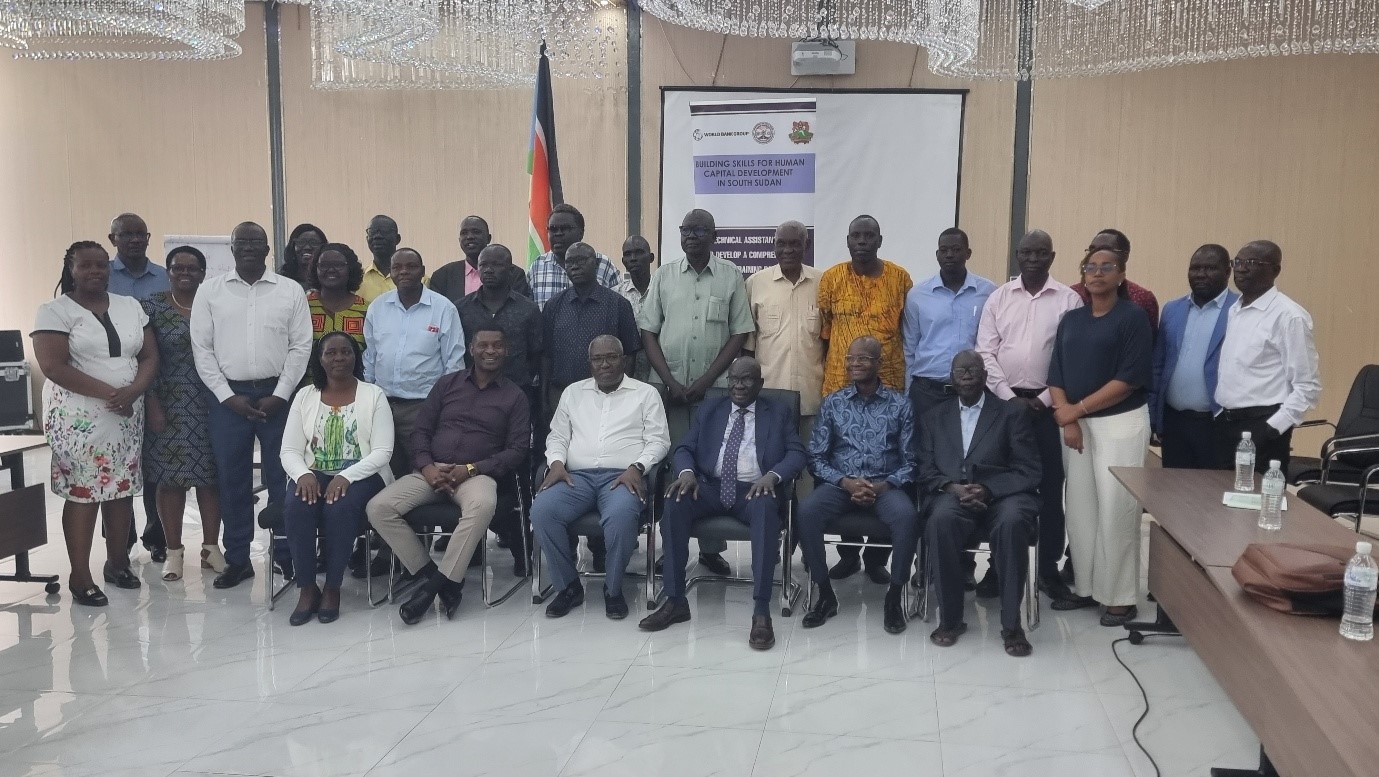
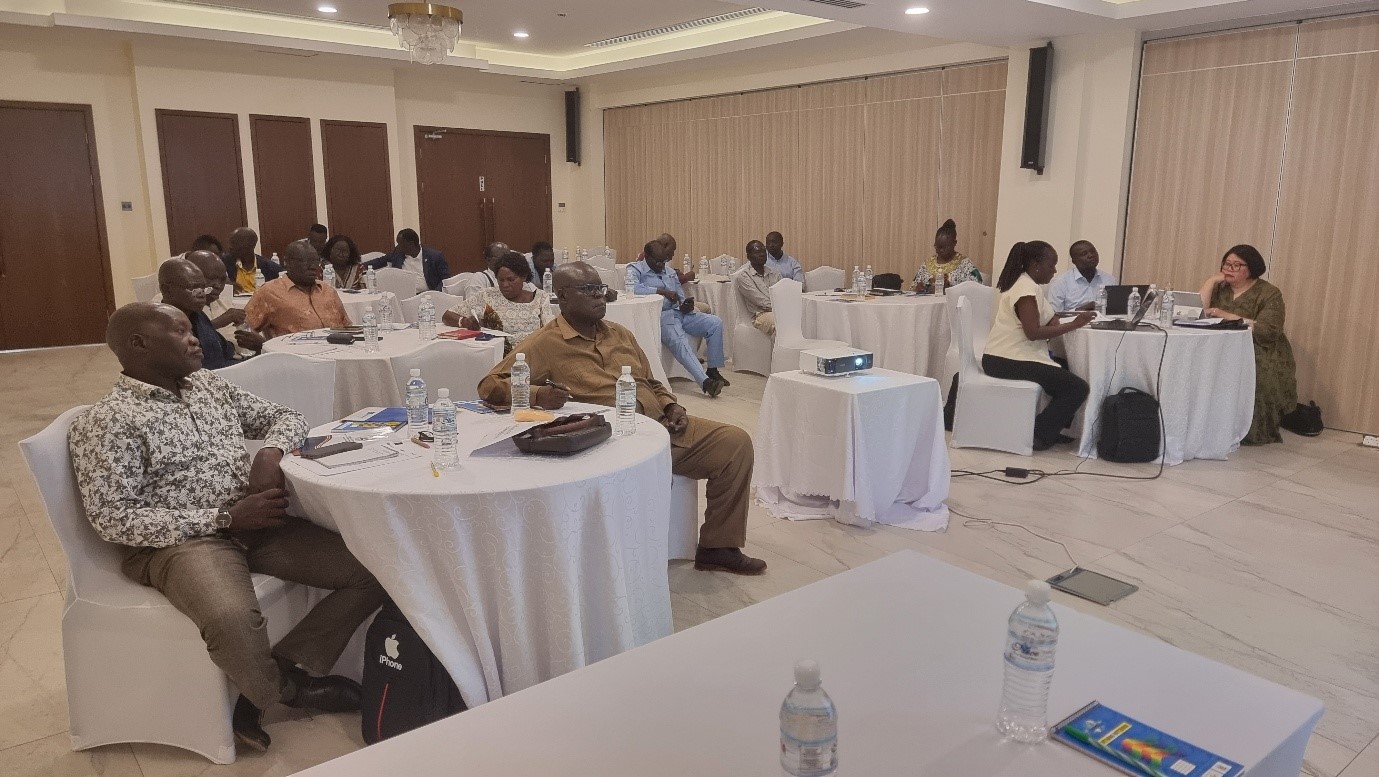
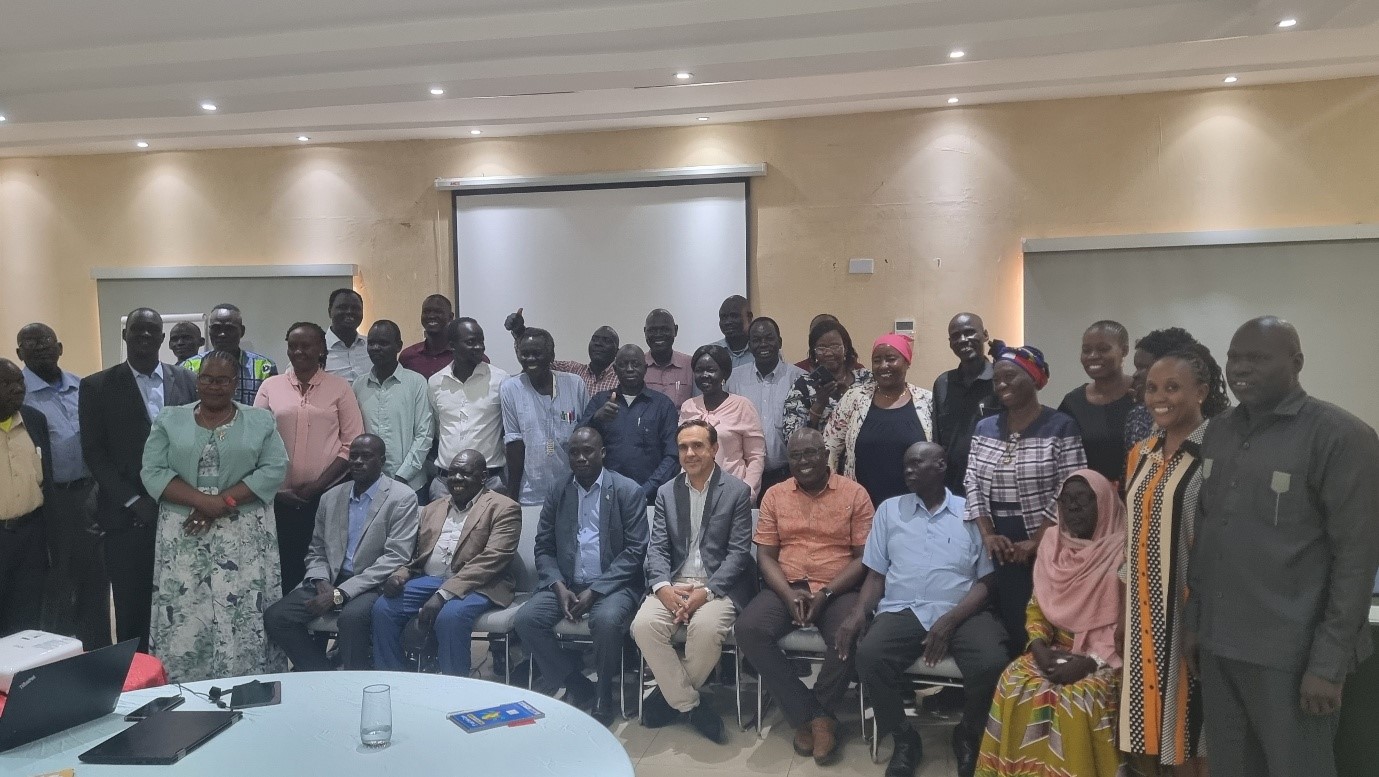
Juba, 18 September 2026, Gelila Hotel – The Directorate of Technical and Vocational Education and Training (TVET) under the Ministry of General Education and Instruction (MoGEI), in collaboration with UNESCO and the Ministry of Labour, convened a stakeholder validation workshop to review findings from Mission 1 consultations on the development of a Competency-Based Technical and Vocational Education and Training (CB-TVET) curriculum.
The one-day workshop, funded by the African Development Bank (AfDB), brought together 29 participants, including TVET experts, industry representatives, development partners, instructors, and government officials. The meeting aimed to review and validate findings from nationwide stakeholder consultations conducted as part of Mission 1 of the curriculum reform process.
Mission 1 focused on identifying gaps in the current TVET curriculum, assessing industry skills needs, and gathering stakeholder priorities to inform the development of a competency-based curriculum that is responsive to South Sudan's labour market demands.
Speaking during the workshop, the Acting Undersecretary and Director General for TVET, Mr. Simon Nyok, emphasized the importance of the validation process.
"This validation is a critical step. We must ensure that our TVET curriculum produces graduates with practical competencies that meet industry demands and support youth employment."
He further noted that stakeholders had made valuable contributions in identifying gaps, challenges, and areas for improvement in the Mission 1 findings.
"Your active contributions have helped identify missing links, gaps, and additions to Mission 1. It is now up to the consultants to consolidate these inputs and provide a clear roadmap for the next steps."
On her part, UNESCO Head of Education, Ms. Sarah Osman, commended the leadership and ownership demonstrated by MoGEI in driving the reform process.
She noted that the Ministry's stewardship would ensure that the reform remains aligned with South Sudan's national priorities. Ms. Osman also acknowledged the commitment of the lead consultant, Dr. Dan, in supporting efforts to strengthen the country's TVET ecosystem.
She reaffirmed UNESCO's commitment to continue working closely with MoGEI, the Ministry of Labour, and other stakeholders to build a strong TVET system that provides young people with pathways to decent work and sustainable livelihoods.
Meanwhile, a UNESCO Project Officer highlighted the importance of the competency-based approach in improving the quality, employability, and mobility of TVET graduates.
Representatives from the private sector raised concerns about the weak linkages between TVET institutions and industry, noting that limited collaboration continues to affect internship opportunities, workplace exposure, and employment prospects for graduates.
The participants also called for harmonization of TVET curricula and greater clarity on institutional mandates between MoGEI and the Ministry of Labour regarding governance, oversight, certification, and quality assurance.
The Lead Consultant, Dr. Dan, stressed the need for strong political commitment and an enabling legal framework to support the successful implementation of the CB-TVET reform process.
Key Priorities Validated Participants endorsed several strategic priorities, including: Development of a National Competency-Based Curriculum Framework; Integration of digital, green, and entrepreneurship skills into TVET programmes; and aligning TVET training with labour market needs and emerging economic opportunities. Other priorities endorsed included establishment of a competency-based assessment and certification system, strengthening linkages between TVET institutions and industry, promoting inclusion of women, persons with disabilities, and vulnerable youth.
Next Steps The reform process will proceed to Mission 2, which will focus on occupational mapping and gap analysis. This phase will involve collaboration with occupational experts to generate curriculum content and develop a draft Competency-Based TVET Curriculum Framework.
The draft framework will subsequently be submitted to MoGEI leadership and stakeholders for validation before the commencement of full curriculum development.
MoGEI expresses its appreciation to UNESCO, the Ministry of Labour, and the African Development Bank for their continued support towards strengthening TVET and advancing skills development in South Sudan.

Comment
Leave a comment