-
 Ministries, Juba, South Sudan
-
 info@mogei.gov.ss
Opening Hours: Monday to Friday - 8:00AM to 5:00PM
Ministries, Juba, South Sudan
info@mogei.gov.ss


Opening Hours: Monday to Friday - 8:00AM to 5:00PM
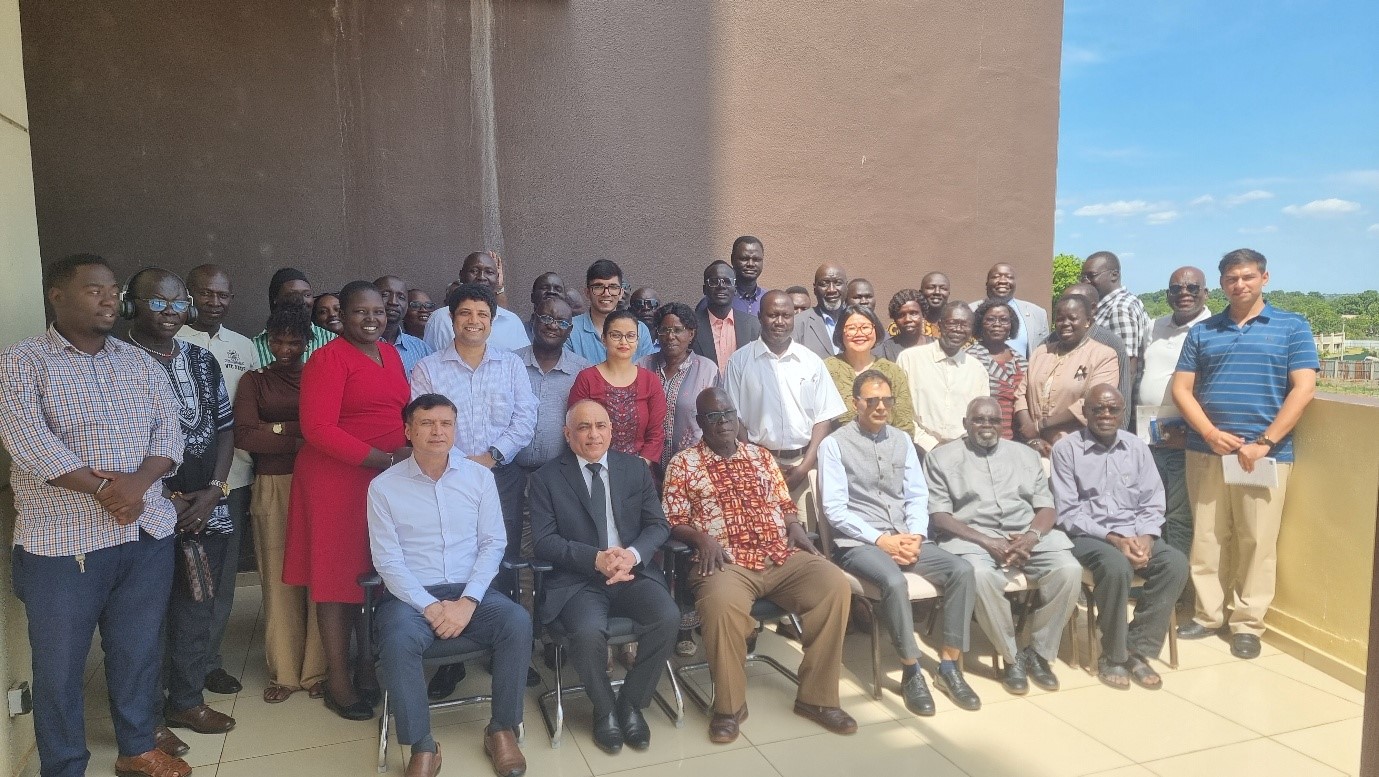
Juba, South Sudan – South Sudan will begin establishing Sector Skills Bodies in the agriculture and construction sectors as part of efforts to strengthen technical and vocational skills development and better align workforce training with labour market needs.
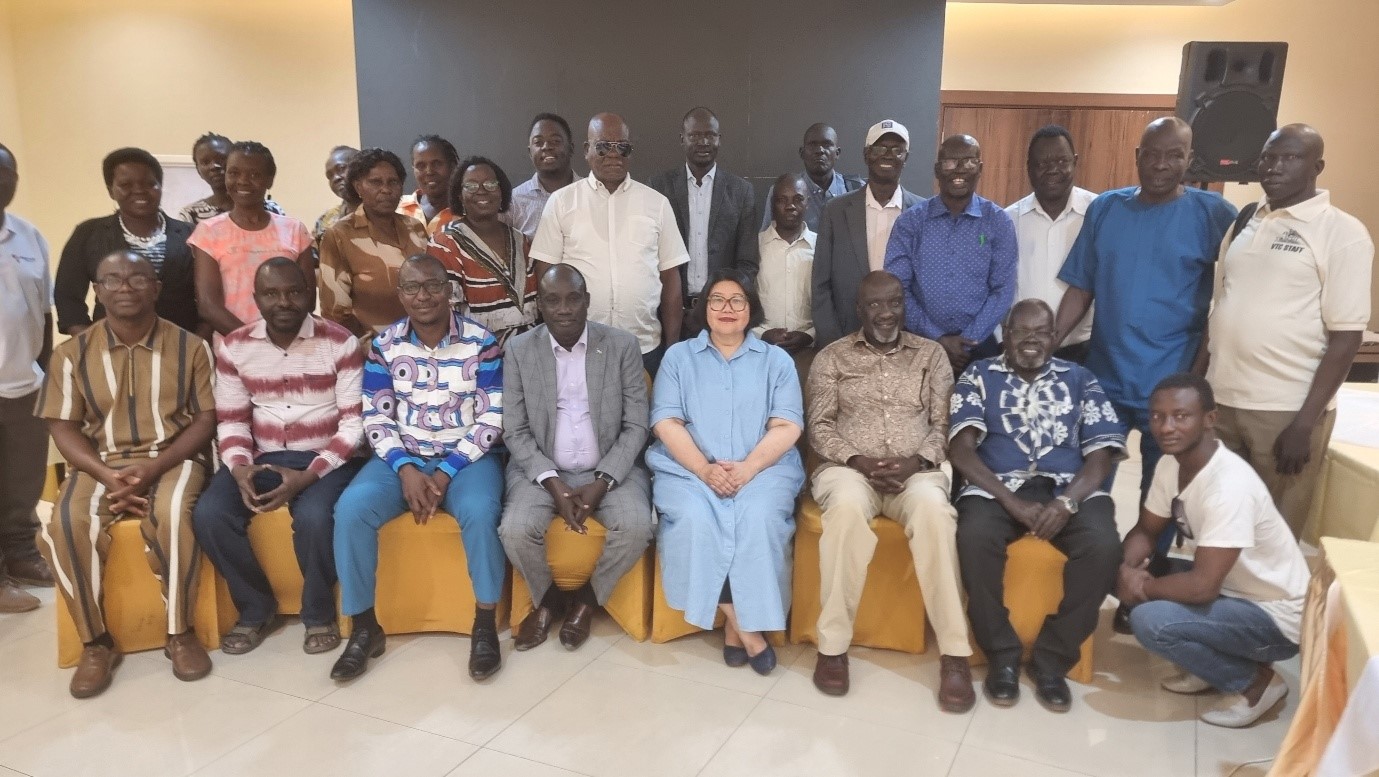
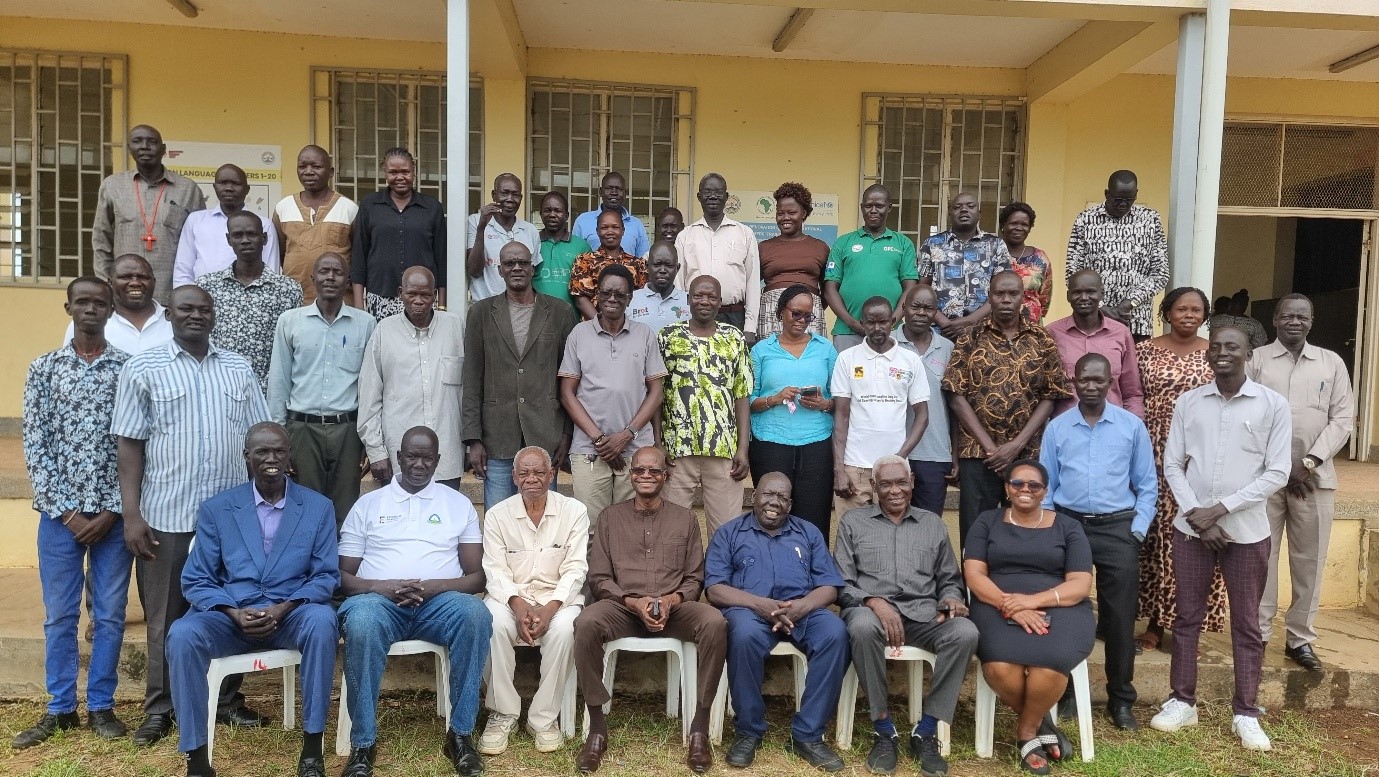
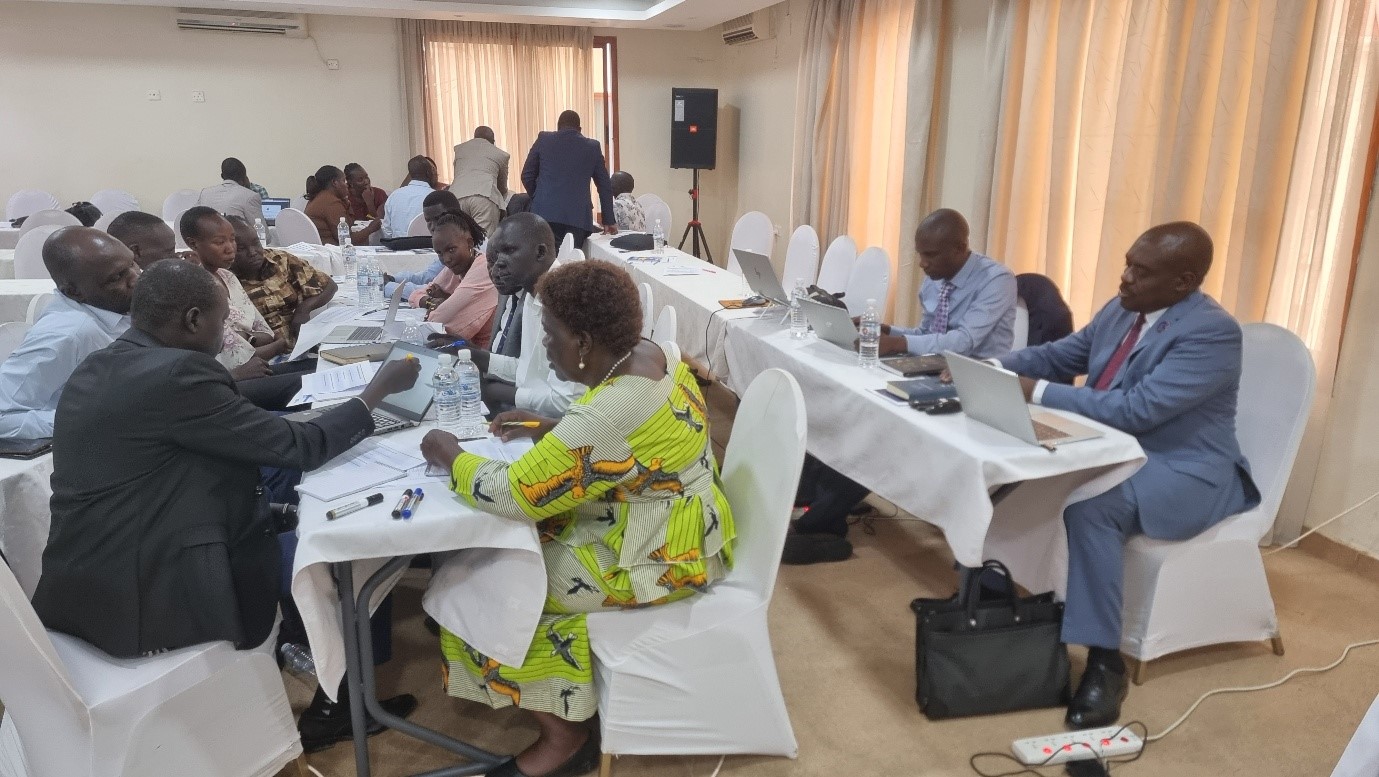
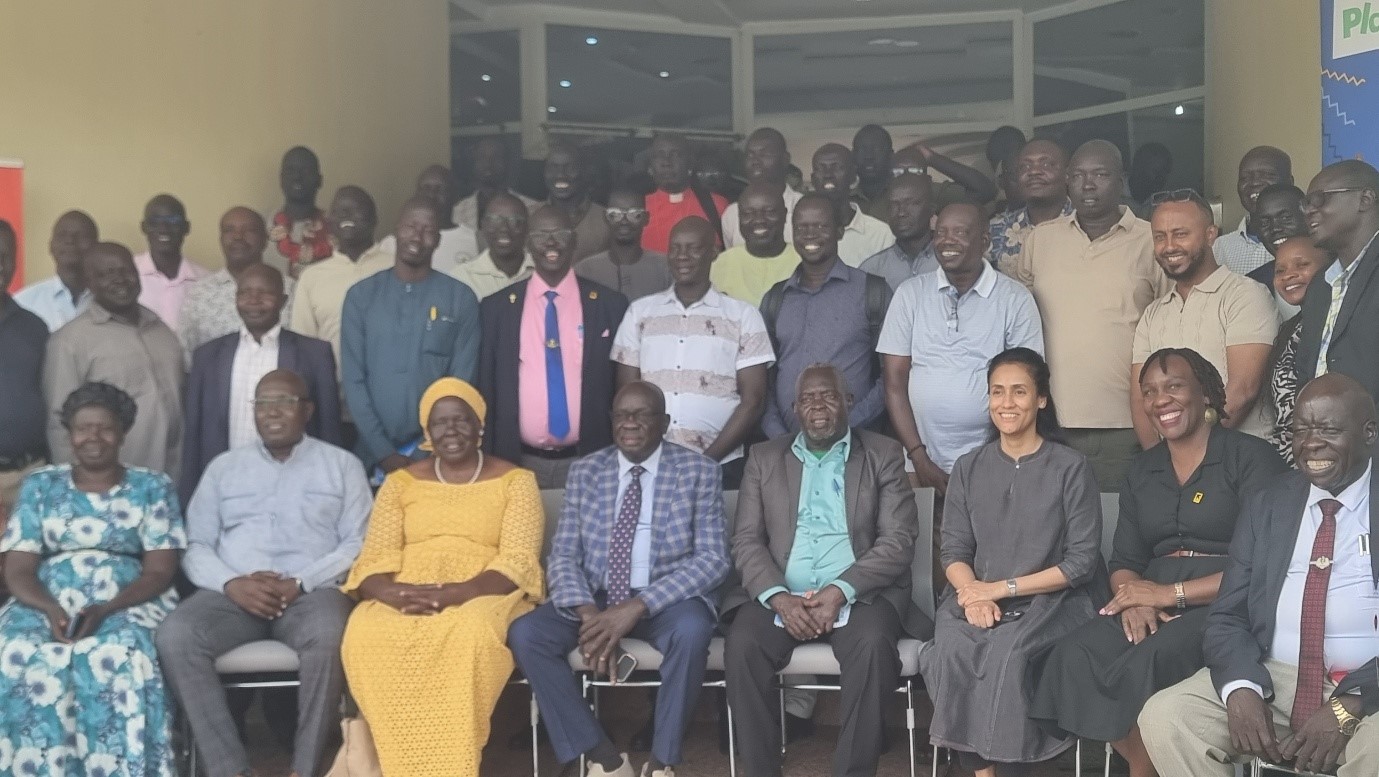
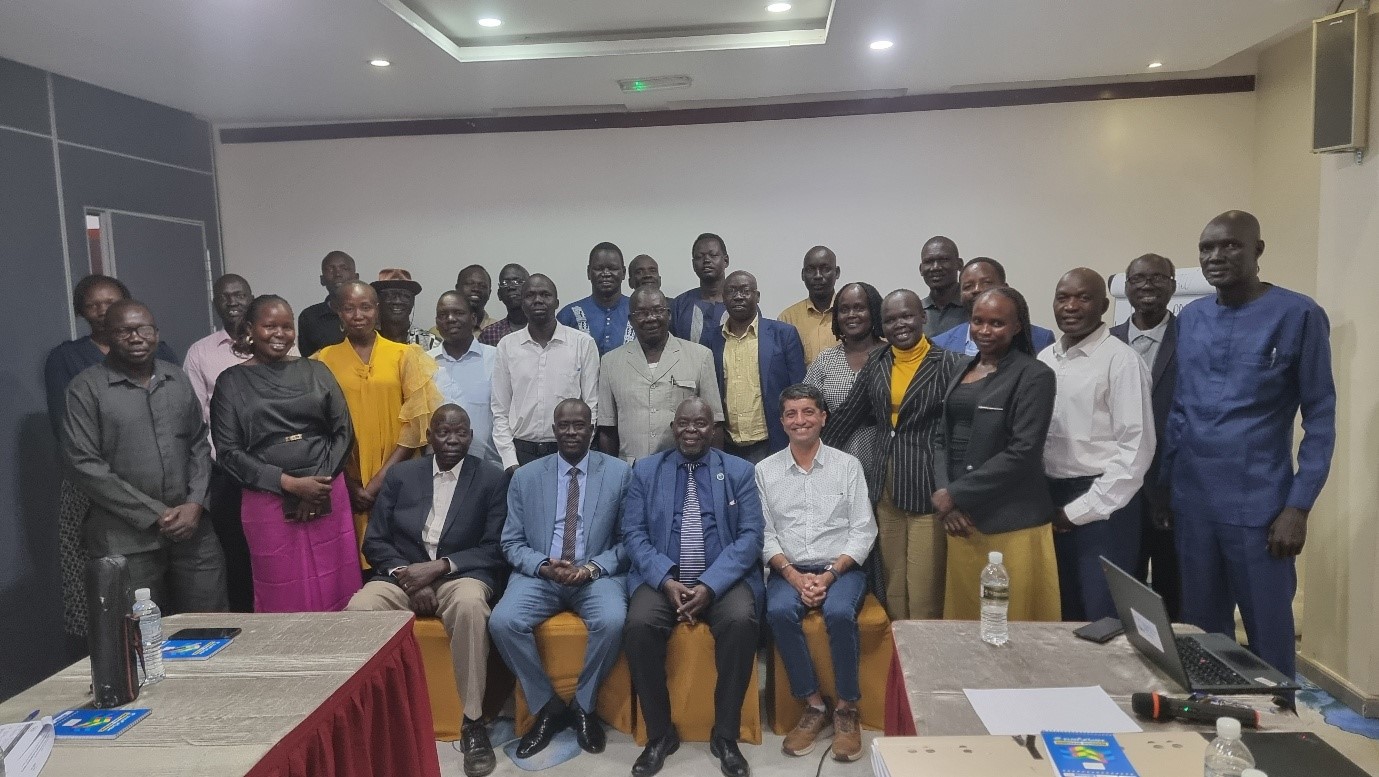
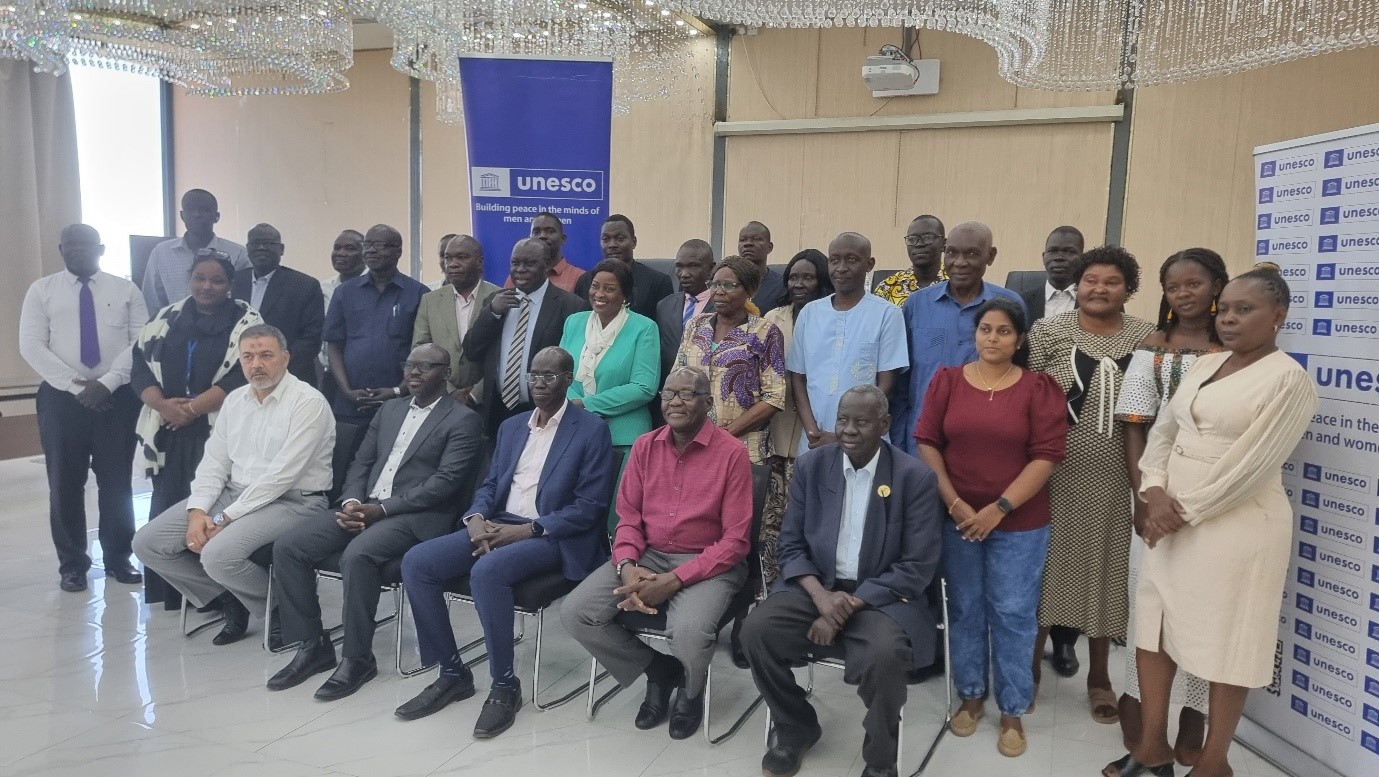
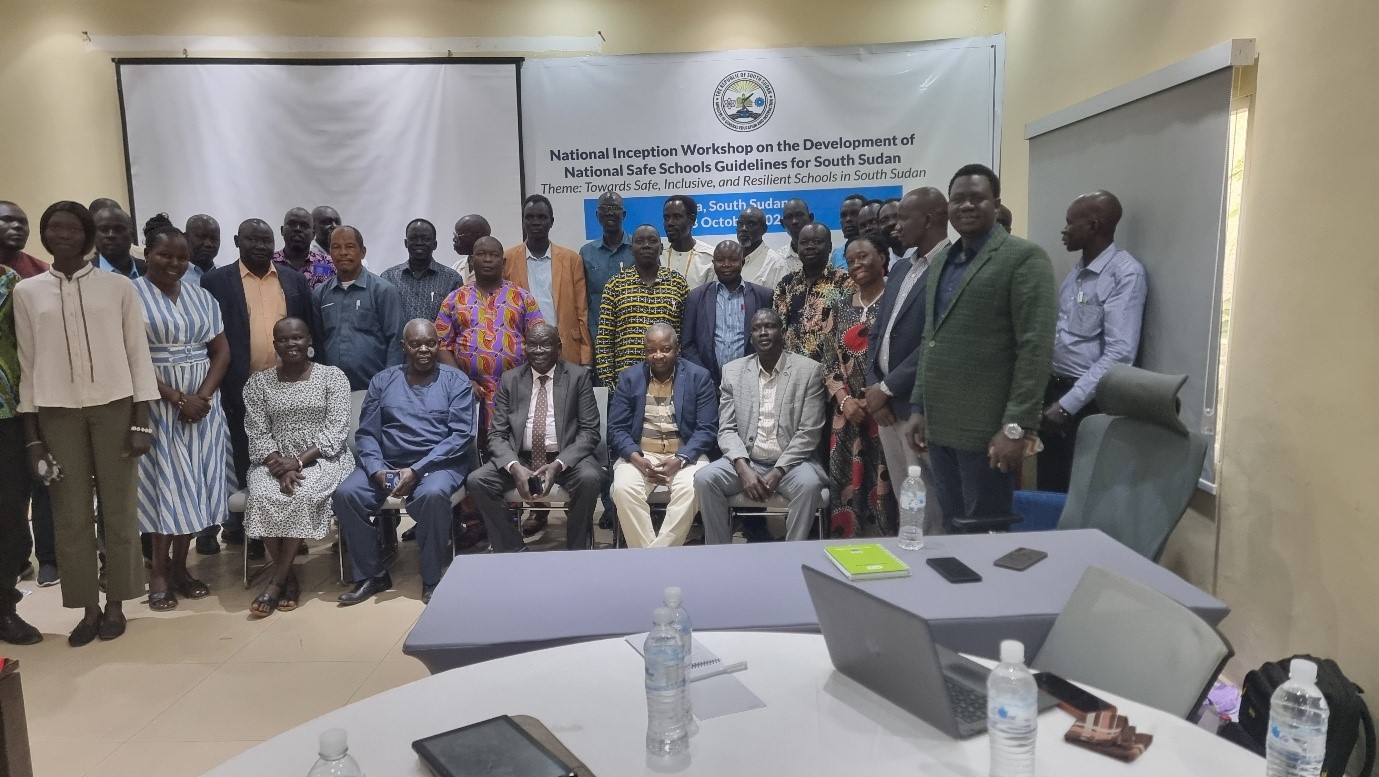
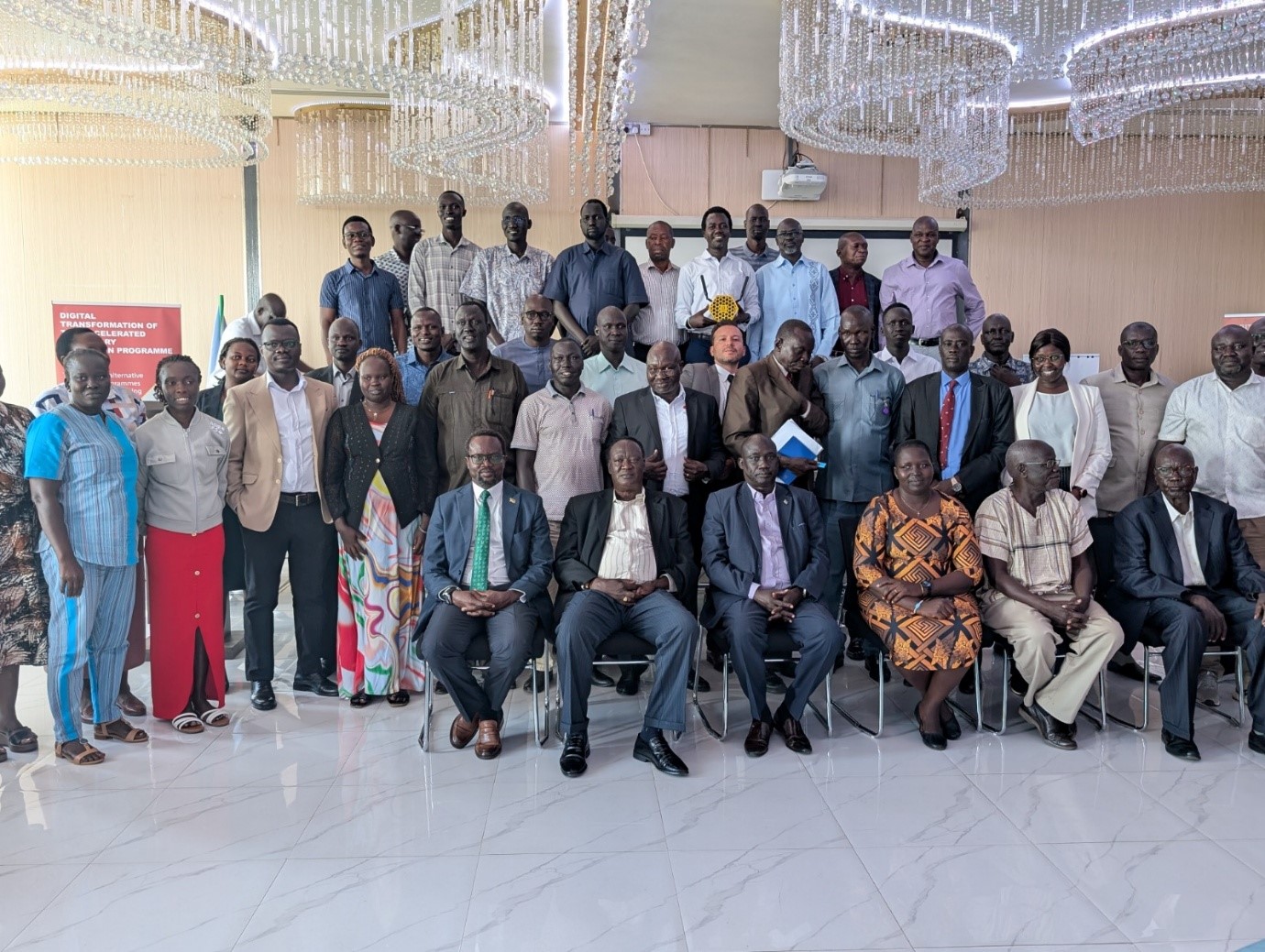
The announcement was made during the South Sudan-India Joint Workshop on Skills Development hosted by the South Sudan National Commission for UNESCO in Juba. The workshop brought together government officials, private sector representatives, development partners and an eight-member delegation from India led by the Ambassador of India to South Sudan.
The workshop follows an exchange visit to India conducted last year and forms part of a growing partnership between South Sudan, India and UNESCO aimed at strengthening Technical and Vocational Education and Training (TVET), improving youth employability and promoting institutional accountability.
Participants noted that agriculture and construction were selected as the first priority sectors for the establishment of Sector Skills Bodies, with plans to gradually expand the initiative to other sectors.
One participant highlighted the importance of the programme in addressing an existing information gap on industries and employers in South Sudan, noting that collaboration with India is expected to support the development of a more comprehensive understanding of skills demand across sectors.
Speaking during the workshop, the Secretary General of the South Sudan National Commission for UNESCO, described the engagement as one of the most practical and impactful workshops the institution has organised.
"This workshop has been different from many others because it focuses on practical solutions rather than producing reports. It has been an eye-opening experience and has helped us think more critically about the actions required to strengthen skills development in our country," she said.
She added that the partnership provides an opportunity for South Sudan to learn from India's experience in skills development and workforce training.
"Today we have a team from India sharing their experiences and discussing the way forward for our country. This demonstrates the strong cooperation between South Sudan, India and UNESCO."
The UNESCO Representative emphasised the importance of the Technical and Vocational Education and Training pathway, describing TVET as a key driver of economic growth and national development.
She noted that countries such as Japan achieved rapid economic transformation through investment in human capital and technical skills, highlighting the role of vocational education in building globally competitive industries.
The representative said UNESCO remains committed to supporting the Government of South Sudan, private sector actors and other partners to advance skills development reforms.
"This is the beginning of a journey. We have learned a great deal from this engagement and look forward to continuing our support to the Government of South Sudan and our partners as we move these initiatives forward."
The workshop concluded with the participation of the Ambassador of India to South Sudan, representatives of government ministries, the private sector, development partners and the South Sudan National Commission for UNESCO.
South Sudan has identified the shortage of practical, job-ready skills as one of its major development challenges. While many young people graduate from higher education institutions, employers continue to report gaps between academic qualifications and the competencies required by the labour market.
The establishment of Sector Skills Bodies is expected to strengthen collaboration between training institutions, industry and government, ensuring that skills development programmes respond more effectively to labour market needs and contribute to economic growth and employment creation.

Comment
Leave a comment