-
 Ministries, Juba, South Sudan
-
 info@mogei.gov.ss
Opening Hours: Monday to Friday - 8:00AM to 5:00PM
Ministries, Juba, South Sudan
info@mogei.gov.ss


Opening Hours: Monday to Friday - 8:00AM to 5:00PM
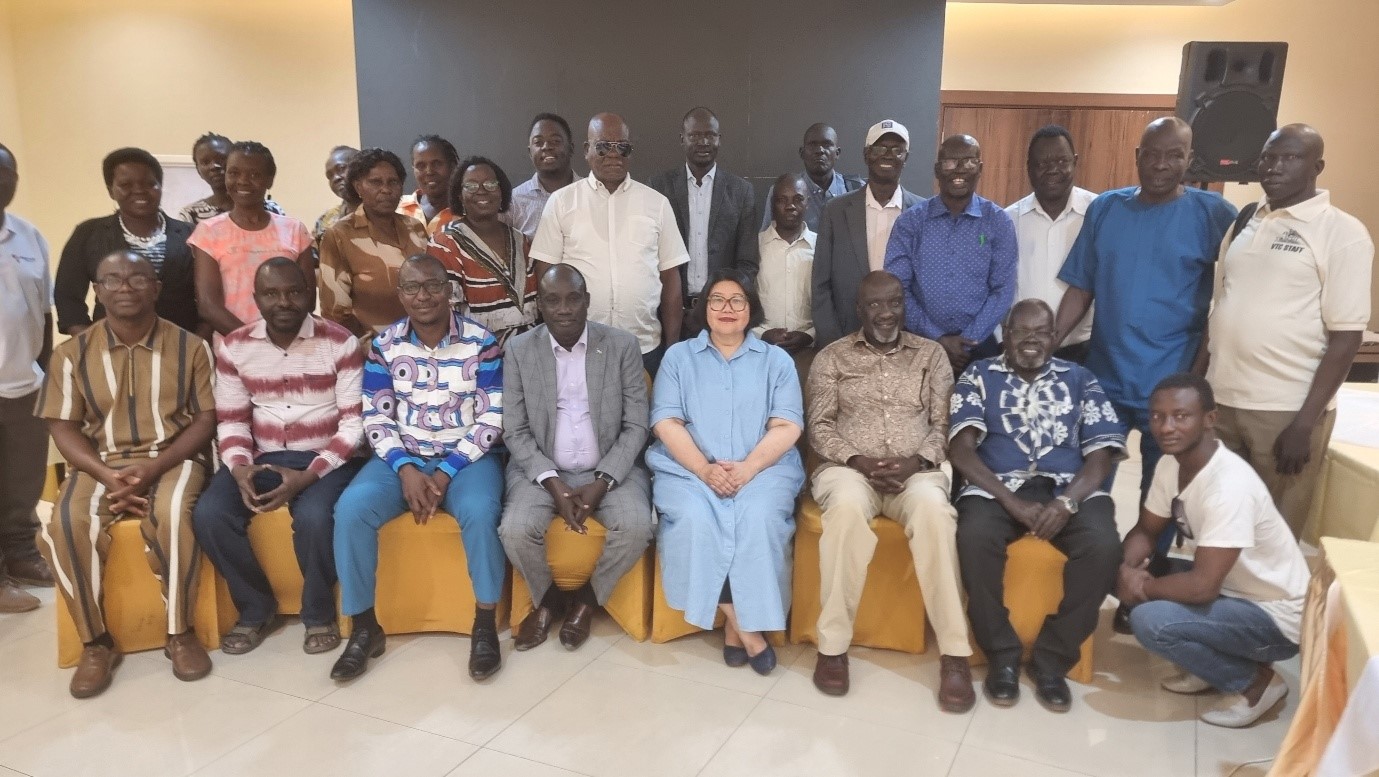
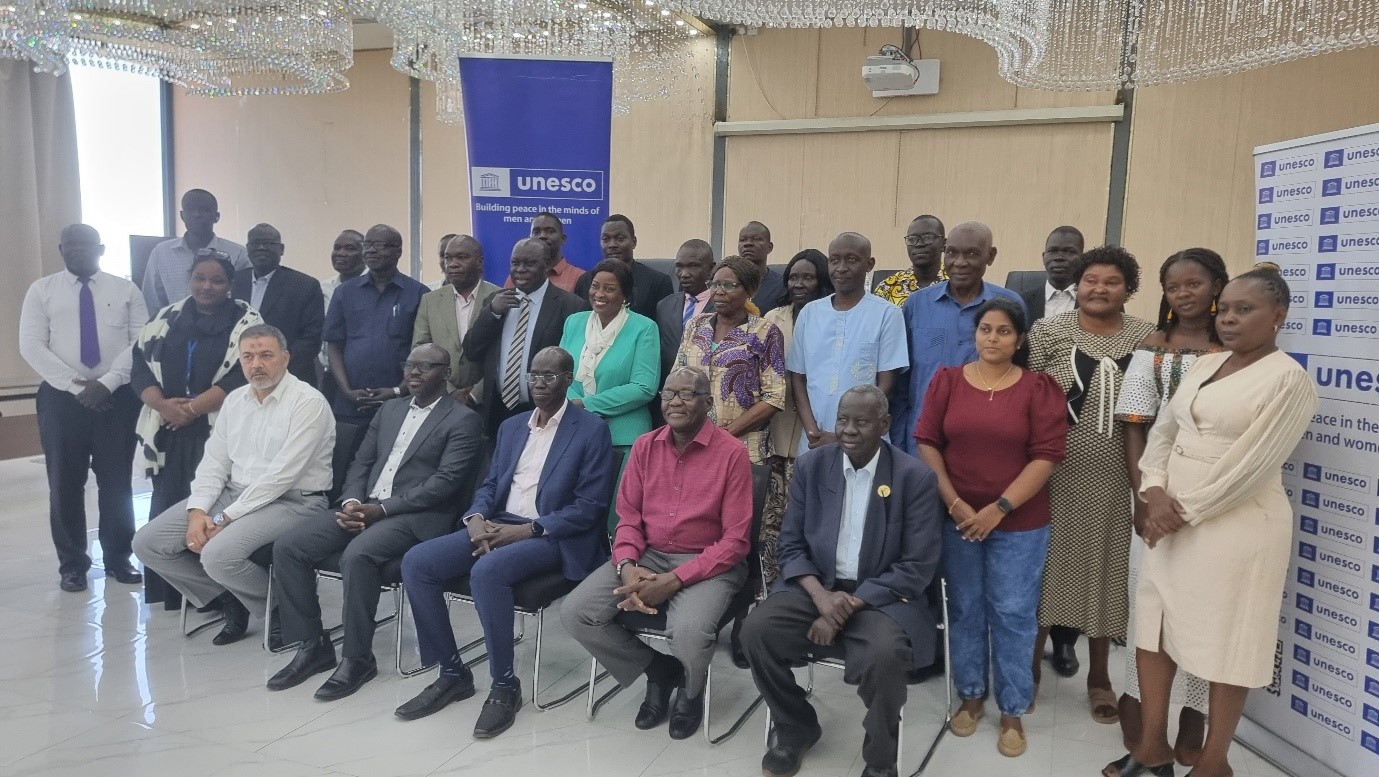
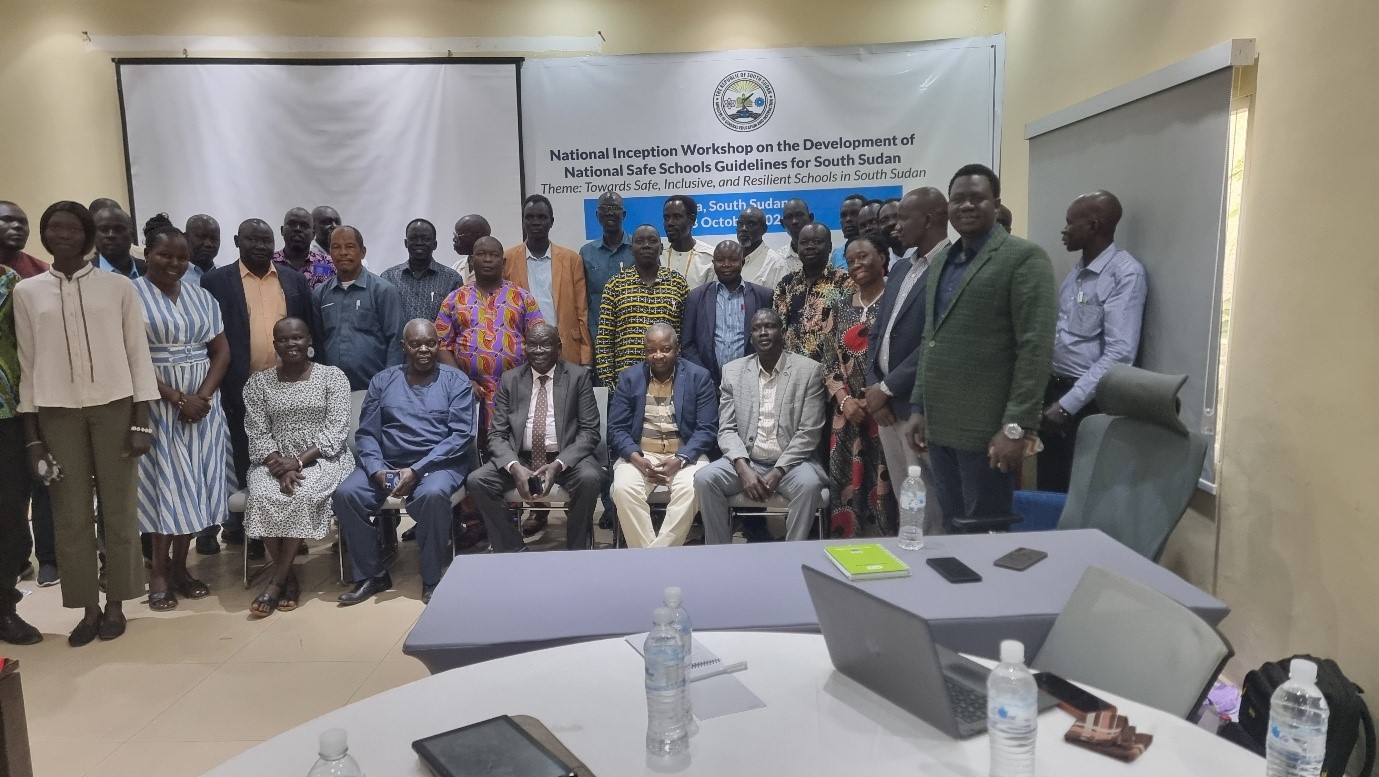
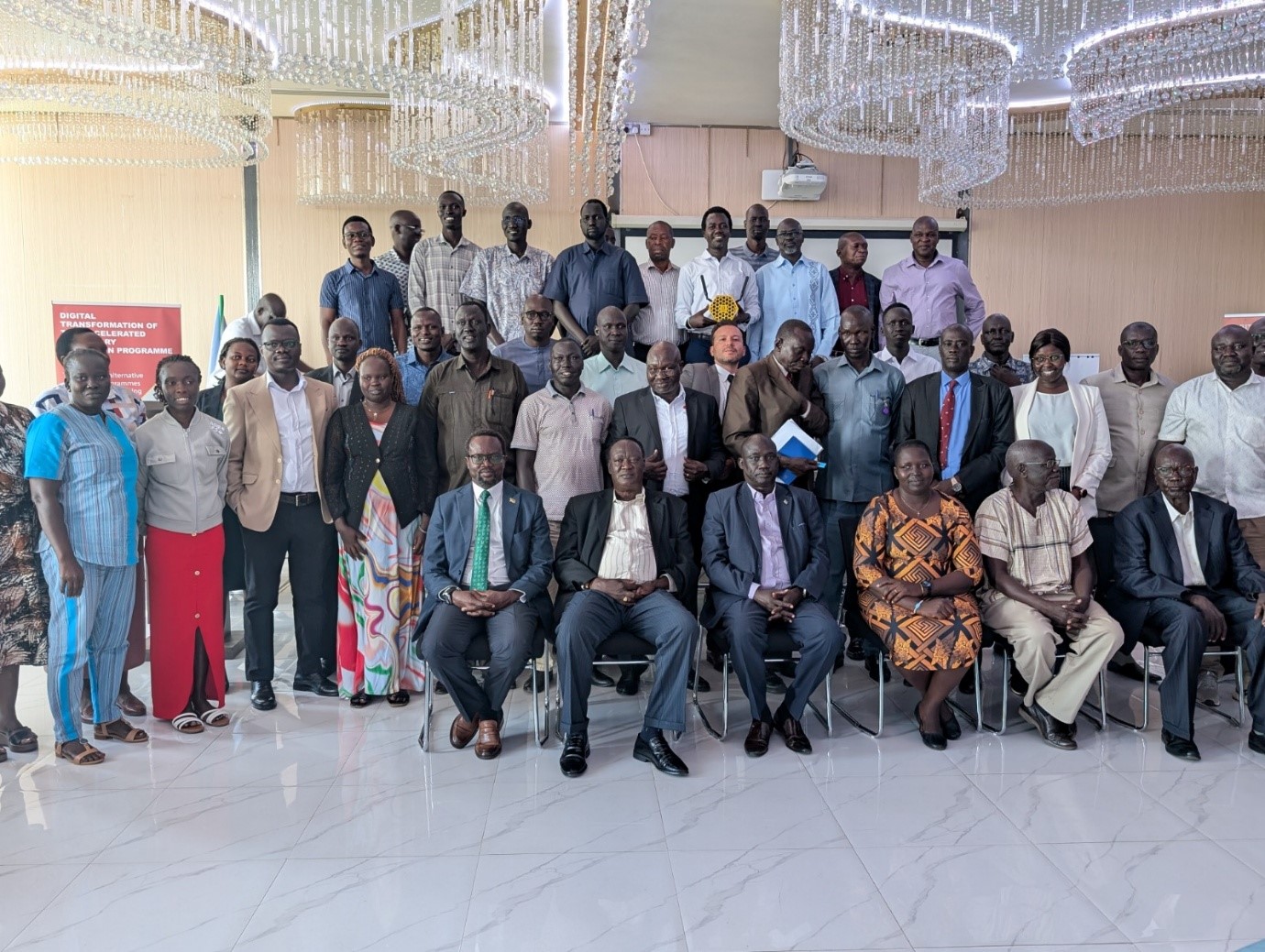
Juba, 6 November 2026 – The Ministry of General Education and Instruction (MOGEI), in partnership with UNESCO and technical consultants from Ghana's Workforce Development International, has successfully concluded a five-day workshop on curriculum development and competency-based assessment for seven priorities Technical and Vocational Education and Training (TVET) trade areas.
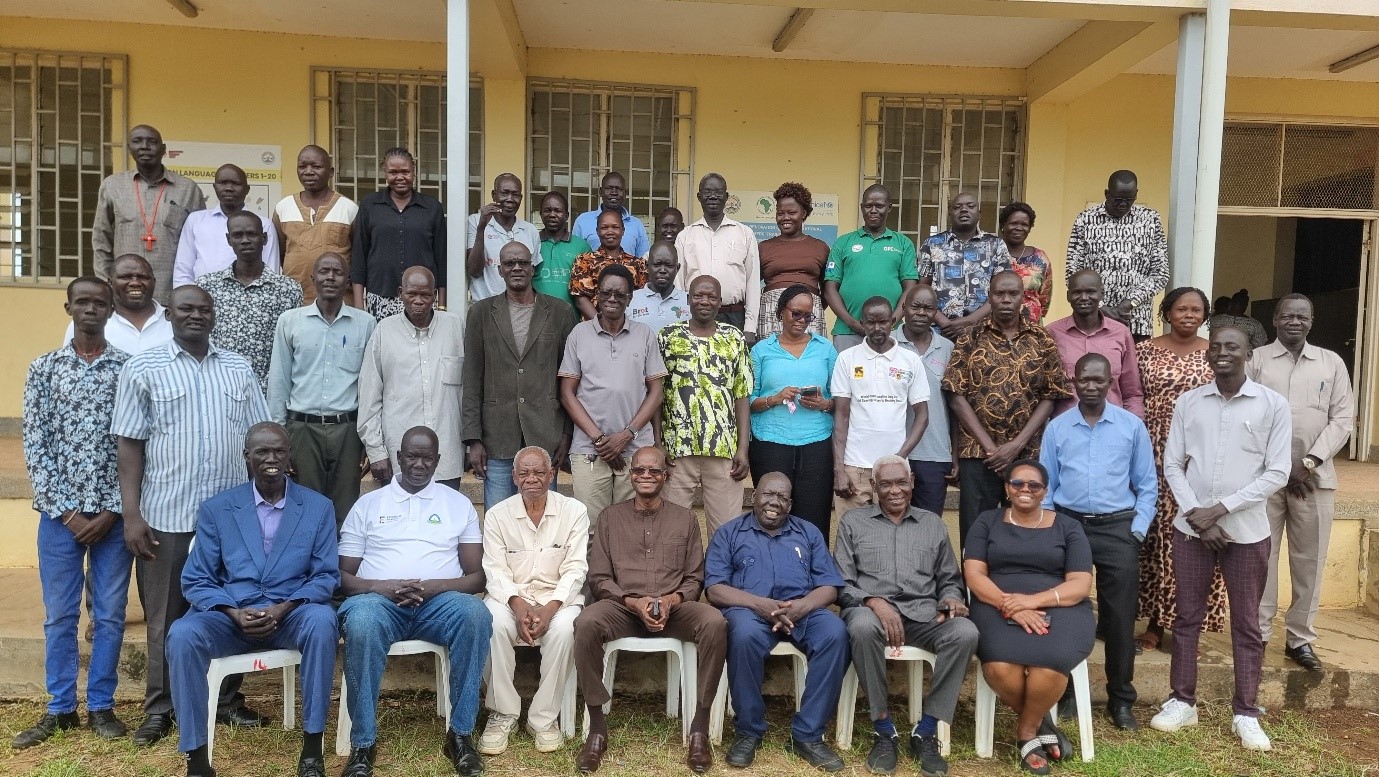
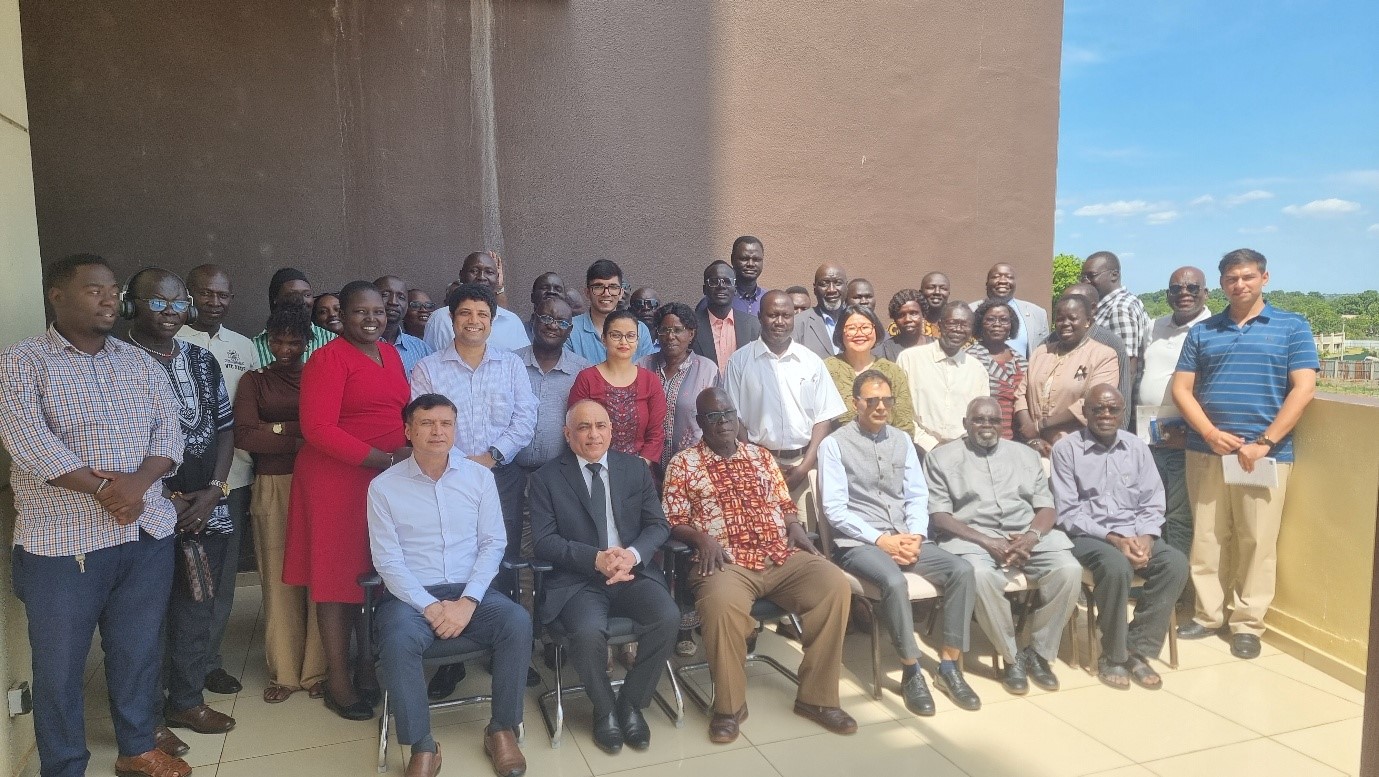
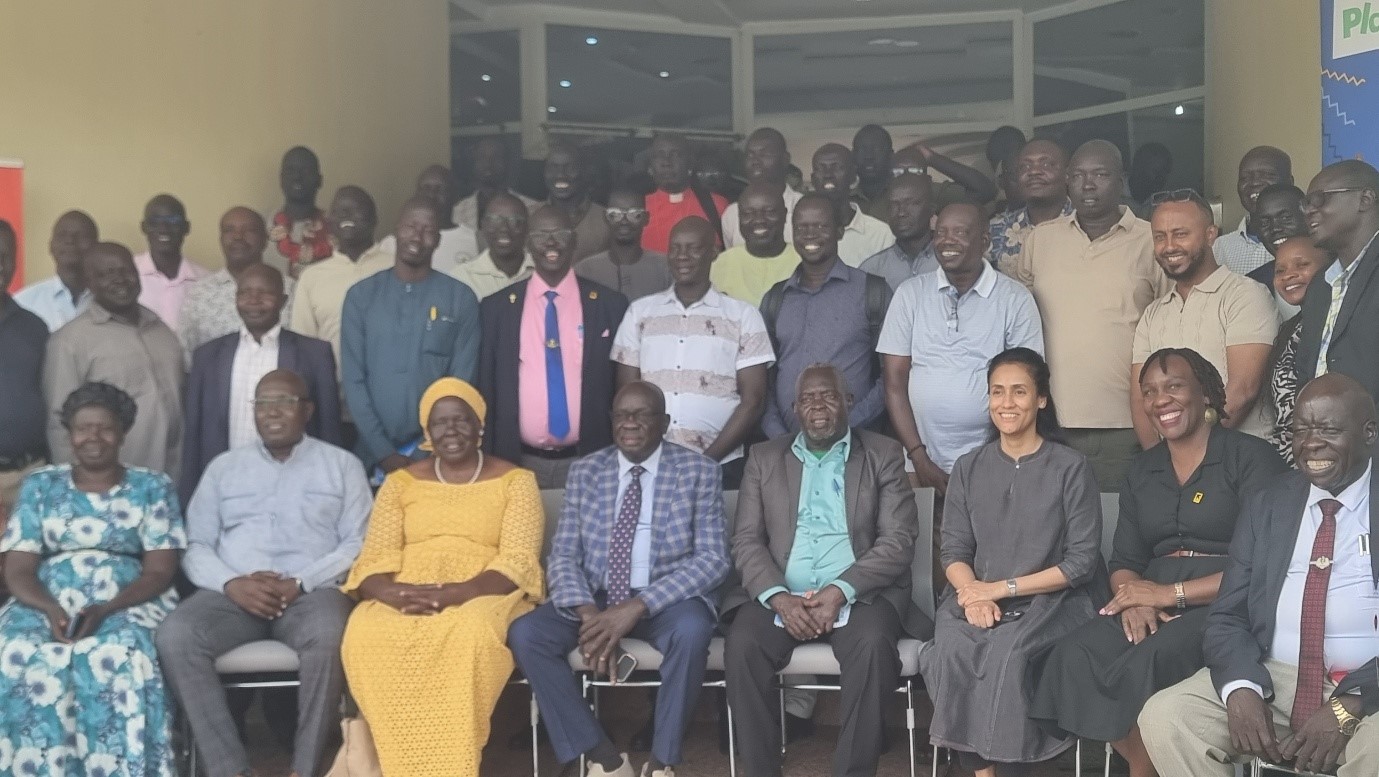
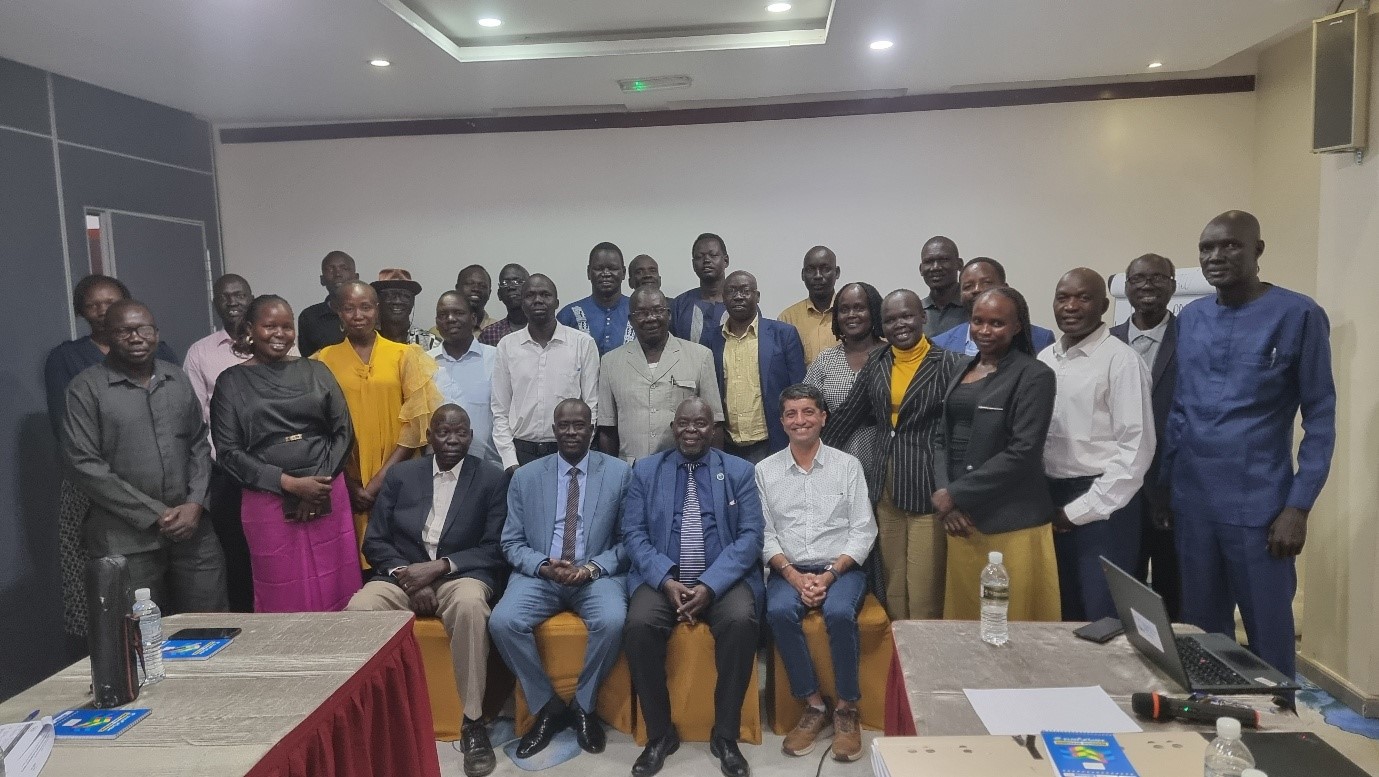
The workshop, held from 2 to 6 November 2026 in Juba and funded by the African Development Bank (AfDB), brought together more than 50 participants from TVET institutions, teacher training institutes, relevant government ministries, industry representatives, and development partners.
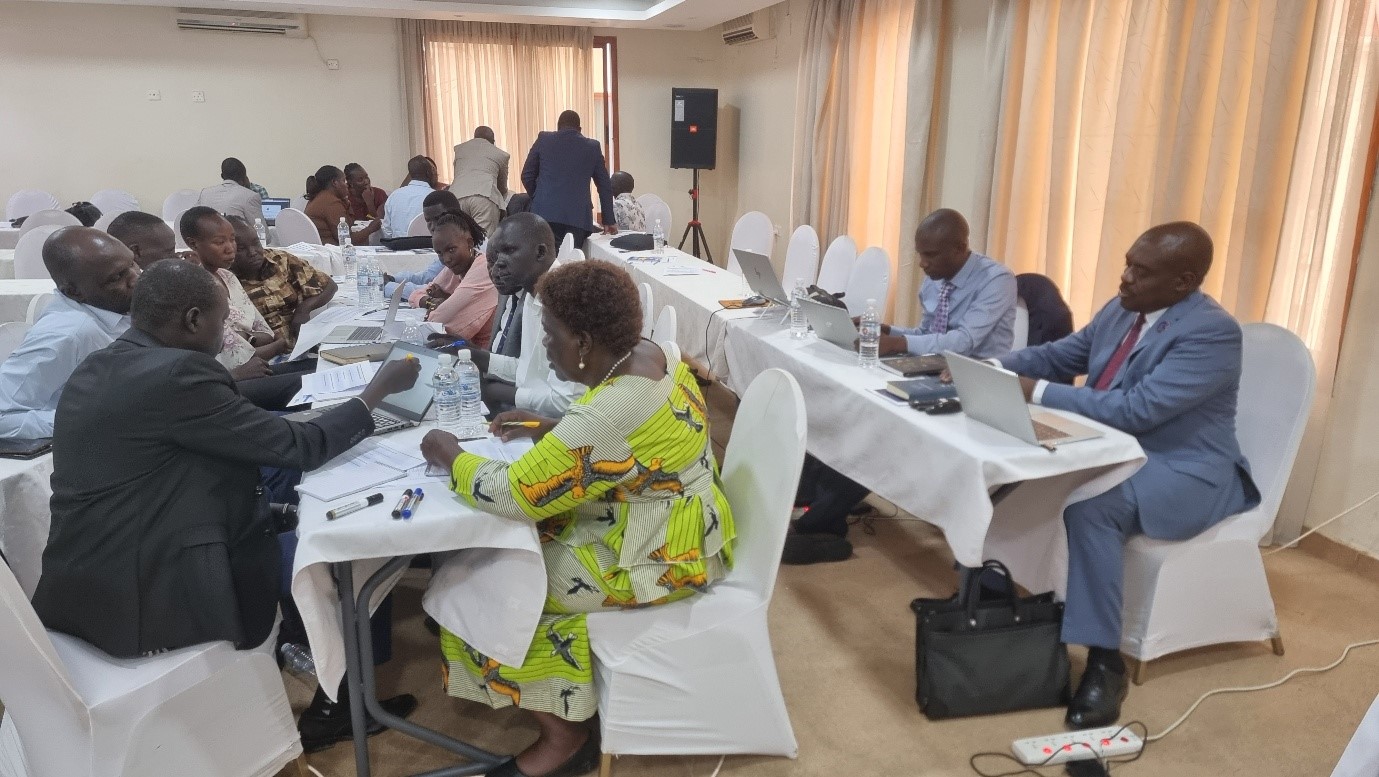
Participants worked in specialized trade groups to develop and review competency-based curricula and assessment tools that will guide skills training, strengthen quality assurance, and align training with labour market demands and livelihood opportunities for young people in South Sudan.
Speaking at the closing ceremony, organizers emphasized that the initiative marks a significant step toward establishing a modern competency-based TVET system, where learners are assessed on practical skills and demonstrated competencies rather than theoretical knowledge alone.
"This workshop is about making TVET more relevant. When curriculum and assessment are developed together, graduates are better equipped with the skills needed by employers and communities," organizers noted.
Participants committed to finalizing the curriculum and assessment materials, validating them with industry stakeholders, and supporting their implementation across training institutions.
Representatives of the participants highlighted the critical role of TVET in national development.
"No nation develops without strong technical and vocational education and training. Our contributions to this process are contributions to the development of our country," a participant representative said.
Another participant welcomed the introduction of occupational standards, describing the reform as a major milestone for South Sudan's skills development sector.
"For many years, training programmes were largely objectives-based and lacked occupational standards. This new approach will strengthen the quality and relevance of skills training and prepare learners for the demands of the workplace," he said.
Representatives from Workforce Development International commended the commitment and collaboration demonstrated by South Sudanese stakeholders throughout the process.
"The level of cooperation, dedication and support we have experienced in South Sudan has been exceptional. We remain committed to supporting the country's efforts to strengthen TVET and promote sustainable economic growth," the consultants said.
Speaking on behalf of development partners, representatives emphasized that the initiative goes beyond curriculum development and is aimed at creating employment opportunities and transforming livelihoods, particularly for young people who constitute the majority of South Sudan's population.
"We are not only developing documents. We are investing in skills, jobs, livelihoods and the future growth of our economy," they said.
UNESCO Representative to South Sudan, Ms. Yayoi, underscored the importance of investing in skills development to meet the needs of the country's growing youthful population.
She noted that South Sudan's population is estimated at 16.4 million and is projected to exceed 20 million by 2030. Nearly half of the population is under the age of 15, while approximately 79 percent are under the age of 35.
Ms. Yayoi reiterated UNESCO's commitment to supporting a more cohesive, coherent and government-led TVET system that equips young people with relevant skills for employment and entrepreneurship.
Representing the Undersecretary of MOGEI, Mr. Simon Nyok Deng, Director General for TVET, emphasized the need for industry-aligned qualifications, standards and quality assurance mechanisms.
He called for the continued development of competency-based curricula that are relevant, practical and responsive to South Sudan's labour market needs.
"The majority of our population is young and requires employable skills. Our qualifications frameworks, standards and quality assurance systems must align with industry requirements to drive economic growth and national development," he said.
MOGEI expressed its appreciation to UNESCO for its technical leadership, Workforce Development International for facilitating the workshop, the African Development Bank for financial support, and all participants for their active engagement and contributions.
The Seven Priority Trade Areas 1. Building Construction 2. Carpentry and Joinery 3. Welding and Metal Fabrication 4. Electrical Installation and Solar Energy 5. Automotive Mechanics 6. Plumbing and Irrigation 7. Catering and Hospitality
These trade areas were identified as priority sectors with significant potential to contribute to employment creation, skills development and economic growth in South Sudan.
Comment
Leave a comment