-
 Ministries, Juba, South Sudan
-
 info@mogei.gov.ss
Opening Hours: Monday to Friday - 8:00AM to 5:00PM
Ministries, Juba, South Sudan
info@mogei.gov.ss


Opening Hours: Monday to Friday - 8:00AM to 5:00PM
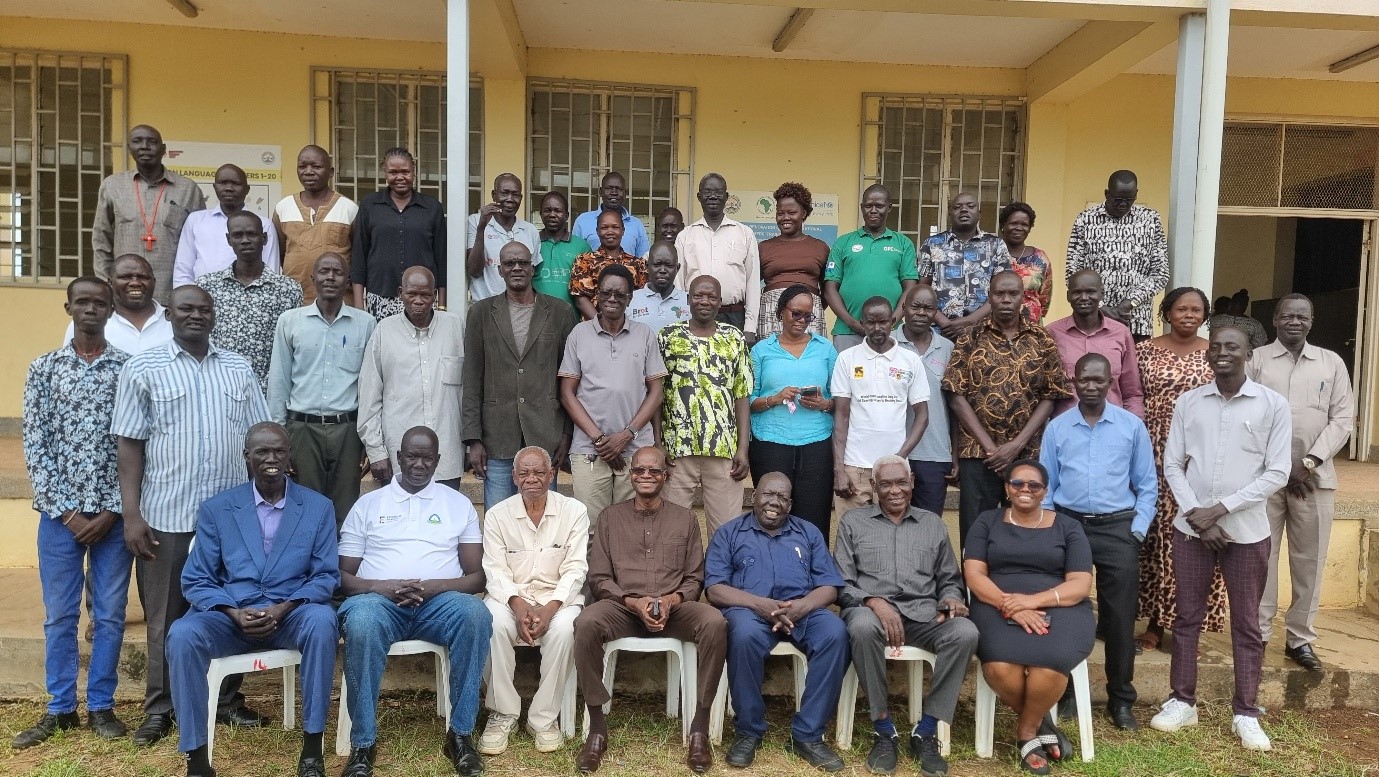
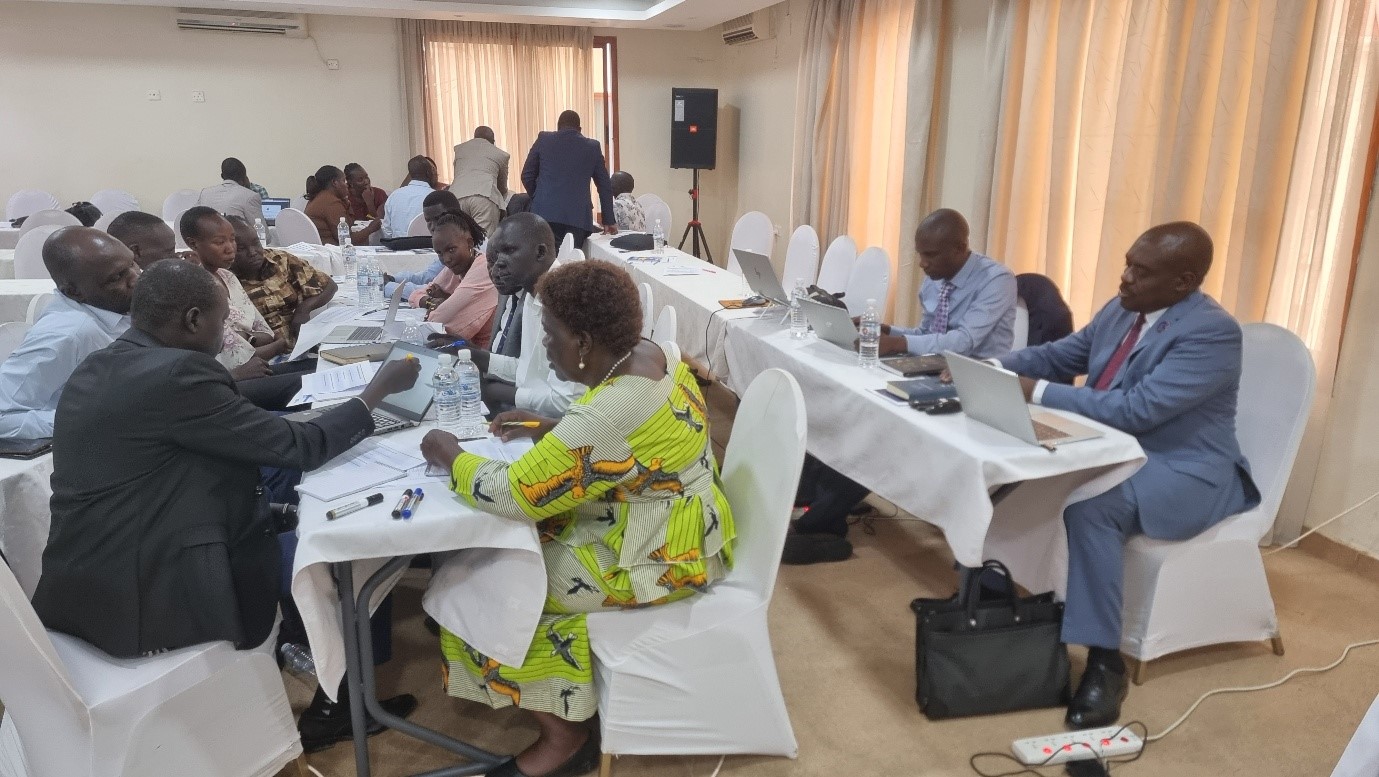
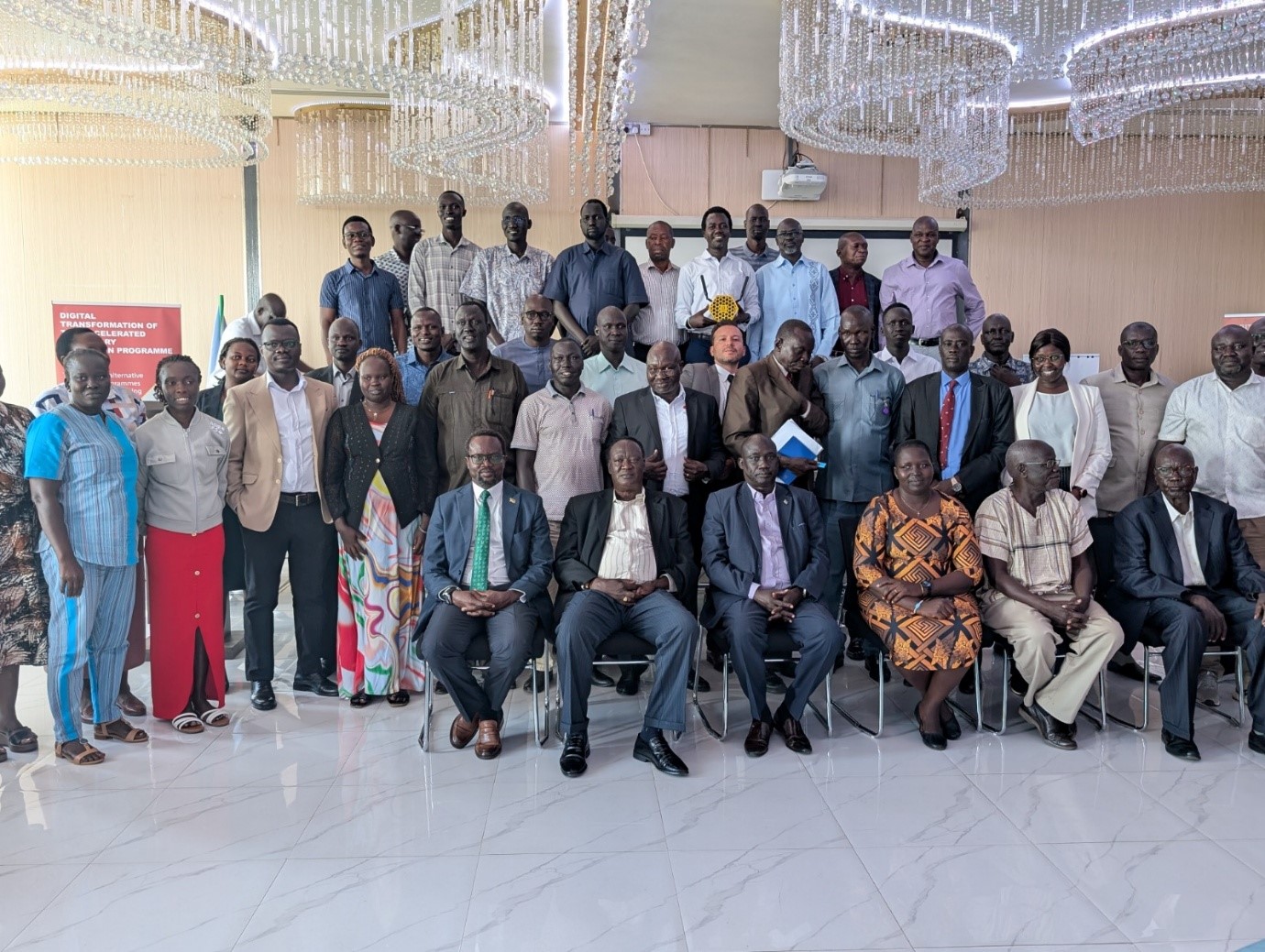
Juba, 30 October 2026 - The Ministry of General Education and Instruction (MOGEI), with funding from the World Bank and in partnership with Kenyatta University of Kenya, is conducting a training programme on digital learning content development for tutors in Juba.
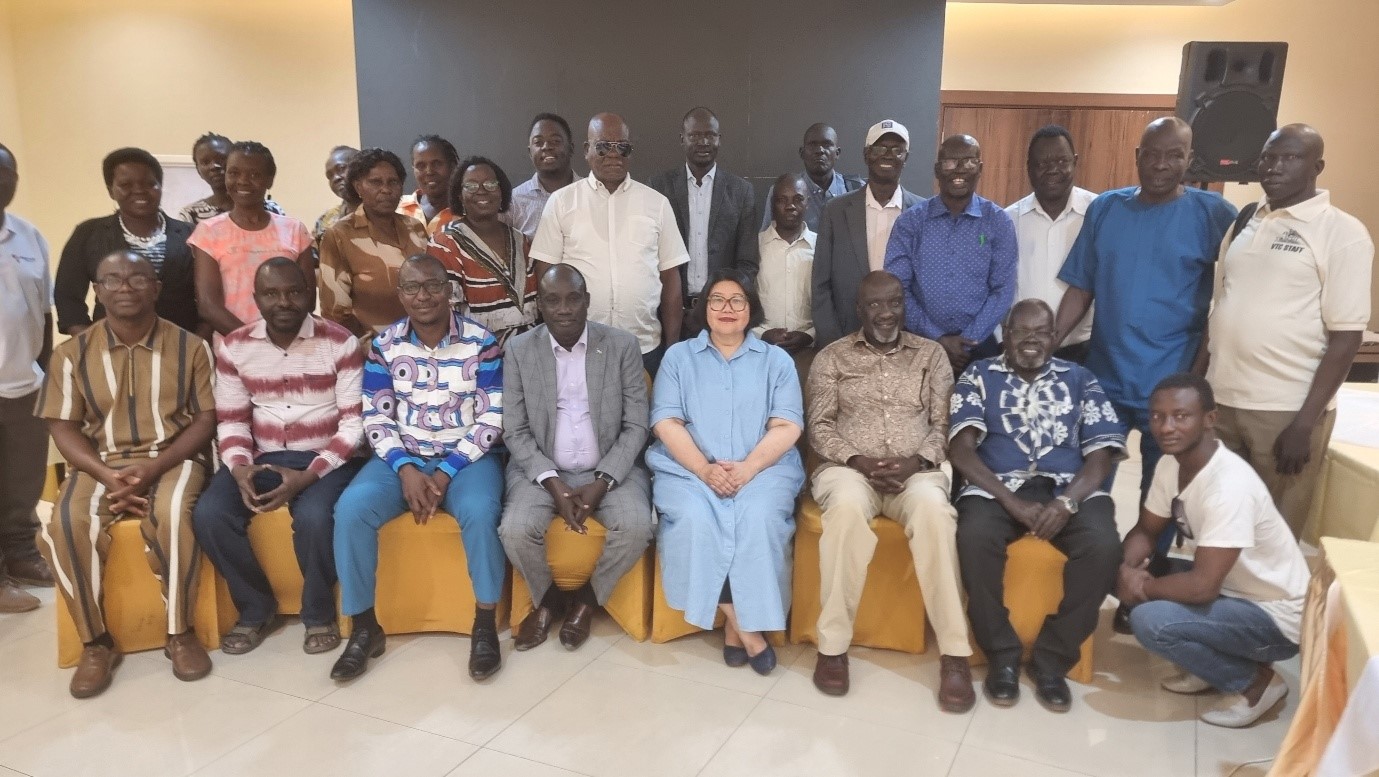
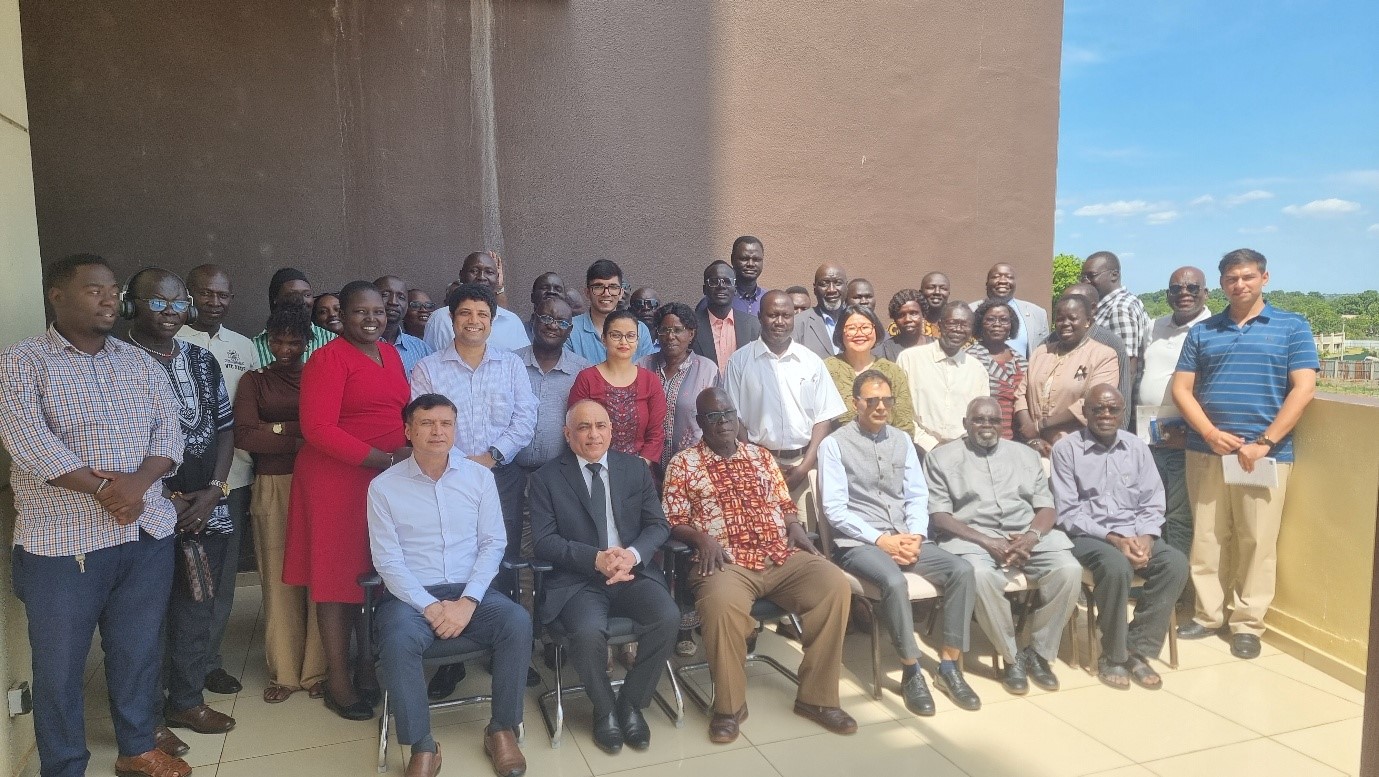
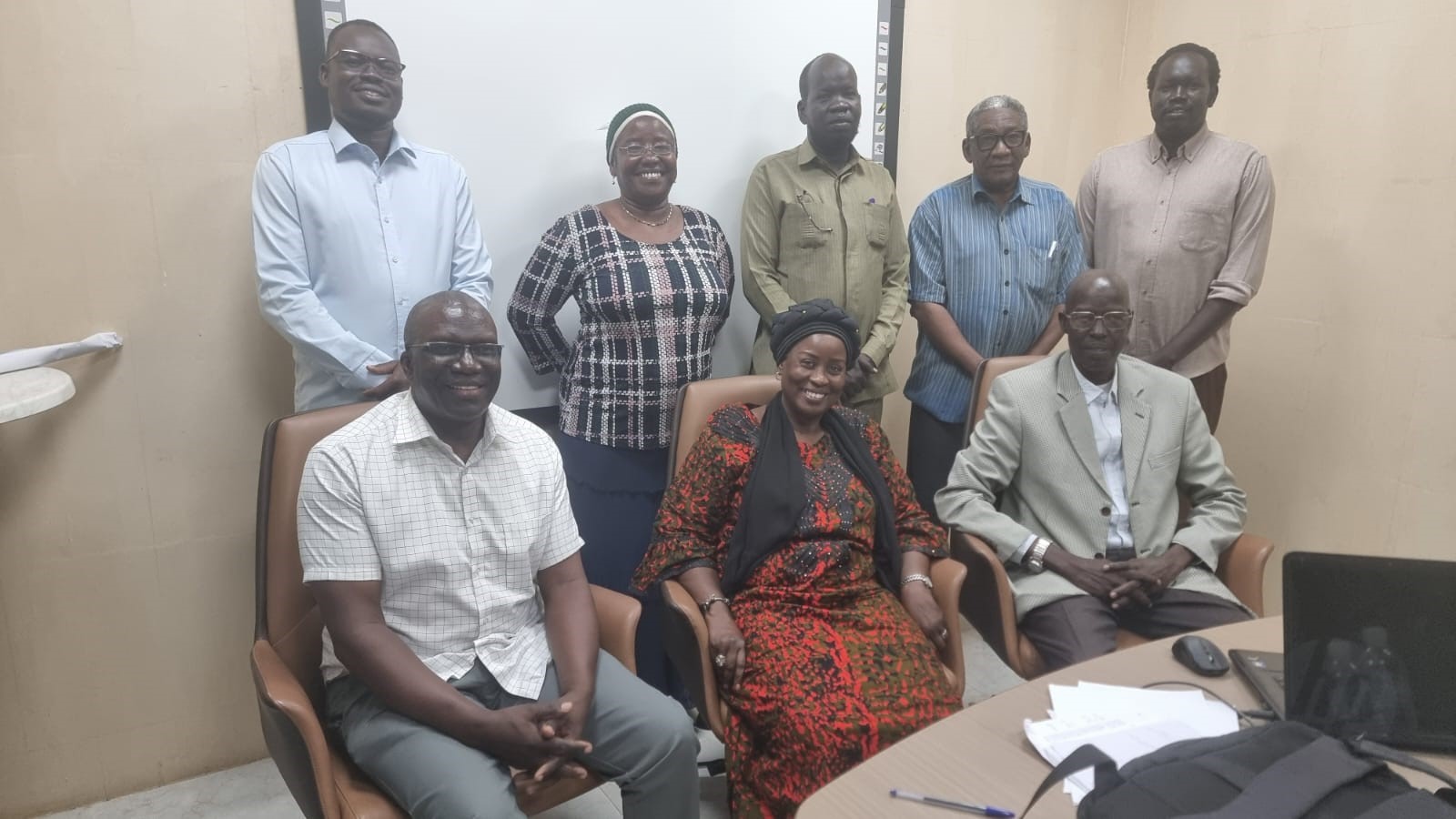
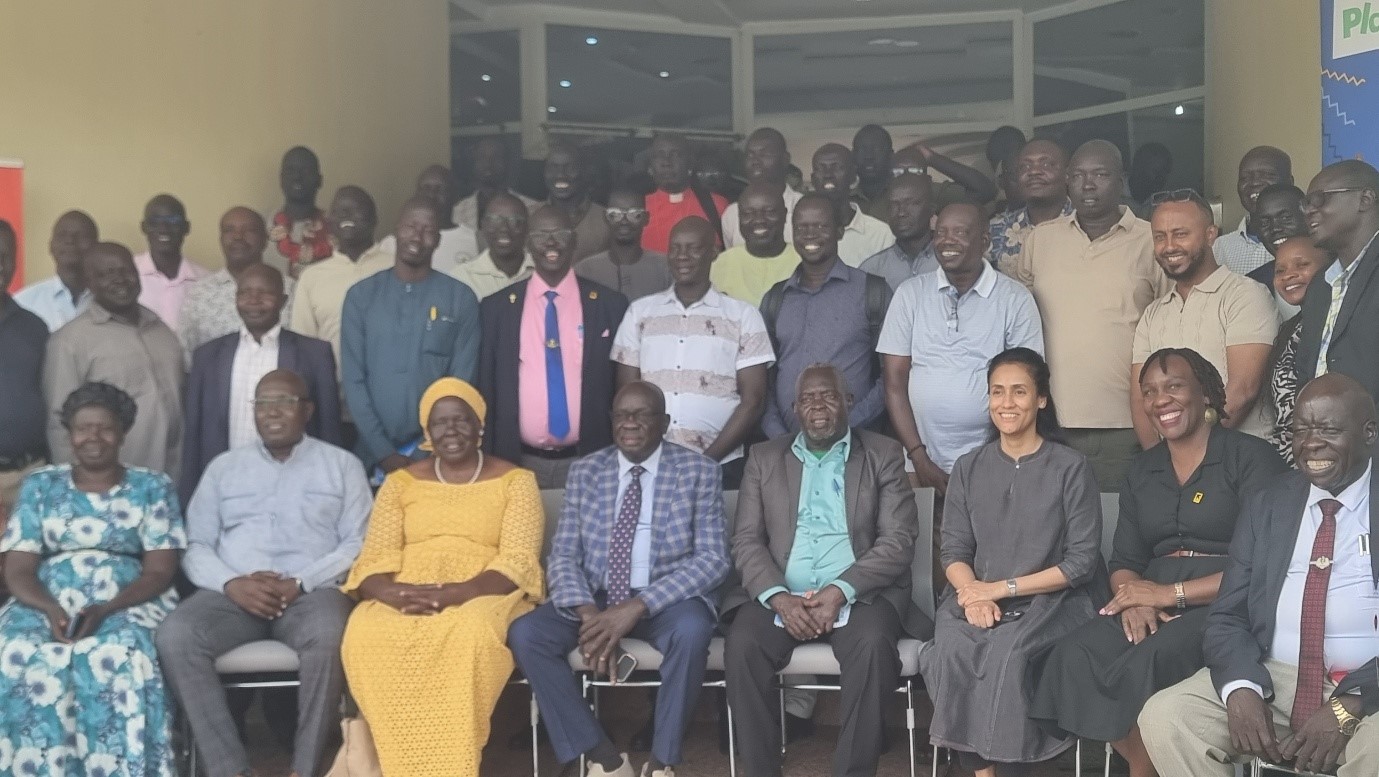
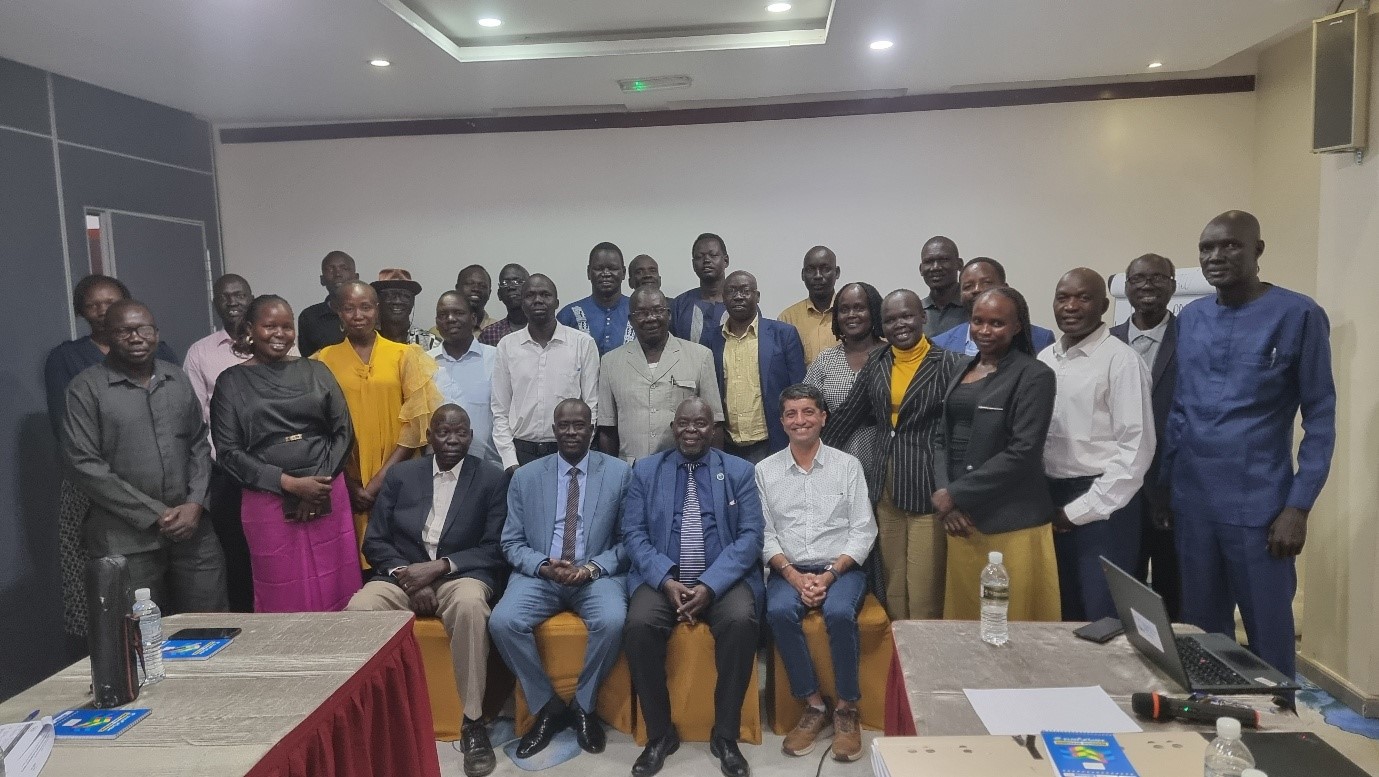
The five-day training, that took place from 26 to 31 October 2026, brought together tutors from the University of Juba, Upper Nile University, Rombur Teacher Training Institute (TTI), and MOGEI.
The World Bank-funded initiative aims to equip tutors with practical skills to develop digital learning materials, improve the quality of teacher training, and expand access to education across South Sudan through technology-enabled learning.
Speaking during the training, Prof. Rebecca Wambua, a digital learning expert from Kenyatta University, said e-learning has the potential to significantly expand access to education.
"With e-learning, a single lecturer can reach over 1,000 students at once. The digital learning content developed through this programme will be uploaded and made accessible to both students and tutors," she said.
Prof. Wambua also encouraged the Government and internet service providers to explore affordable internet access arrangements for students and tutors.
"In Kenya, we introduced this through KENET (Kenya Education Network), which provides subsidized internet access to lecturers and students. This is something that can also be considered in South Sudan," she said.
She noted that the initiative seeks to ensure that all Teacher Training Institutes have access to quality learning materials.
"When tutors and their students, who are also teachers in primary and secondary schools, gain access to quality learning resources, they will transfer that knowledge and quality to learners in classrooms across the country. This will contribute to improving the overall quality of education in South Sudan," she added.
Prof. Wambua emphasized that although access to laptops remains important, the programme has been designed to ensure accessibility through smartphones.
"We recognize that some tutors may not have laptops. However, once content is uploaded, tutors and students will be able to access it using smartphones. During a pilot assessment at Rombur TTI, we found that all tutors and students had access to smartphones," she said.
She further explained that the learning materials will be available offline, enabling users to access content even in areas with limited internet connectivity.
"Despite challenges related to computers and laptops, both tutors and students will still be able to benefit from the digital learning resources," she added.
Participants described the training as timely and transformative. Mr. Lino Ladu, a tutor at Rombur Teacher Training Institute, said the programme had opened new opportunities for reaching student teachers in remote areas.
"Digital learning is an eye-opener. We can now support student teachers in distant locations who are unable to attend training programmes physically," he said.
He added that digital platforms have expanded access to educational resources beyond traditional textbooks and libraries.
"Previously, we relied mainly on books and physical libraries. Through digital learning, we can now access a wider range of information and educational resources online," he said.
Mr. Biar James, Acting Principal for Academic Affairs at Rombur Teacher Training Institute, said the training came at a critical time when many institutions face shortages of learning materials.
"Many of our trainees rely on outdated books. With digital content stored on tablets and other devices, one resource can support many learners. This training is showing us that we can become creators of educational content rather than merely consumers," he said.
A tutor from Upper Nile University said the practical nature of the training distinguished it from many other workshops.
"When I return to Upper Nile University, I will begin applying the skills acquired during this training. I will use the resources available to me to teach digital content development and support my students," the tutor said.
MOGEI expressed its appreciation to the World Bank for its continued support to the education sector, Kenyatta University for providing technical expertise, and the participating universities and Teacher Training Institutes for their commitment to strengthening teacher education in South Sudan. At the conclusion of the workshop, participants emphasized that the real impact will be realized through the application of the newly acquired skills in classrooms and teacher training institutions across the country.
Comment
Leave a comment