-
 Ministries, Juba, South Sudan
-
 info@mogei.gov.ss
Opening Hours: Monday to Friday - 8:00AM to 5:00PM
Ministries, Juba, South Sudan
info@mogei.gov.ss


Opening Hours: Monday to Friday - 8:00AM to 5:00PM
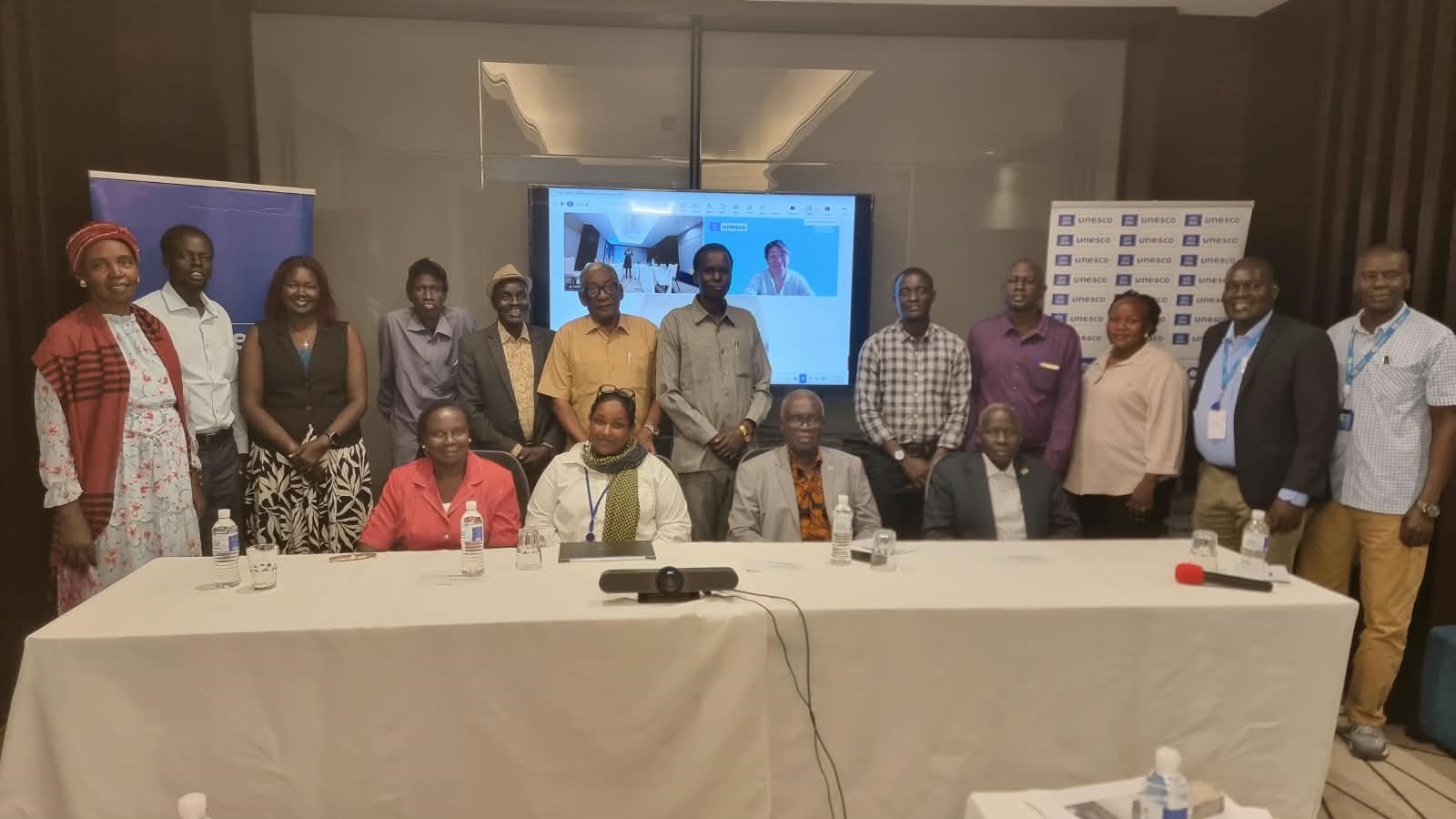
Juba, South Sudan - South Sudan has taken a significant step toward ensuring that no learner is left behind because of missing academic documents through a UNESCO-supported capacity-building workshop on the UNESCO Qualifications Passport (UQP) and Recognition of Prior Learning (RPL).
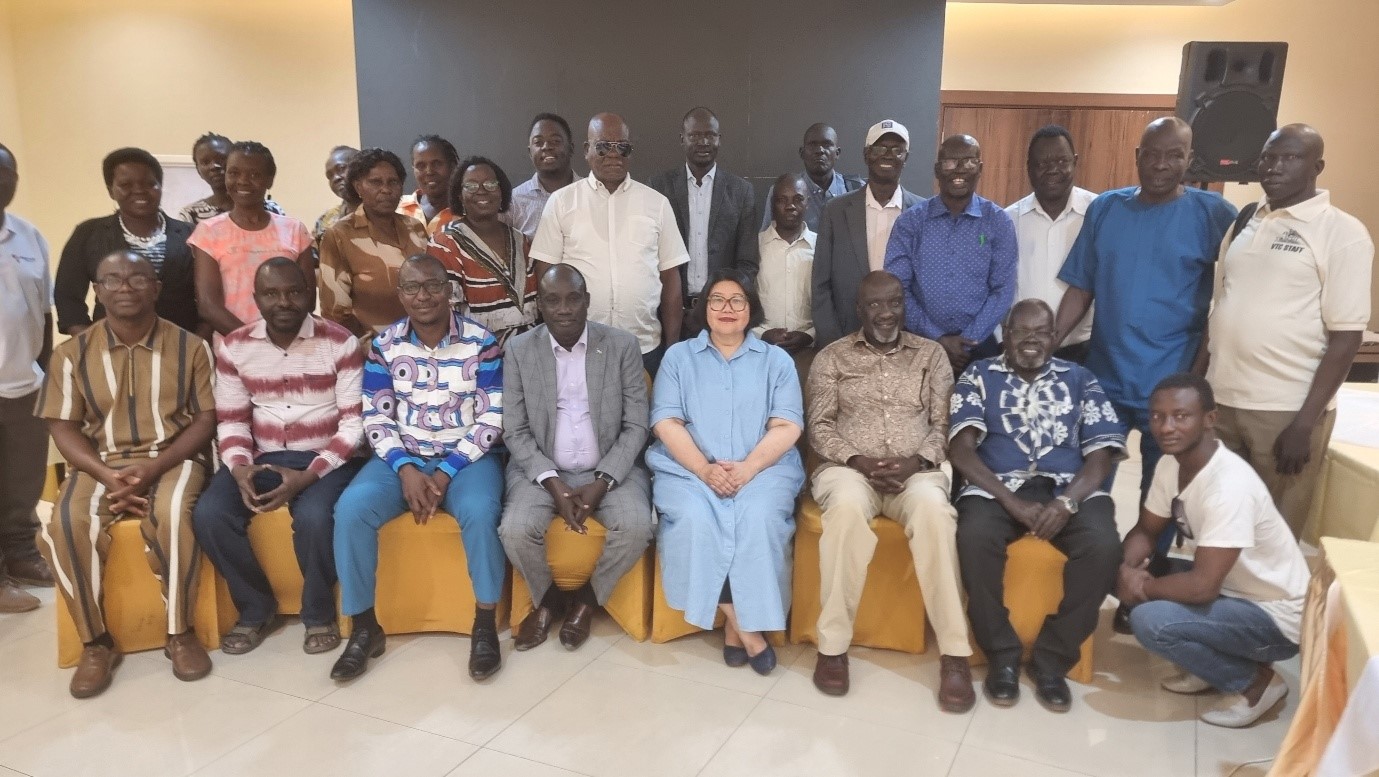
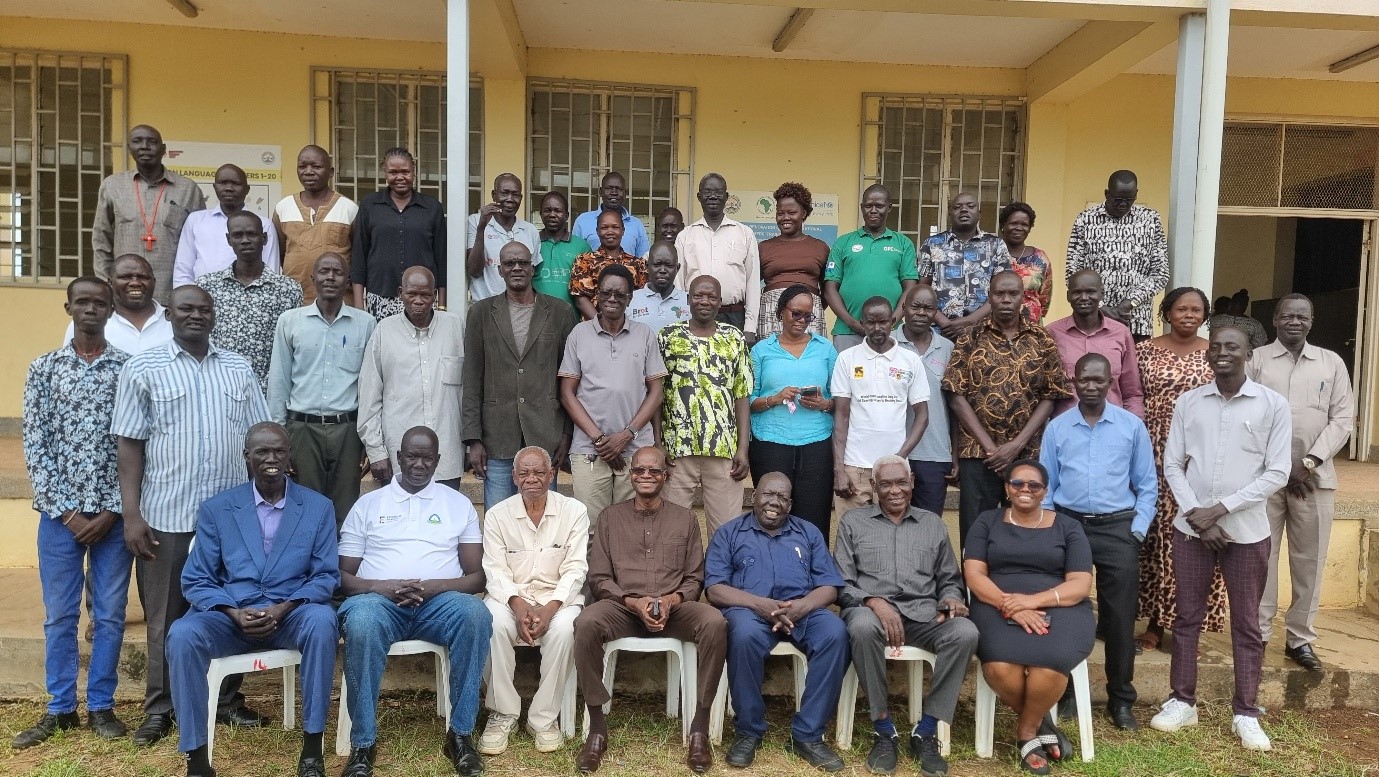
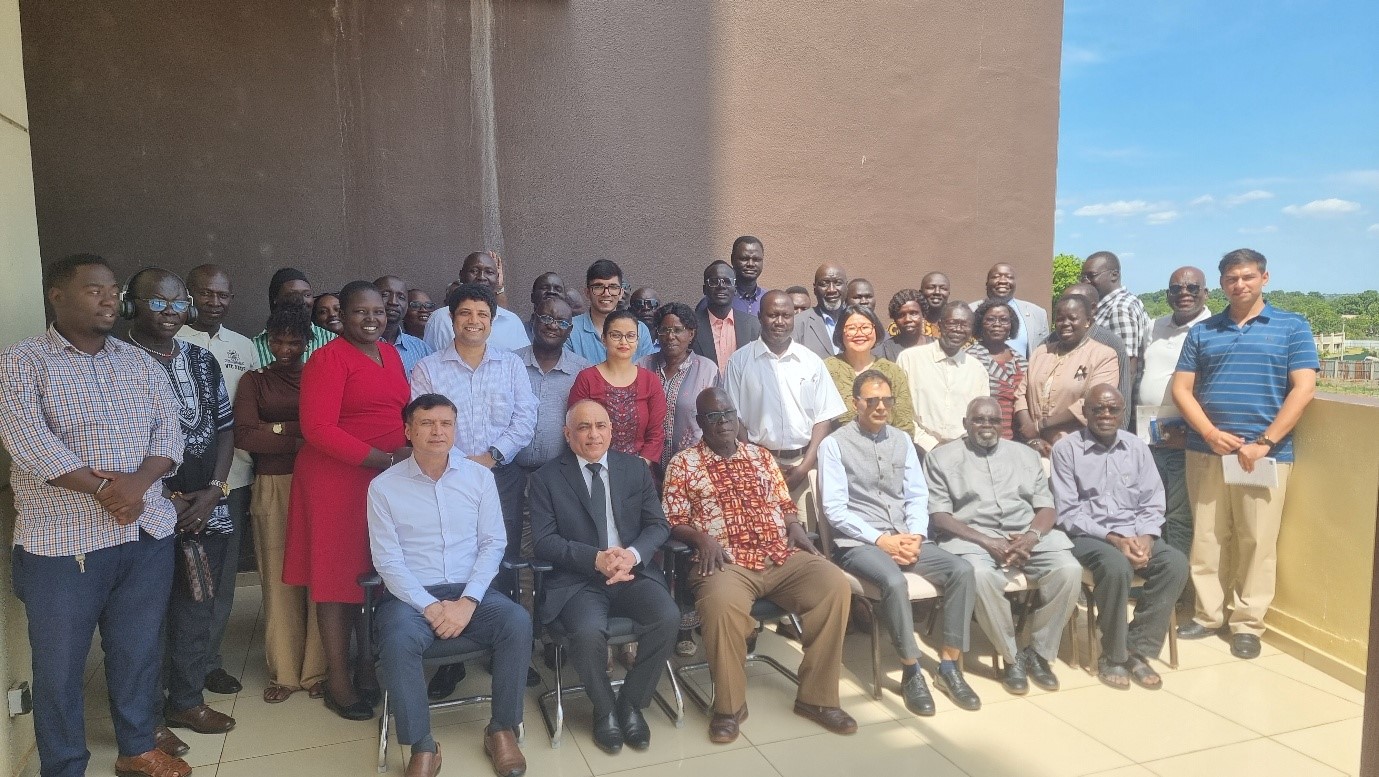
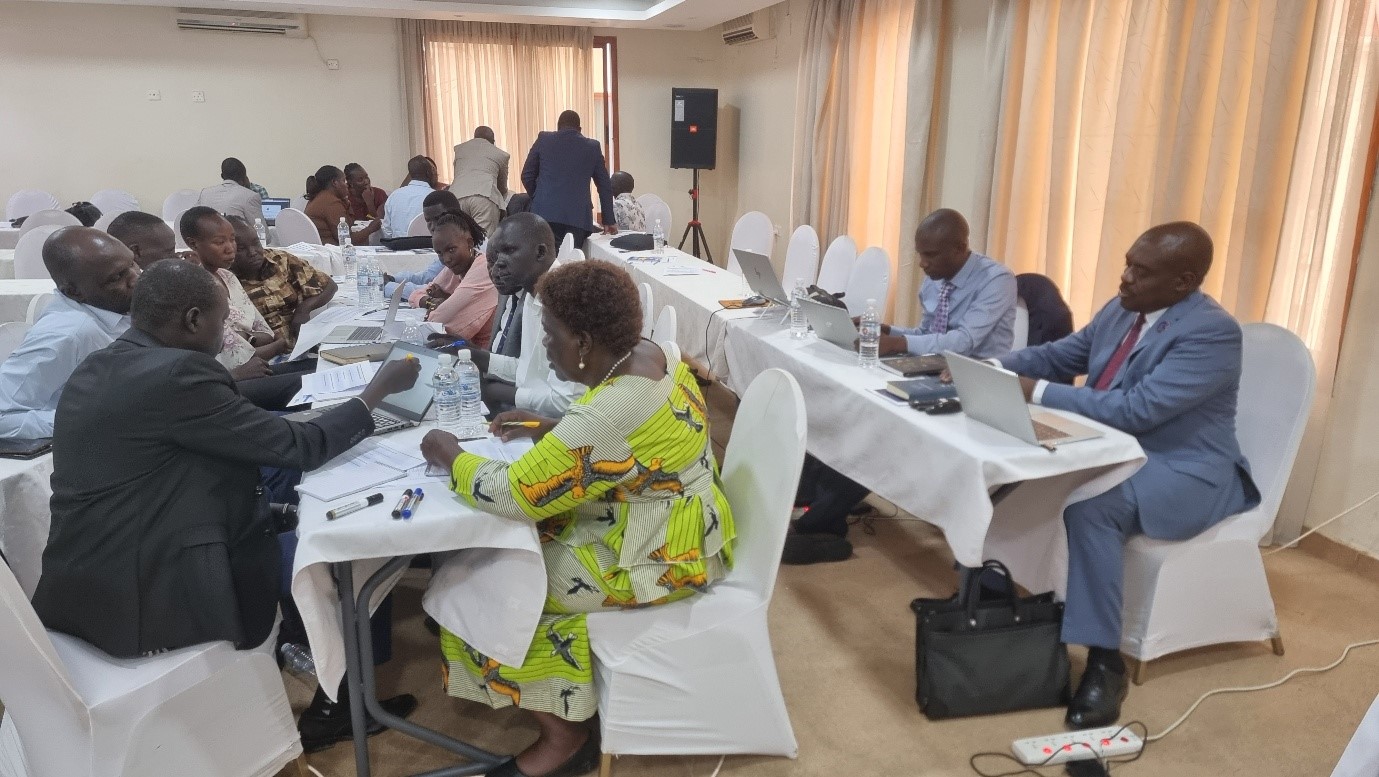
With funding and technical support from UNESCO, and in partnership with the Ministry of Higher Education, Science and Technology (MoHEST) and the Ministry of General Education and Instruction (MoGEI), a two-day workshop was held in Juba for credential evaluators and education stakeholders on mechanisms for assessing and recognizing qualifications and prior learning among refugees, returnees, and displaced persons.
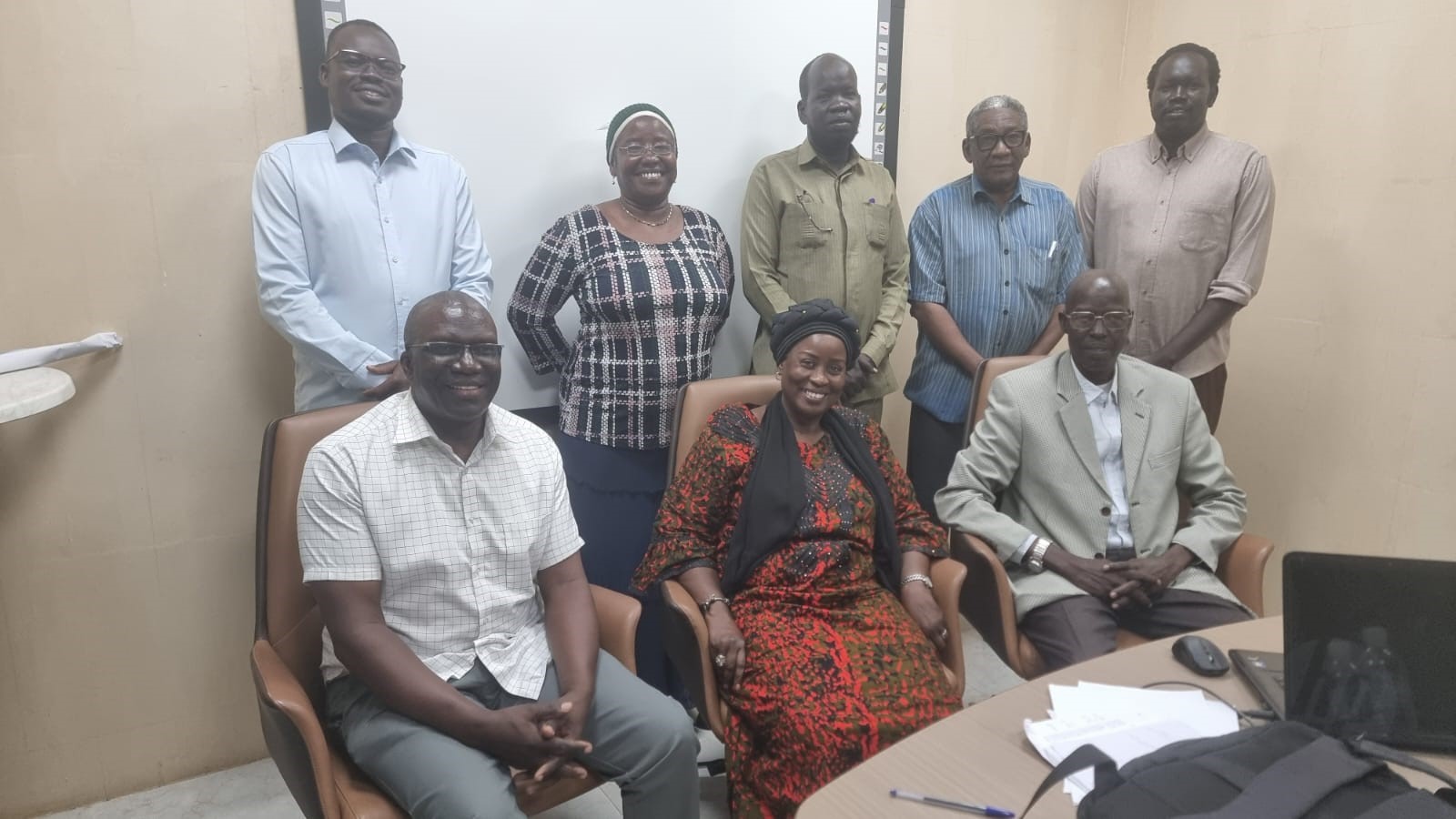
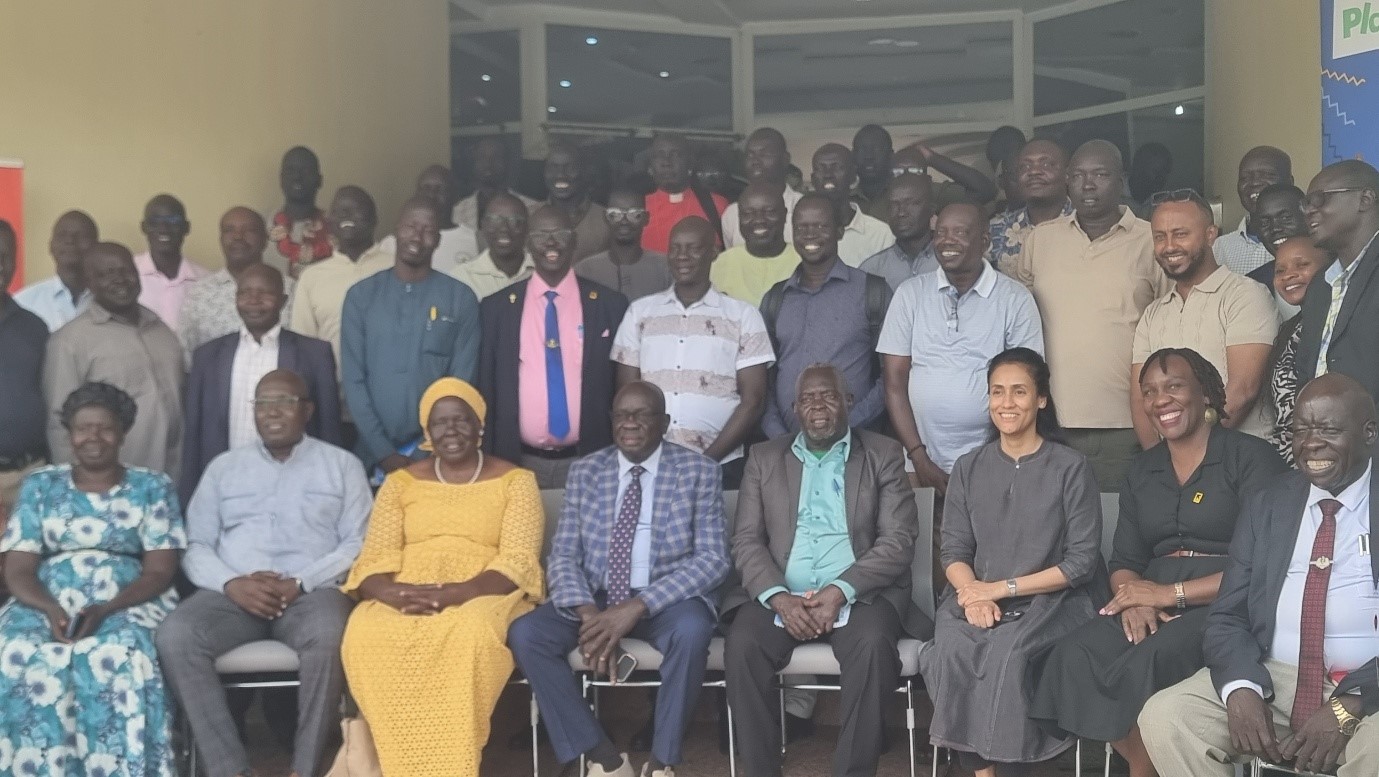
The workshop brought together participants from MoHEST, MoGEI, public universities, including the University of Juba and Upper Nile University, as well as other institutions responsible for admitting, assessing, and graduating learners affected by displacement.
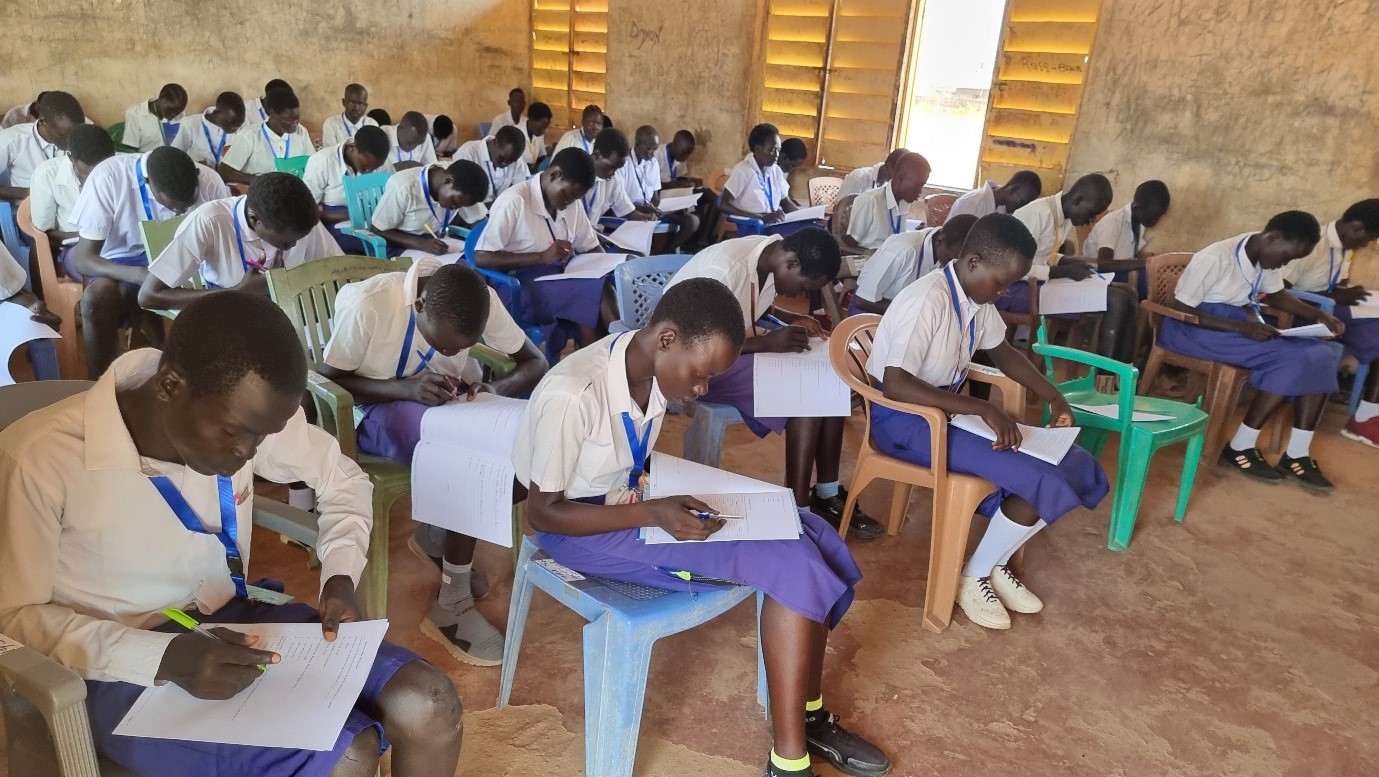
Addressing an Urgent Need South Sudan currently hosts more than 650,000 refugees, many of whom have fled the conflict in neighbouring Sudan, alongside over 2.5 million internally displaced persons (IDPs). Among them are learners whose education pathways have been disrupted by conflict and displacement.
An estimated 2,000 refugee learners have already been admitted to universities on a provisional basis but remain unable to graduate because they lack the academic documentation required to verify their previous qualifications.
The UNESCO Qualifications Passport was presented as a practical solution to this challenge. The methodology enables the assessment and recognition of qualifications and prior learning when formal academic records are incomplete, unavailable, or difficult to verify.
Based on available evidence and structured interviews, the UQP provides a credible summary of an individual's educational background, work experience, and language competencies, opening pathways to further education, skills development, and employment opportunities.
Building National Expertise The workshop focused on: • Global and regional qualifications frameworks and South Sudan's place within them; • Procedures for the Recognition of Prior Learning (RPL), emphasizing competencies and skills acquired through formal, non-formal, and informal learning; • The UNESCO Qualifications Passport methodology, including evidence collection, interviews, assessment procedures, quality assurance, and issuance processes; • Ethical, fair, and consistent evaluation practices, including approaches for addressing suspected fraudulent documentation while protecting genuine learners; • Strategies for integrating UQP and RPL into university admissions, examinations, and graduation systems.
Designed as a highly practical training, the workshop enabled participants to analyze real-life cases, debate challenging scenarios, and apply assessment methodologies that balance academic integrity with inclusion.
Learners as Assets, Not Burdens A central theme throughout the discussions was the importance of viewing displaced learners and academics as valuable contributors to national development rather than as a burden on institutions.
Participants reflected on how South Sudan's higher education sector has historically benefited from international expertise. The University of Juba, for example, has hosted professors and scholars from countries including India, Sudan, Egypt, and others, contributing significantly to the growth of the country's education system.
Speakers emphasized that an incomplete academic file should not automatically result in rejection. Instead, institutions were encouraged to keep cases active, follow up on missing evidence, and provide appropriate support to learners whenever possible.
Participants were also reminded of the importance of strengthening institutional record-keeping systems and digital documentation practices, recognizing that effective qualification recognition depends on accurate and accessible records.
Call for Greater Awareness Speaking during the workshop, the Undersecretary in the Ministry of Higher Education, Science and Technology, Dr. Adil Athanasius Surur, called on the Ministry of General Education and Instruction and all education stakeholders to promote wider awareness of the UNESCO Qualifications Passport across the country.
"The UQP is still new to many South Sudanese, and awareness is the first step toward its uptake. I encourage all participants to discuss it consistently in schools, universities, ministry meetings, community gatherings, online platforms, and WhatsApp groups until people become familiar with it."
From Policy to Practice Closing the workshop, Ms. Sarah Osman, UNESCO Head of Education, reaffirmed UNESCO's commitment to supporting South Sudan in establishing effective recognition mechanisms for displaced learners.
While acknowledging that policy development takes time, she encouraged stakeholders to advance practical implementation and begin piloting the approach within universities.
"We are at an important juncture where we need to focus on putting all this work into practice. This means bringing our recognition and RPL mechanisms together into one coherent system. Designing a UQP pilot in South Sudan will open real pathways to education, skills development, and employment for displaced learners."
Participant representatives also highlighted the need for additional support, including evaluation tools, software, and digital systems to strengthen assessment processes. They expressed readiness to serve as assessors and contribute to the successful implementation of the initiative.
Looking Ahead With UNESCO's support and the collaboration of MoHEST, MoGEI, and higher education institutions, South Sudan is laying the foundation for a more inclusive and equitable qualification recognition system. The initiative seeks to ensure that a missing certificate does not translate into a missing future, and that learners affected by conflict and displacement are given a fair opportunity to continue their education, contribute to society, and realize their potential.
The UNESCO Qualifications Passport is an assessment methodology that supports the recognition of qualifications and prior learning for refugees, returnees, and other displaced persons who cannot present complete academic documentation due to conflict, crises, or displacement.
South Sudan was selected for UQP implementation in November 2024. This was followed by a national policy dialogue in December 2025, which identified priority actions and developed a roadmap for implementation. The recent capacity-building workshop represents a key milestone in translating those commitments into action.

Comment
Leave a comment