-
 Ministries, Juba, South Sudan
-
 info@mogei.gov.ss
Opening Hours: Monday to Friday - 8:00AM to 5:00PM
Ministries, Juba, South Sudan
info@mogei.gov.ss


Opening Hours: Monday to Friday - 8:00AM to 5:00PM
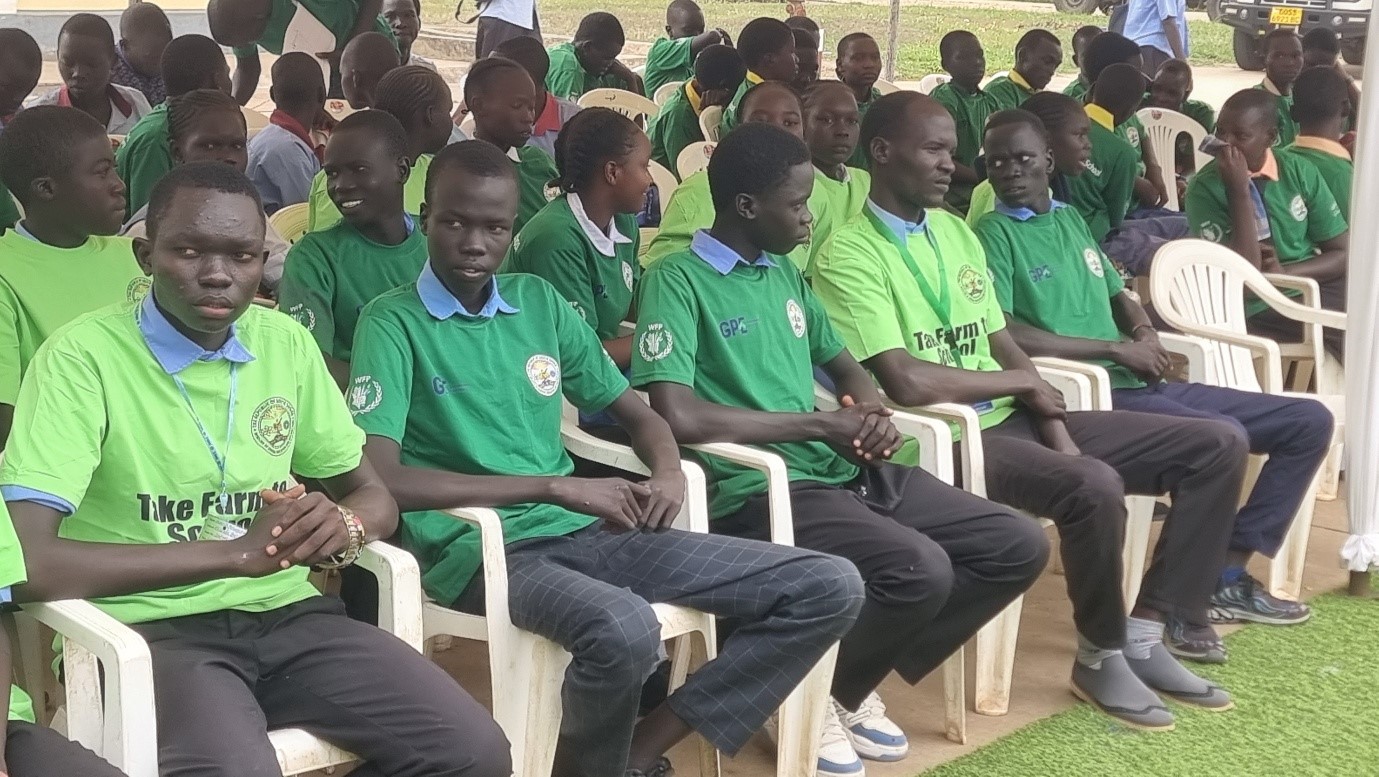
Juba, 10 November 2026 - The Ministry of General Education and Instruction (MoGEI), with support from development partners including the Global Partnership for Education (GPE), the World Food Programme (WFP), the Food and Agriculture Organization (FAO), the International Rescue Committee (IRC), and other stakeholders, officially launched the Take Farms to Schools Initiative, a national effort aimed at ensuring that every child in South Sudan learns on a full stomach.
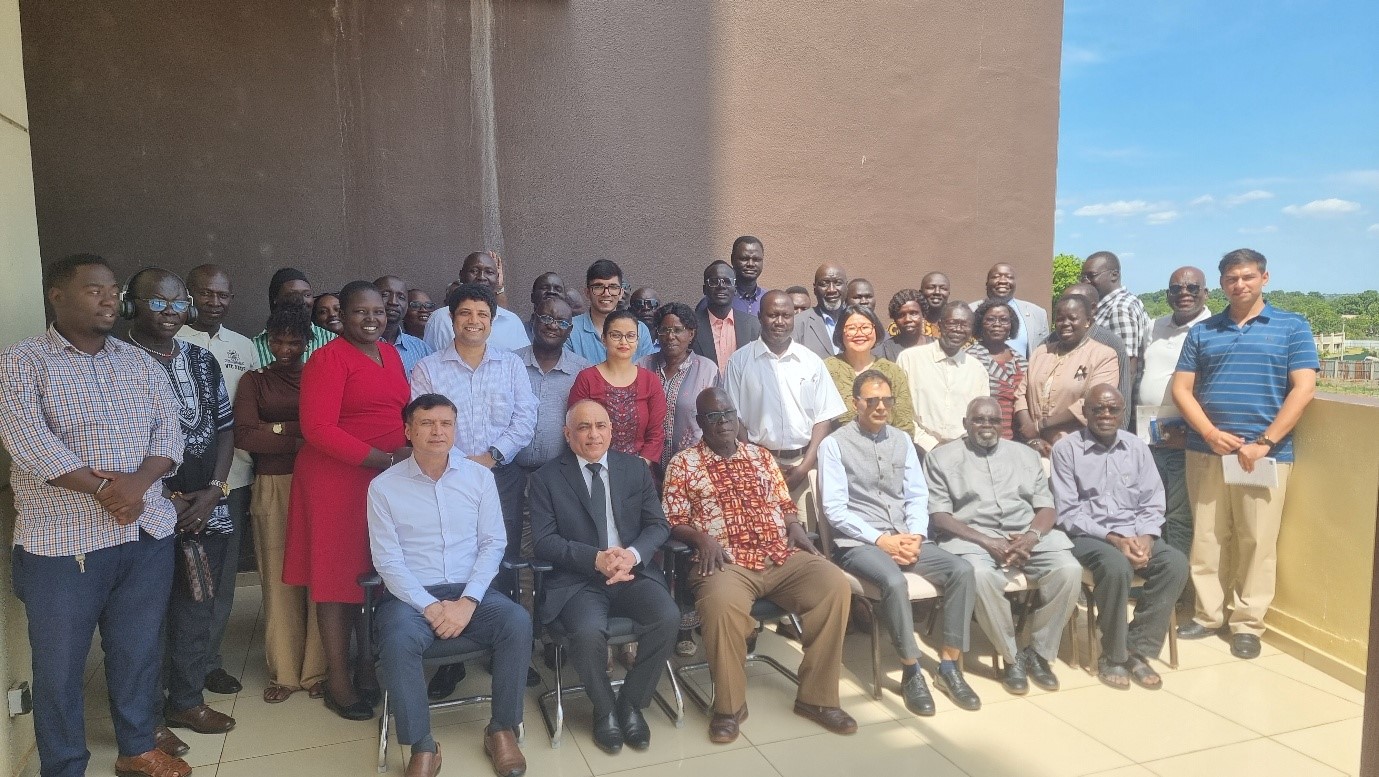
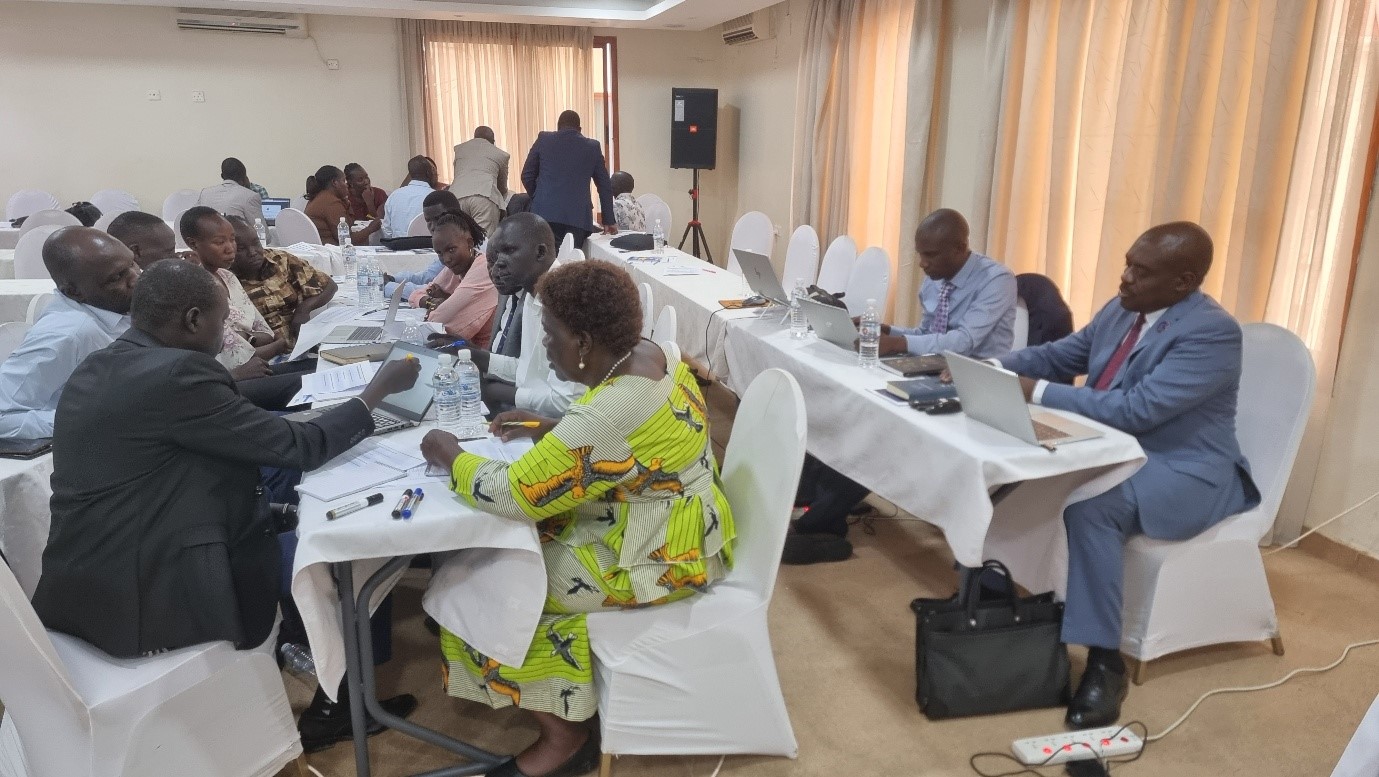
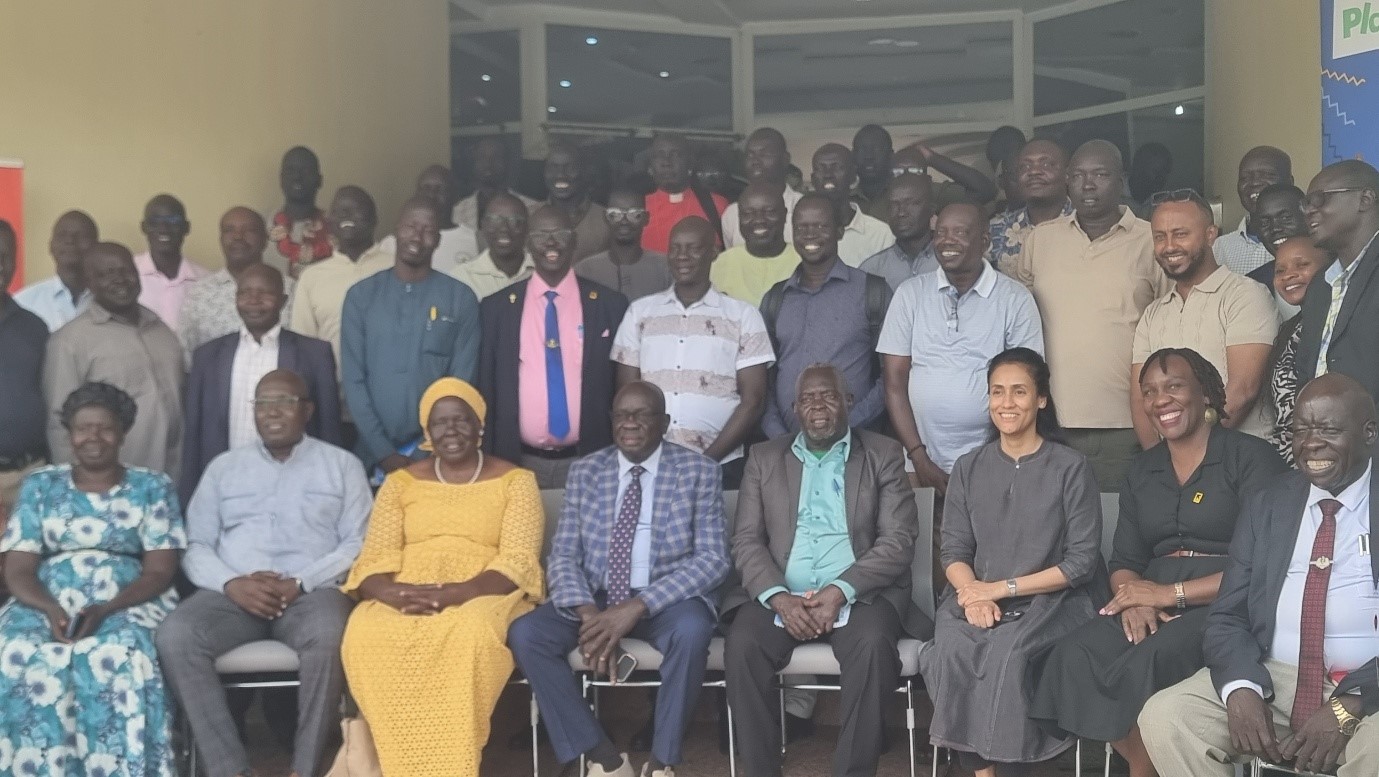
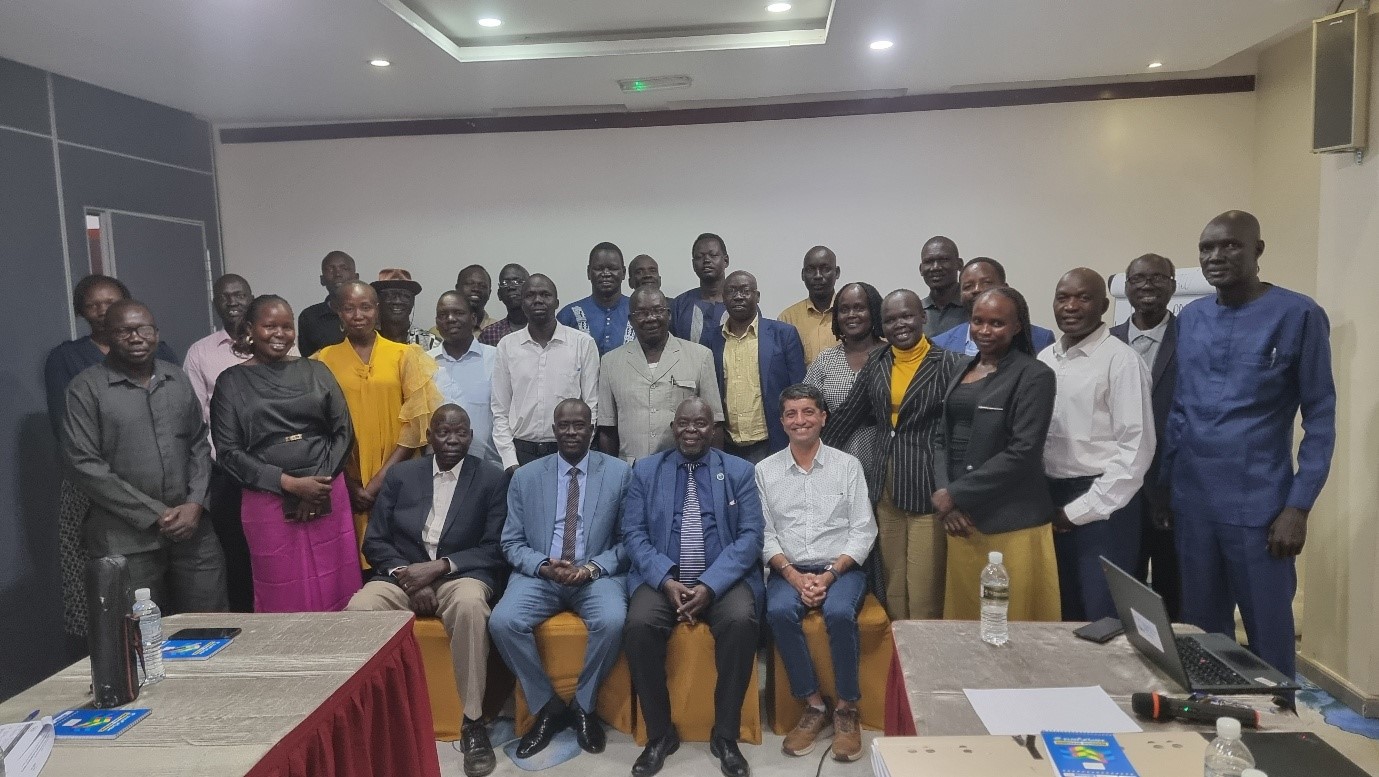
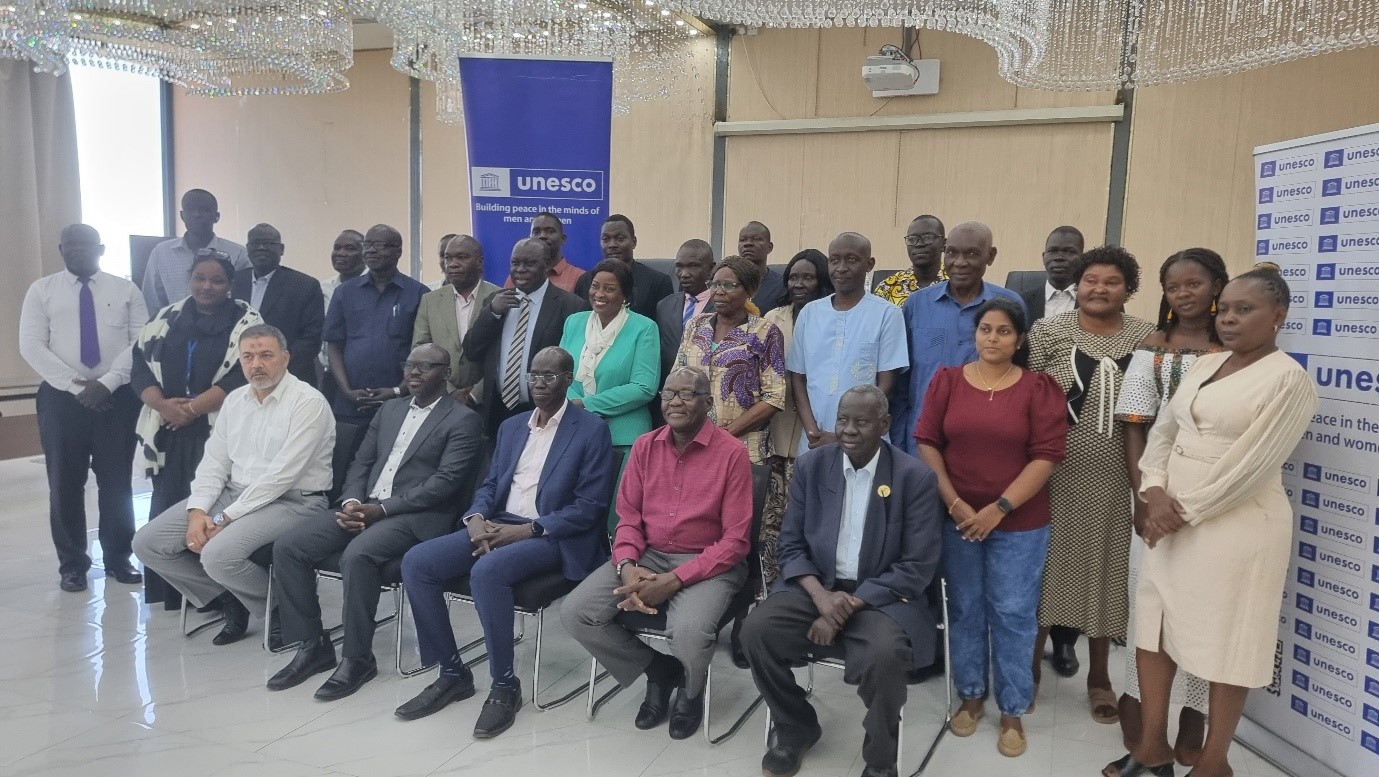
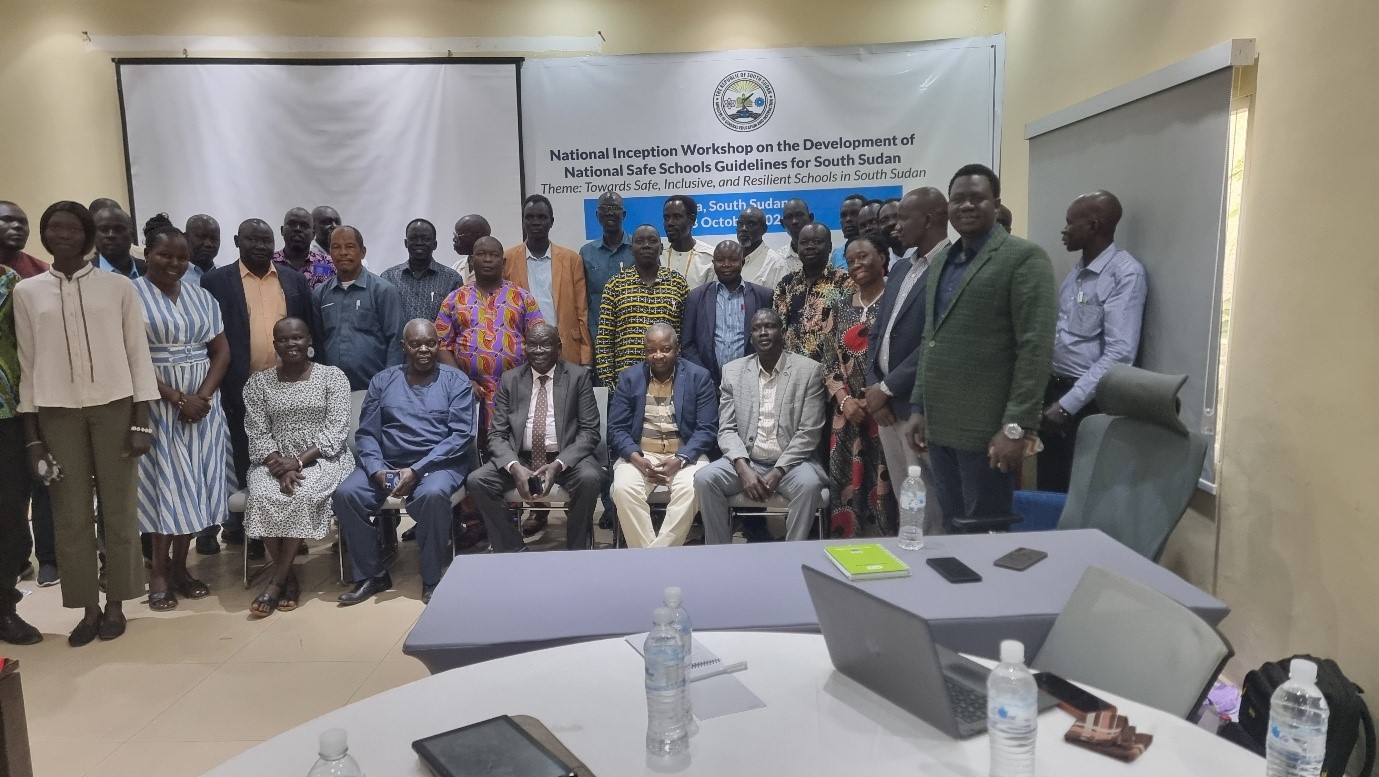
The launch, held under the theme “Every Child Has a Right to a Meal,” brought together government officials, development partners, teachers, parents, learners, and community members to reaffirm their commitment to addressing hunger and improving nutrition in schools.
Speaking at the event, the Acting Undersecretary and Director General, Simon Nyok, said that while school feeding programmes are already benefiting many schools across the country, additional efforts are needed to improve the nutritional quality of meals provided to learners.
“School feeding programmes are already reaching many schools across the country, but providing food alone is not enough. Schools should establish farms and gardens that can supplement meals with nutritious produce and contribute to the overall health and well-being of learners,” he said.
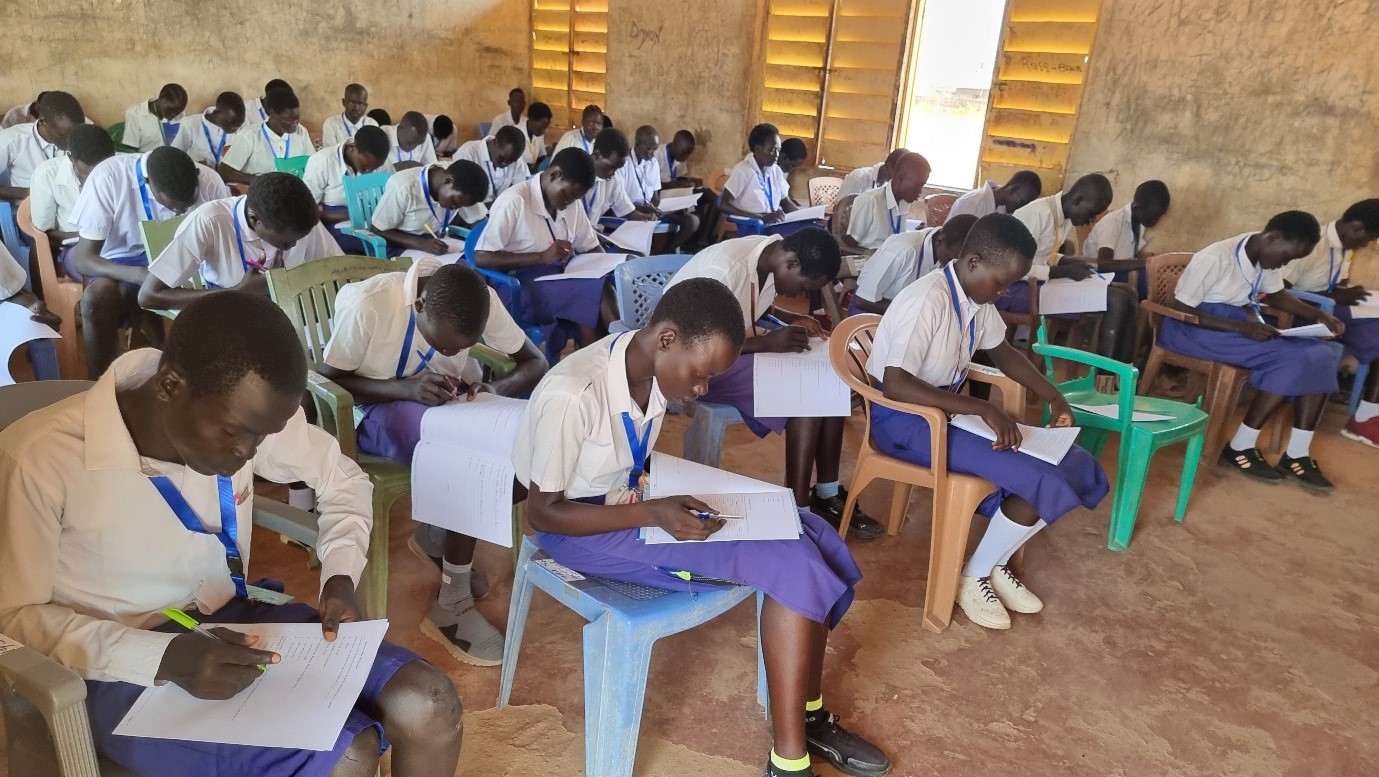
Mr. Nyok noted that hunger remains one of the major barriers to education, forcing some children to leave school during the day in search of food and, in some cases, never return. “Today, we must commit ourselves as a country, as communities, and as schools to work together for the betterment of our children and their health as they pursue their education,” he added.
The Director of the Executive Support Office and Coordinator of the MYRP Secretariat at the Ministry of General Education and Instruction, Rob Ojok, called on all stakeholders to support the initiative and work collectively towards ensuring that every child has access to a meal at school.
“Our appeal to every stakeholder is to support the successful implementation of this initiative. Together, we must work tirelessly until every child in school has access to a meal,” he said.
Mr. Ojok emphasized the critical role of school feeding in improving enrolment, attendance, and learner retention, particularly in communities affected by crisis.
“Food in schools is central to enrolment and retention. Many learners drop out because they are unable to access a meal while at school, making it difficult for them to concentrate on learning. I appeal to all partners and stakeholders to work together to ensure the success of this project and achieve its intended objectives,” he said.
Food and Agriculture Organization (FAO) reaffirmed the organization's commitment to supporting South Sudan's agricultural development agenda and promoting sustainable food production.
FAO representative noted that South Sudan possesses vast agricultural potential that remains largely underutilized and encouraged increased cultivation of productive land to boost food security.
“This is the right time to utilize our land resources. Increasing land under cultivation will significantly improve food production and contribute to national food security,” the representative said.
The World Food Programme (WFP) also reaffirmed its commitment to supporting the government-led Take Farms to Schools and parent engagement initiative, emphasizing that success should be measured by tangible improvements in the lives of children.
“As we conclude today's launch, let us commit ourselves to delivering results. Under the Ministry's leadership, we must coordinate our support, address challenges early, and work together at national, state, county, and community levels to ensure the initiative succeeds,” said Martin Ahimbisibwe, WFP Head of Human Capital Development (Nutrition and School-Based Programmes).
Meanwhile, the International Rescue Committee (IRC) pledged to collaborate with the Ministry and other partners to promote school-based food production.
Speaking on behalf of IRC, Alira William described the initiative as an important opportunity to strengthen school feeding programmes through locally produced food.
“This is a very important project. IRC is pleased to join the Ministry and other partners in ensuring that schools produce food to support learners and achieve the objectives of this initiative,” he said.
The Take Farms to Schools Initiative encourages every school to establish a farm and a garden to supplement school meals, improve nutrition, and enhance food security for learners. The initiative promotes self-reliance and contributes to the long-term sustainability of school feeding programmes across South Sudan.
Funded by the Global Partnership for Education (GPE), the current phase of the project targets 82 schools across all states and administrative areas of South Sudan. The initiative is being implemented through close collaboration between the Government of South Sudan and its development partners to strengthen school feeding, improve learner retention, and enhance education outcomes nationwide.
Comment
Leave a comment