-
 Ministries, Juba, South Sudan
-
 info@mogei.gov.ss
Opening Hours: Monday to Friday - 8:00AM to 5:00PM
Ministries, Juba, South Sudan
info@mogei.gov.ss


Opening Hours: Monday to Friday - 8:00AM to 5:00PM
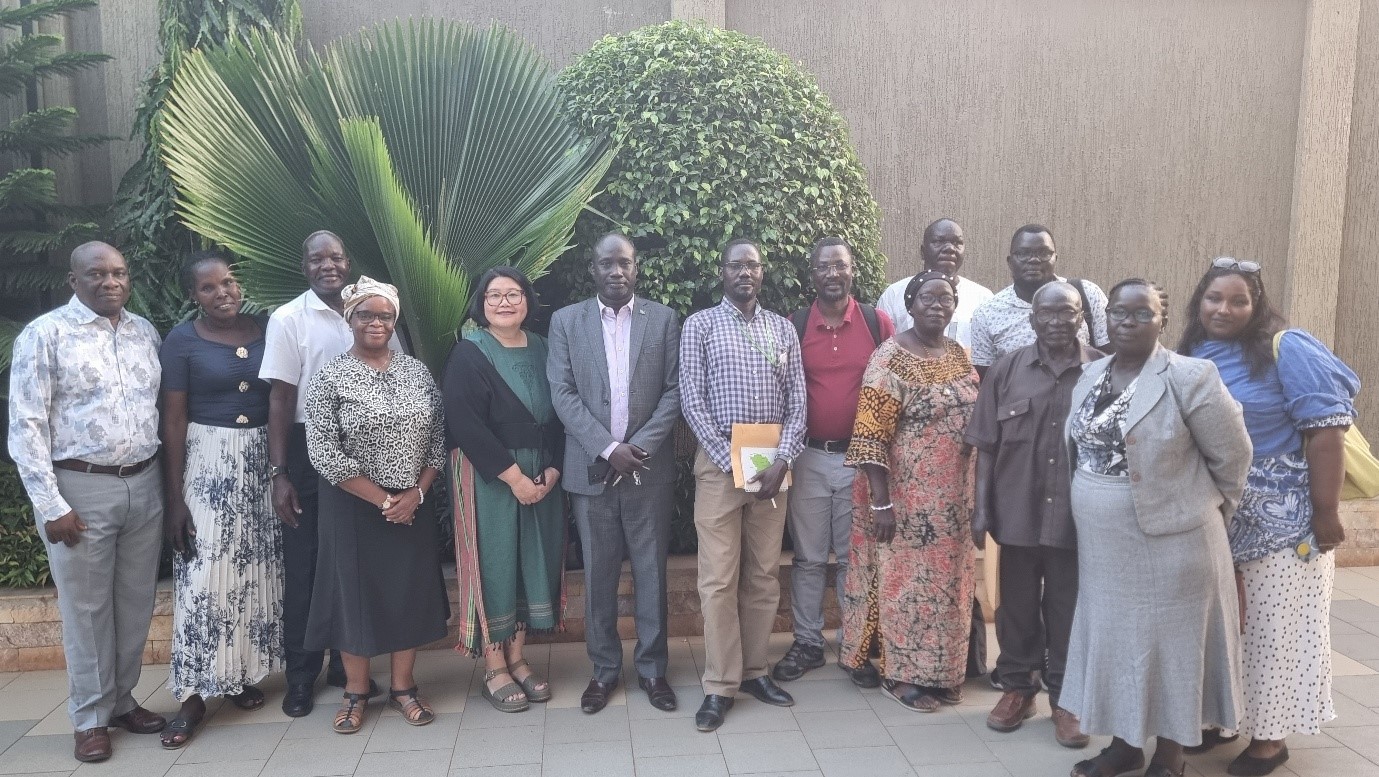
Juba, South Sudan - The Ministry of General Education and Instruction (MOGEI), with support from UNESCO and development partners, has reaffirmed its commitment to strengthening the national education data system to improve planning, accountability, and investment across South Sudan's education sector.
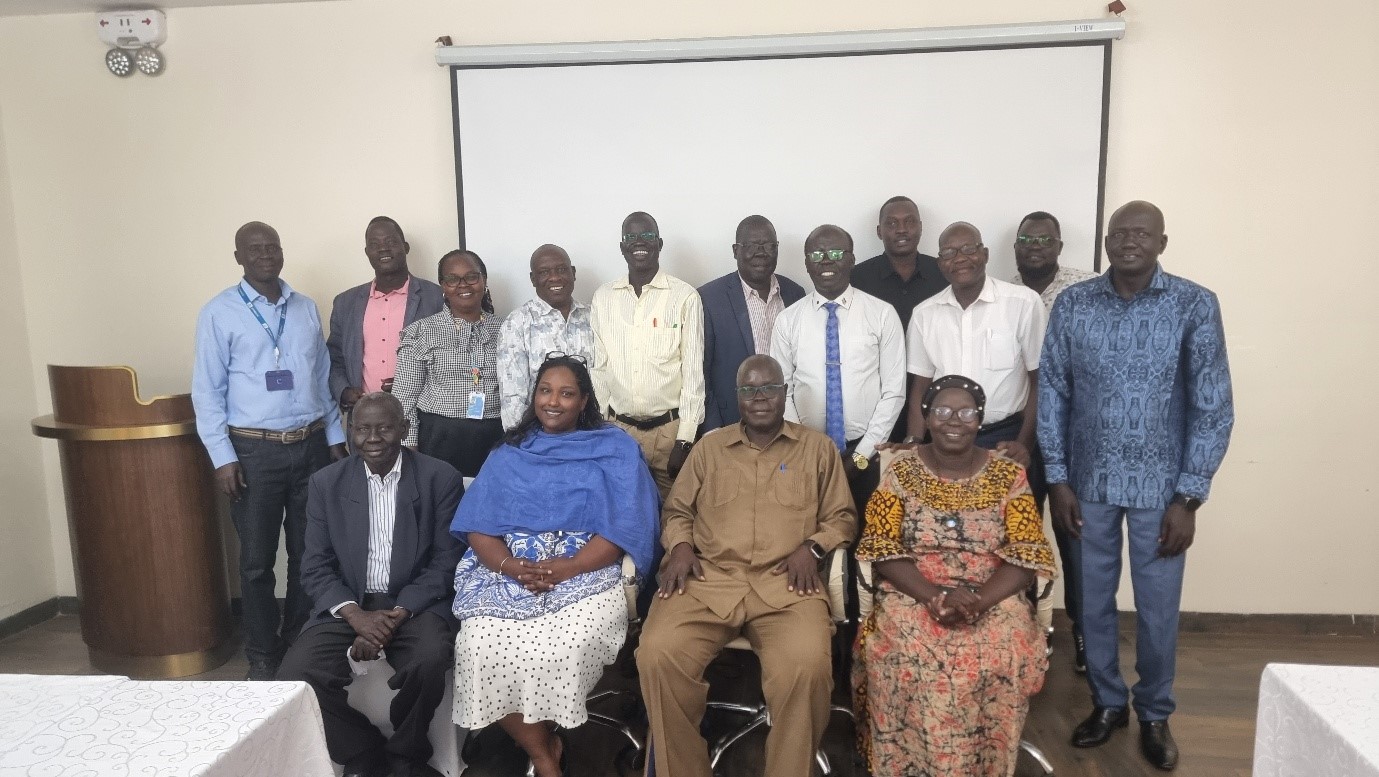
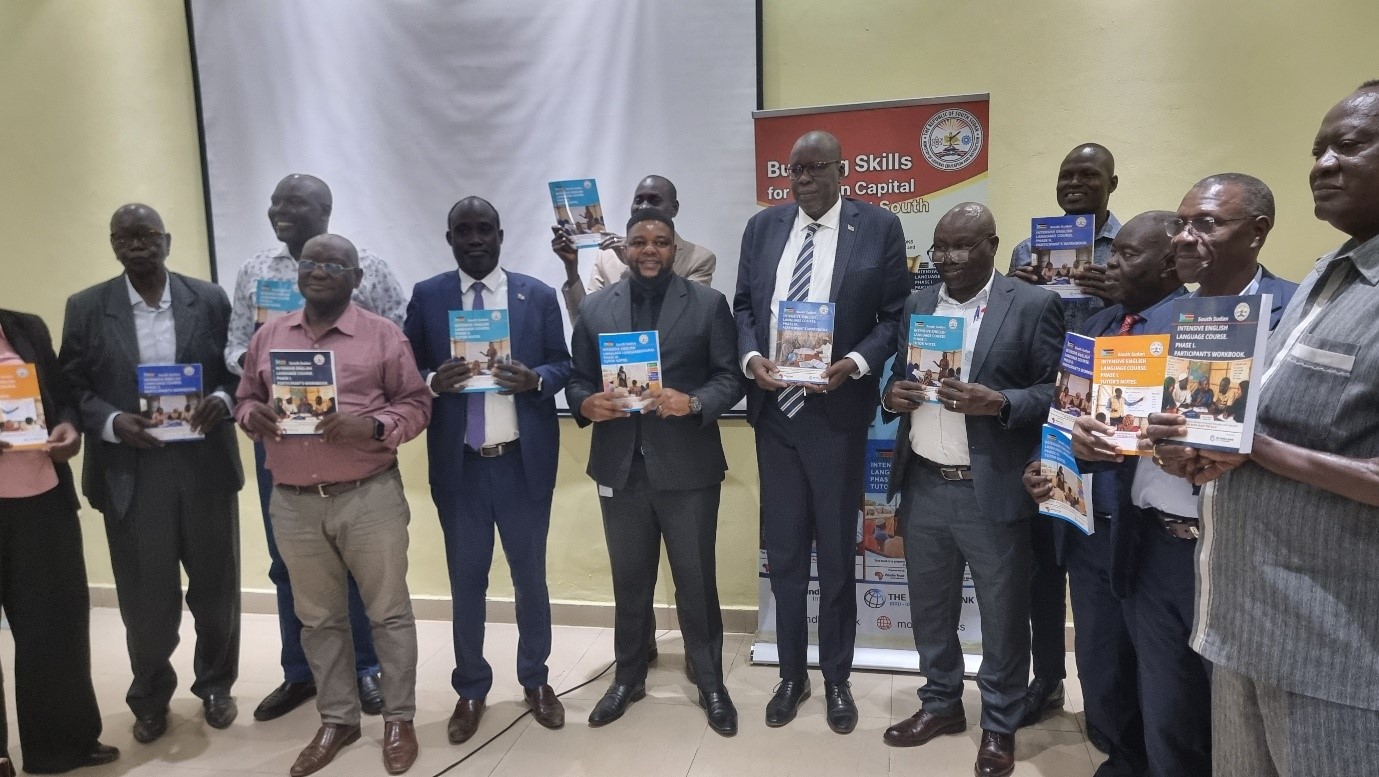
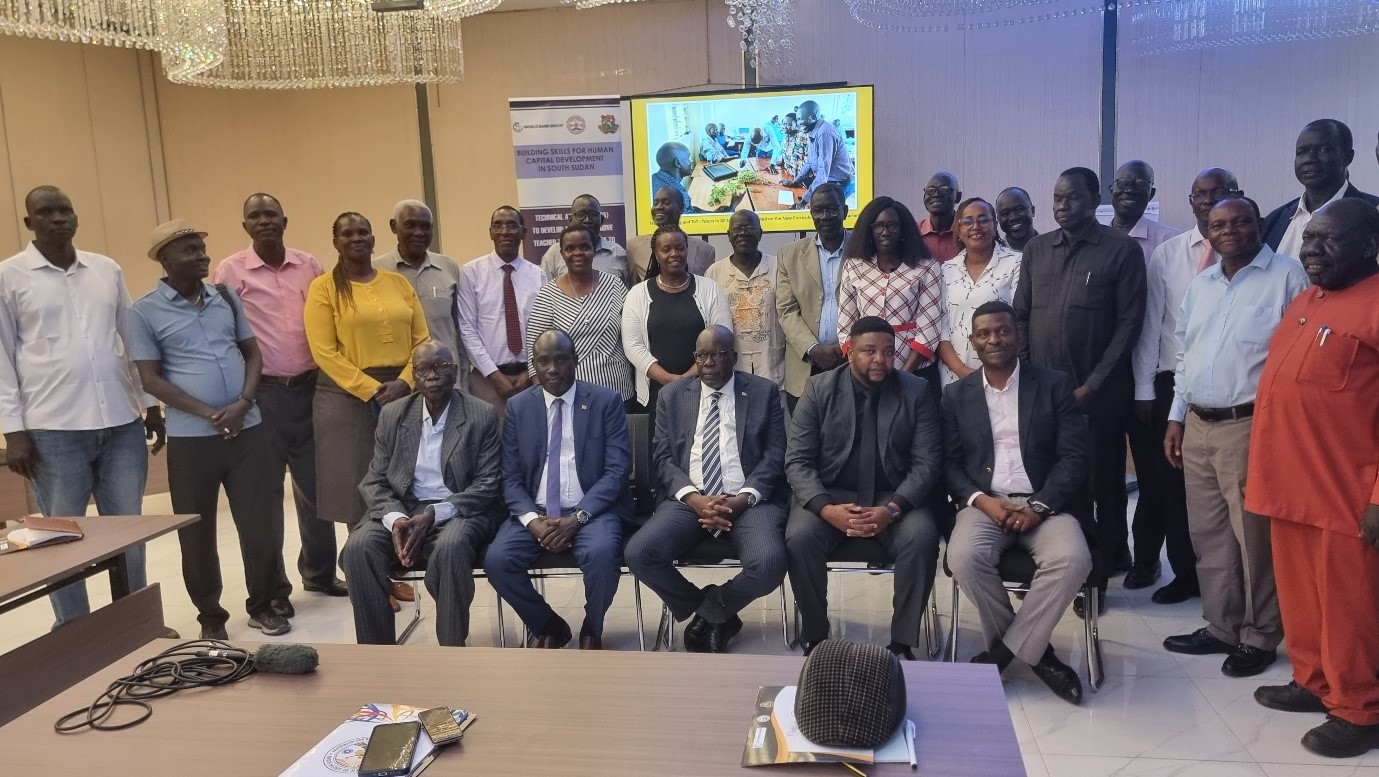
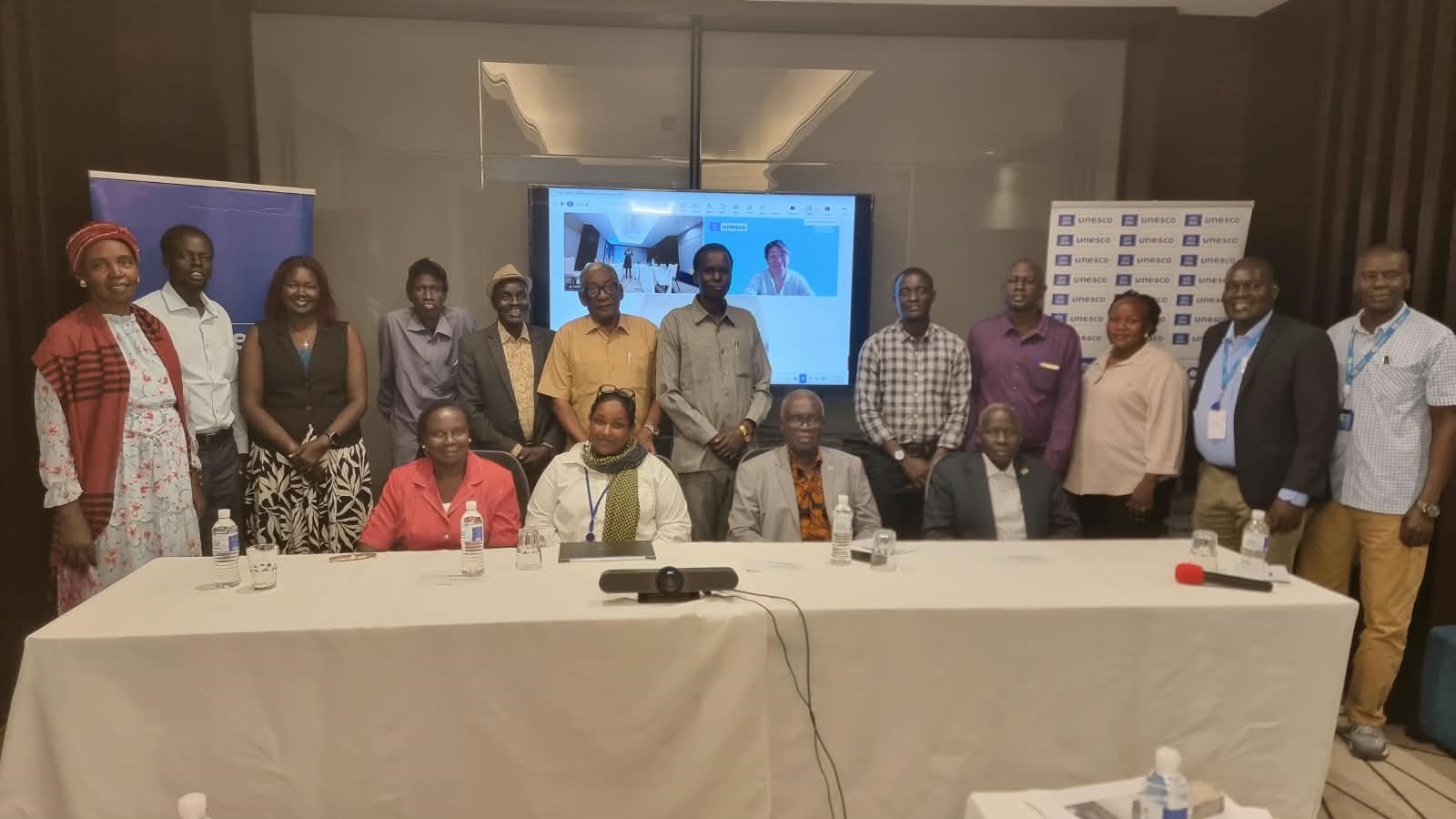
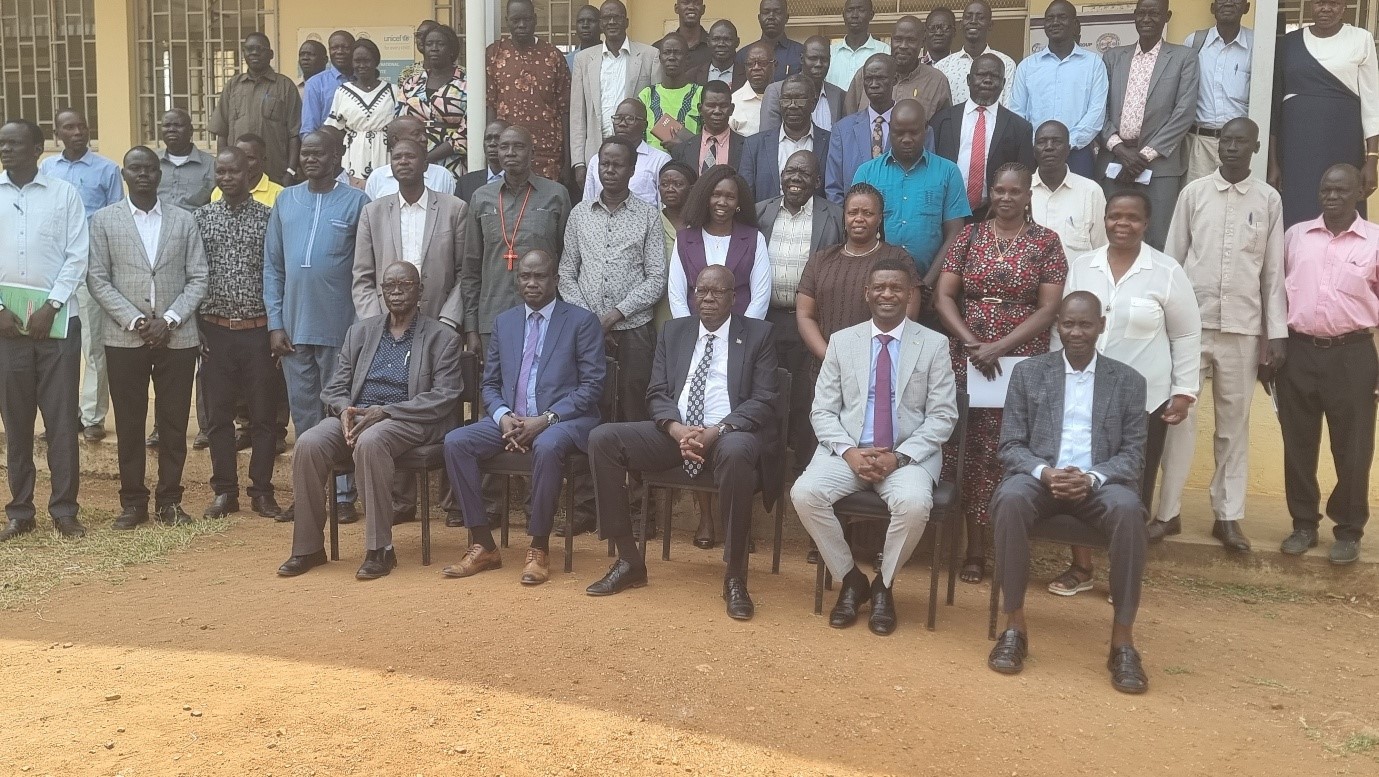
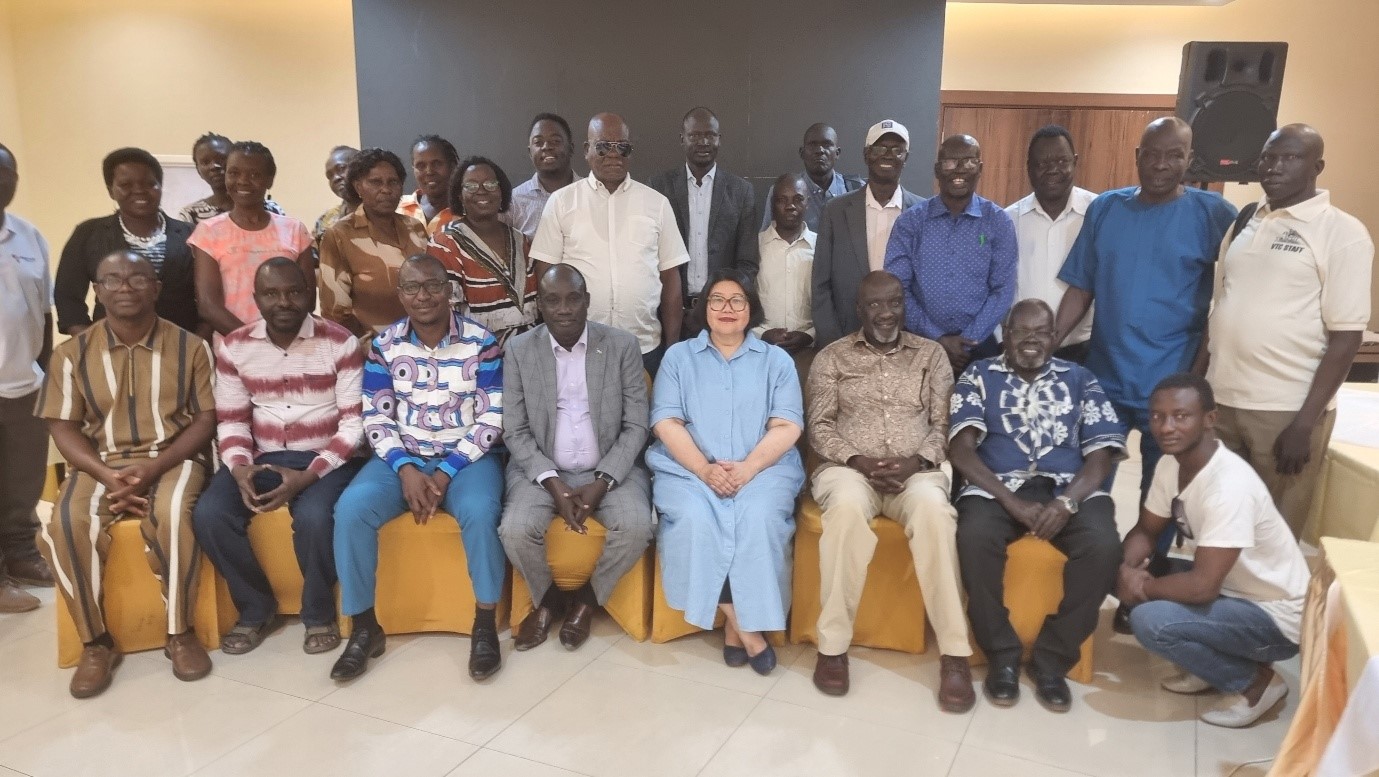
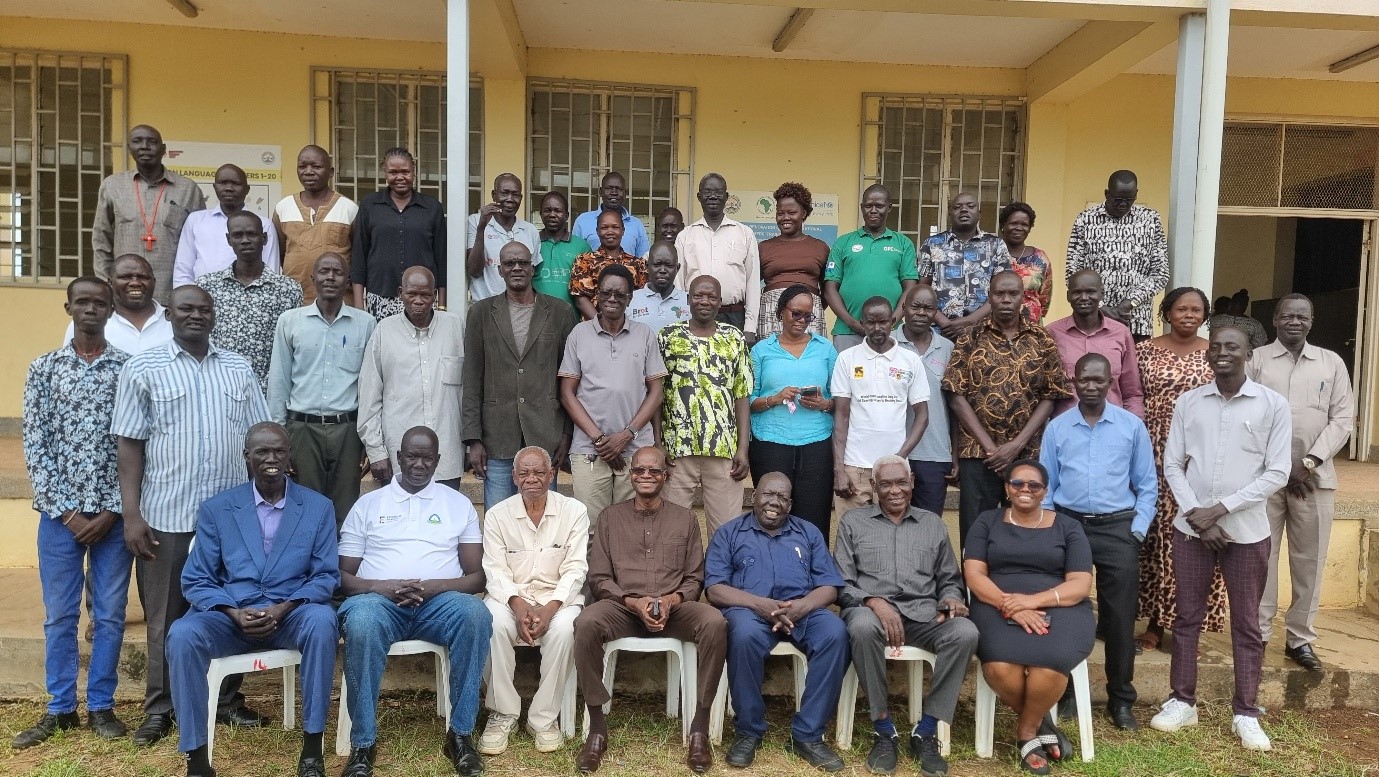
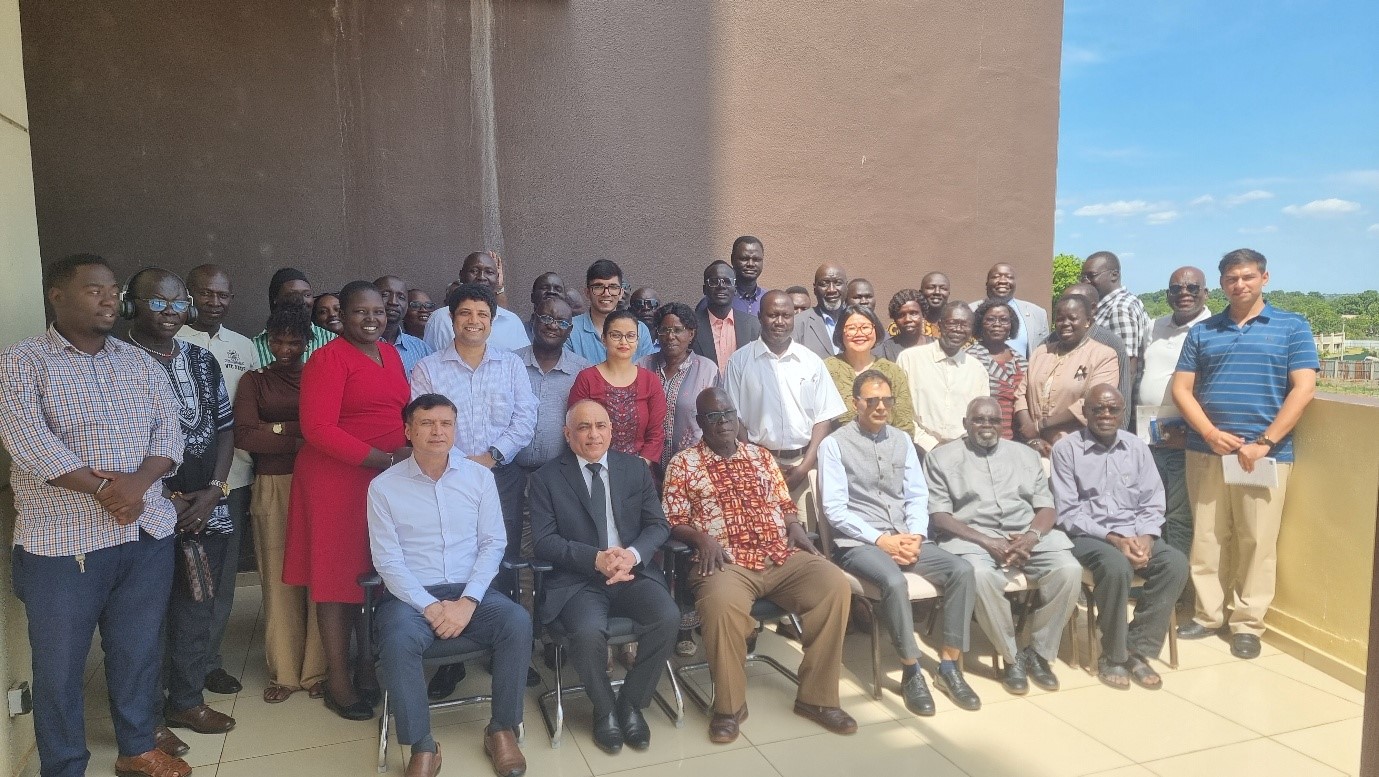
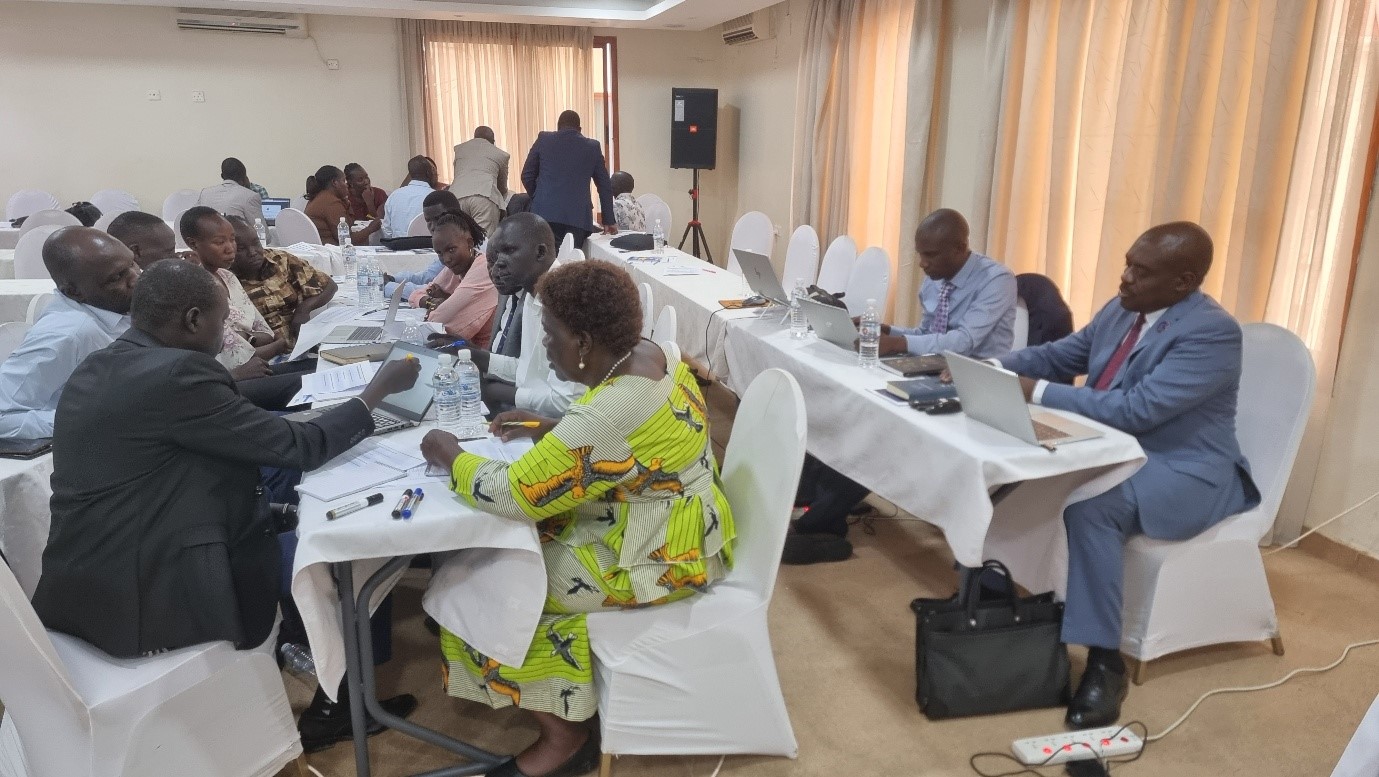
The commitment was underscored during a high-level consultative meeting in Juba that brought together representatives from MOGEI, the Ministry of Higher Education, Science and Technology, the National Examination Council, Technical and Vocational Education and Training (TVET) institutions, and development partners including UNESCO, UNICEF, Save the Children, and the Norwegian Refugee Council (NRC).
Participants emphasized the importance of building a unified national education management information system that serves as a central repository for education data across the sector. The system is intended to provide policymakers, institutions, and development partners with reliable information on school performance, learning outcomes, infrastructure needs, teacher deployment, and resource requirements.
Speaking at the meeting, UNESCO reaffirmed its support for the initiative, noting that the system is designed not only to collect and store information but also to generate evidence that informs policy development, strategic planning, and investment decisions.
The meeting highlighted the need for all education subsectors, including TVET, Alternative Education Systems (AES), and formal education institutions, to report data through the national system. Stakeholders agreed that a unified platform would strengthen coordination while allowing individual programmes and partners to continue implementing their specific interventions.
Strengthening TVET Reporting and Certification In his closing remarks, Director General Simon Nyok, representing the Undersecretary, emphasized the importance of strengthening the Skills and Technical Vocational Education and Training Management Information System (STVET-MIS).
He called on development partners and implementing organizations to deliver skills training through accredited and recognized institutions to ensure the credibility and future verification of certificates issued to graduates.
According to Mr. Nyok, certificates obtained through informal or temporary training arrangements can present significant challenges when graduates seek authentication for employment, further education, or migration purposes. Conducting training through recognized institutions helps safeguard learners and ensures that qualifications remain verifiable long after projects have ended.
He further stressed the importance of timely reporting by institutions, noting that reporting requirements are mandated by law and are linked to government funding and operational support.
While acknowledging the operational challenges faced by many institutions, he encouraged education providers to strengthen compliance with reporting obligations to improve accountability and align national practices with international standards.
Data-Driven Planning for Education Development MOGEI emphasized that reliable education data is essential for identifying sector priorities and guiding investments in infrastructure, teaching personnel, learning resources, and learner support services.
The Ministry noted that the national system is being implemented gradually, with additional states, counties, and training centres being integrated over time. This phased approach is intended to ensure data quality, strengthen reporting mechanisms, and support evidence-based decision-making at all levels of the education system.
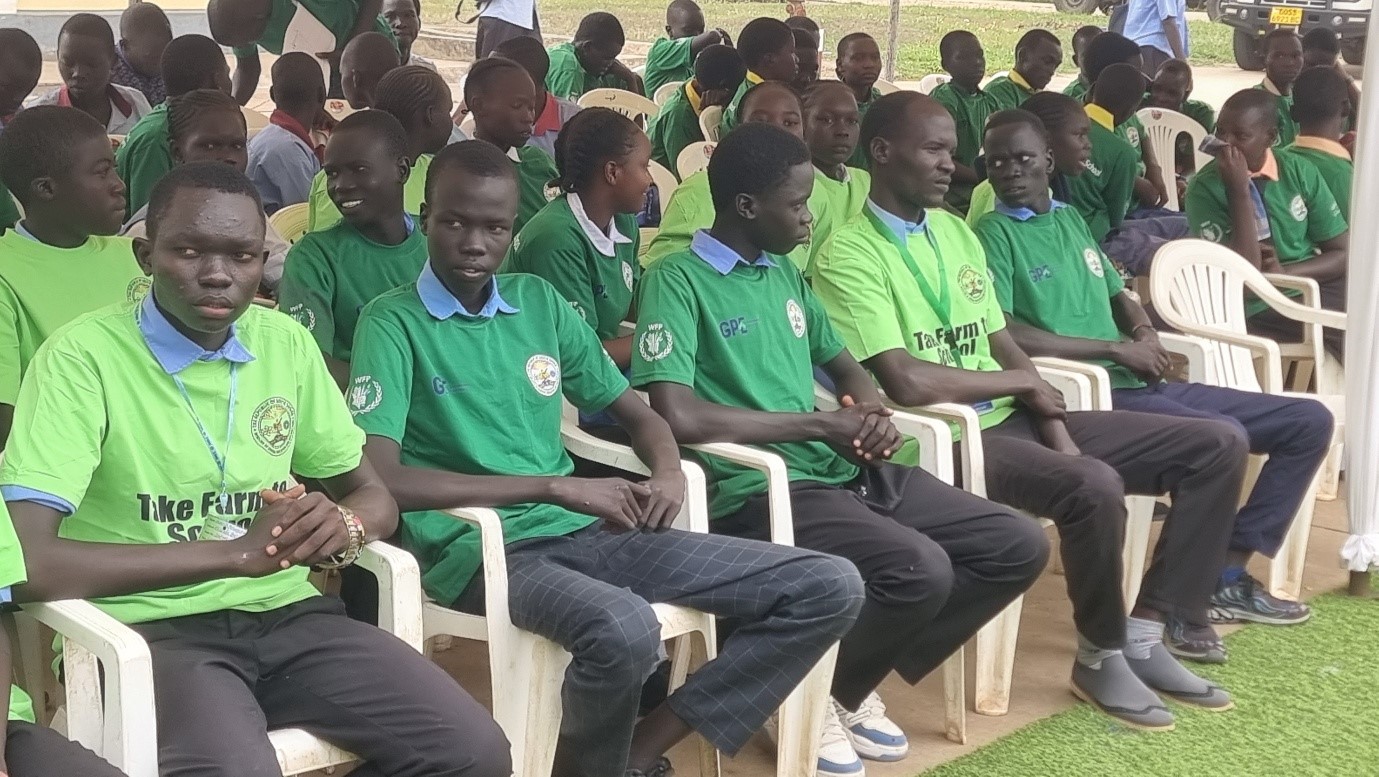
Participants also recognized the critical role of skills development in promoting self-reliance among young people. Expanding access to quality technical and vocational training was highlighted as a key government priority for improving employment prospects and supporting national development.
In addition, the meeting welcomed ongoing efforts to strengthen and modernize curricula to enable learners to progress to higher levels of education and acquire competencies that respond to labour market demands.
Way Forward The Ministry will continue expanding the national education data system to additional institutions and locations while strengthening reporting compliance and data quality assurance.
Information generated through the system will be used to guide policy formulation, resource allocation, and strategic investments in learners, teachers, infrastructure, and skills development programmes across South Sudan.
MOGEI expressed its appreciation to UNESCO, UNICEF, Save the Children, NRC, and other development partners for their continued support in strengthening education management systems and advancing quality education for all learners in South Sudan.
Comment
Leave a comment