-
 Ministries, Juba, South Sudan
-
 info@mogei.gov.ss
Opening Hours: Monday to Friday - 8:00AM to 5:00PM
Ministries, Juba, South Sudan
info@mogei.gov.ss


Opening Hours: Monday to Friday - 8:00AM to 5:00PM
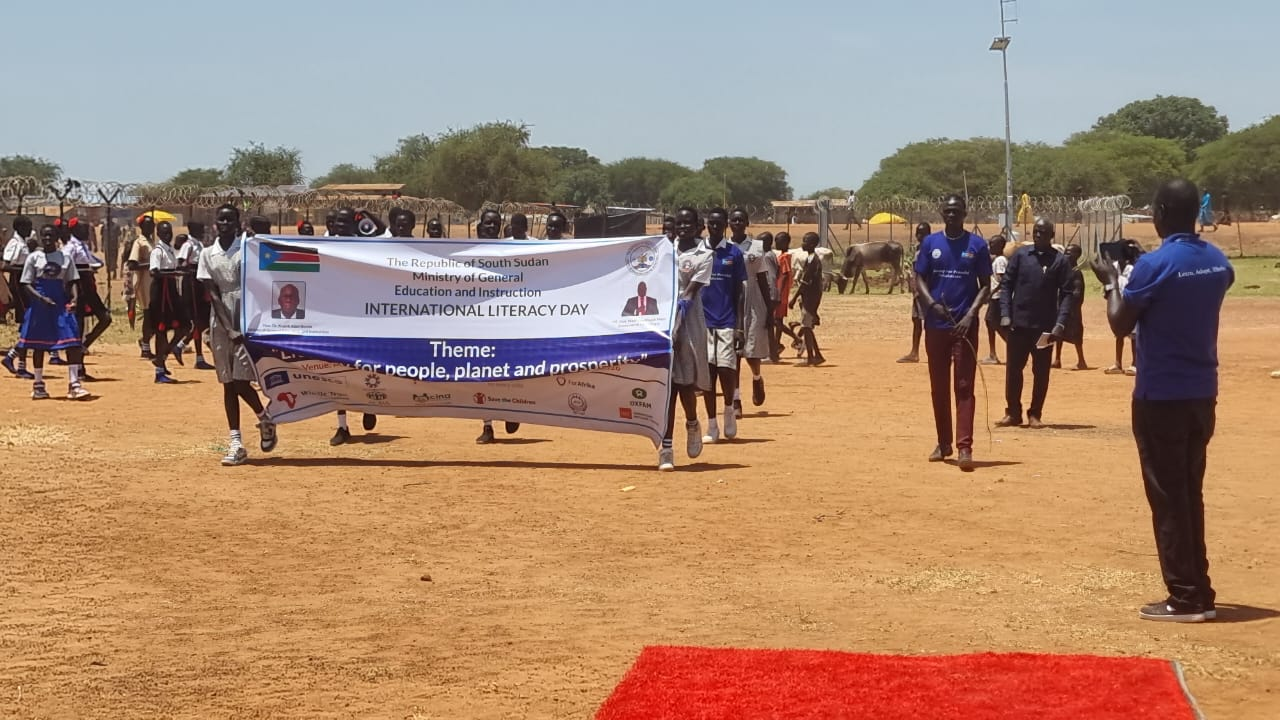
Gulyar, Awerial County, Lakes State | 8 September 2026
The Ministry of General Education and Instruction (MoGEI), together with education partners, joined the global community today in commemorating International Literacy Day 2026 in Gulyar, Awerial County, Lakes State, under the global theme "Literacy for People, Planet, and Prosperity."
Observed annually on 8 September, International Literacy Day highlights the transformative power of literacy in improving lives, strengthening communities, and promoting sustainable development. This year's theme underscores the critical role literacy plays in equipping people with the knowledge and skills needed to thrive, contribute to environmental sustainability, and drive social and economic prosperity.
In South Sudan, the commemoration serves as both a celebration of progress and a call to action. MoGEI is committed to addressing foundational literacy challenges while laying the groundwork for digital inclusion, climate-resilient education systems, and equitable access to quality learning opportunities, particularly in conflict-affected and underserved communities.
This year's celebration places special emphasis on expanding literacy opportunities for children, youth, and adults, with a focus on foundational learning, girls' education, and the use of digital tools to enhance reading and writing skills.
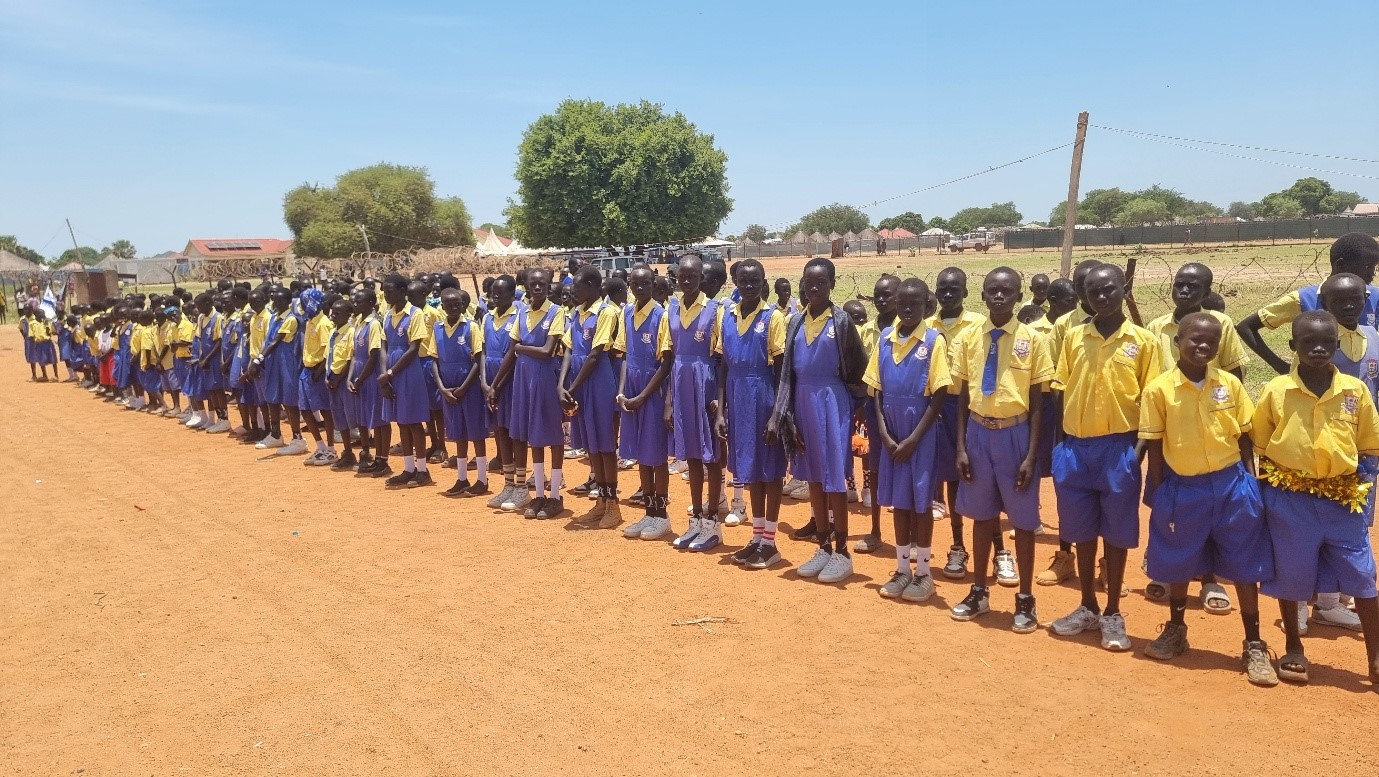
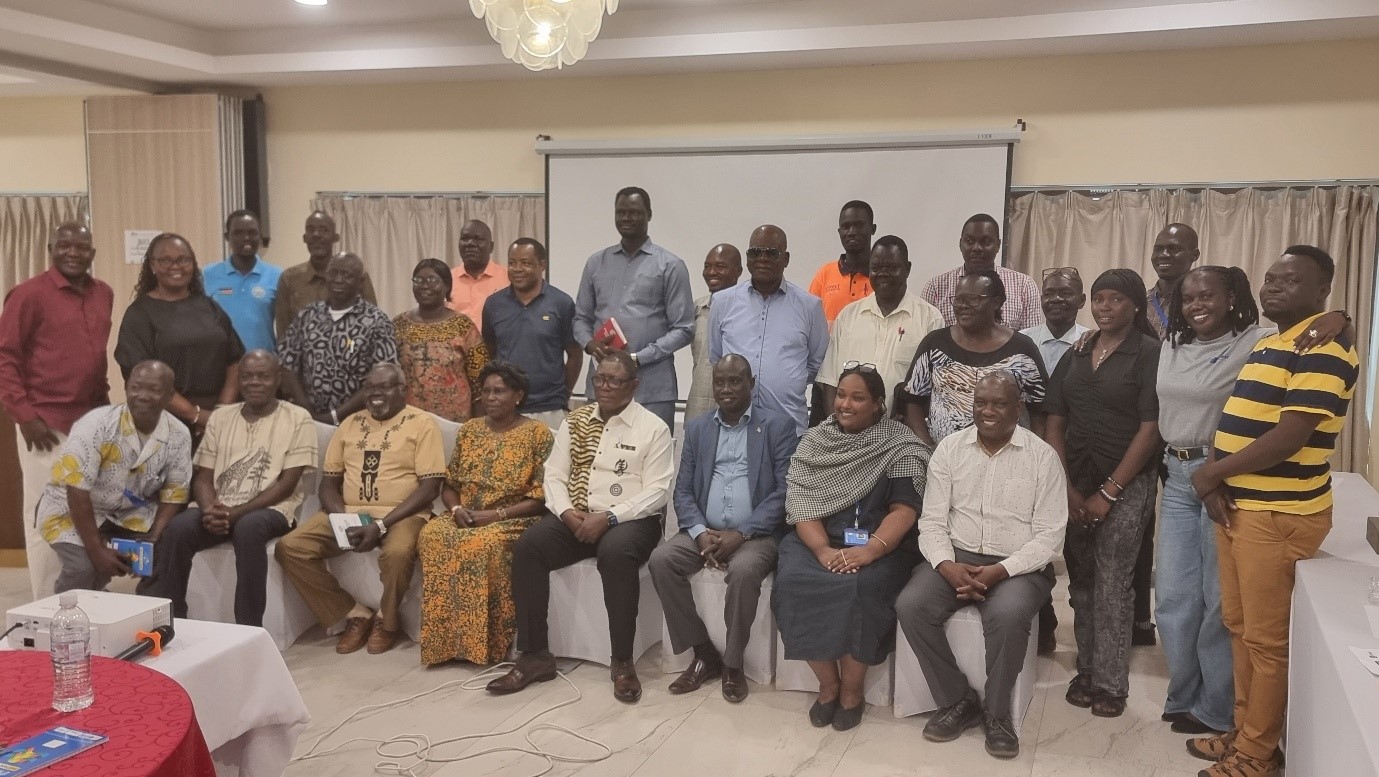
The event in Gulyar brought together national and state government leaders, including ministers and local authorities, alongside learners from 14 schools across Lakes State, teachers, parents, community leaders, and development partners. The celebration featured speeches, drama performances, poetry recitals, and community awareness activities highlighting the value of literacy and lifelong learning.
Despite ongoing efforts to improve education outcomes, South Sudan continues to face significant literacy and education challenges. According to UNESCO, the country has one of the lowest adult literacy rates globally. Recent mapping conducted by MoGEI, UNESCO, and UNICEF indicates that approximately 2.8 million children are out of school, representing the highest number in Sub-Saharan Africa. Most of these children are girls.
Infrastructure constraints remain a major obstacle to learning. Millions of children continue to attend classes under trees or in temporary learning spaces, where severe weather often disrupts teaching and learning activities. At the same time, the shortage of qualified teachers remains a critical concern, with education sector data showing a high proportion of untrained and underqualified teaching personnel across different levels of the education system.
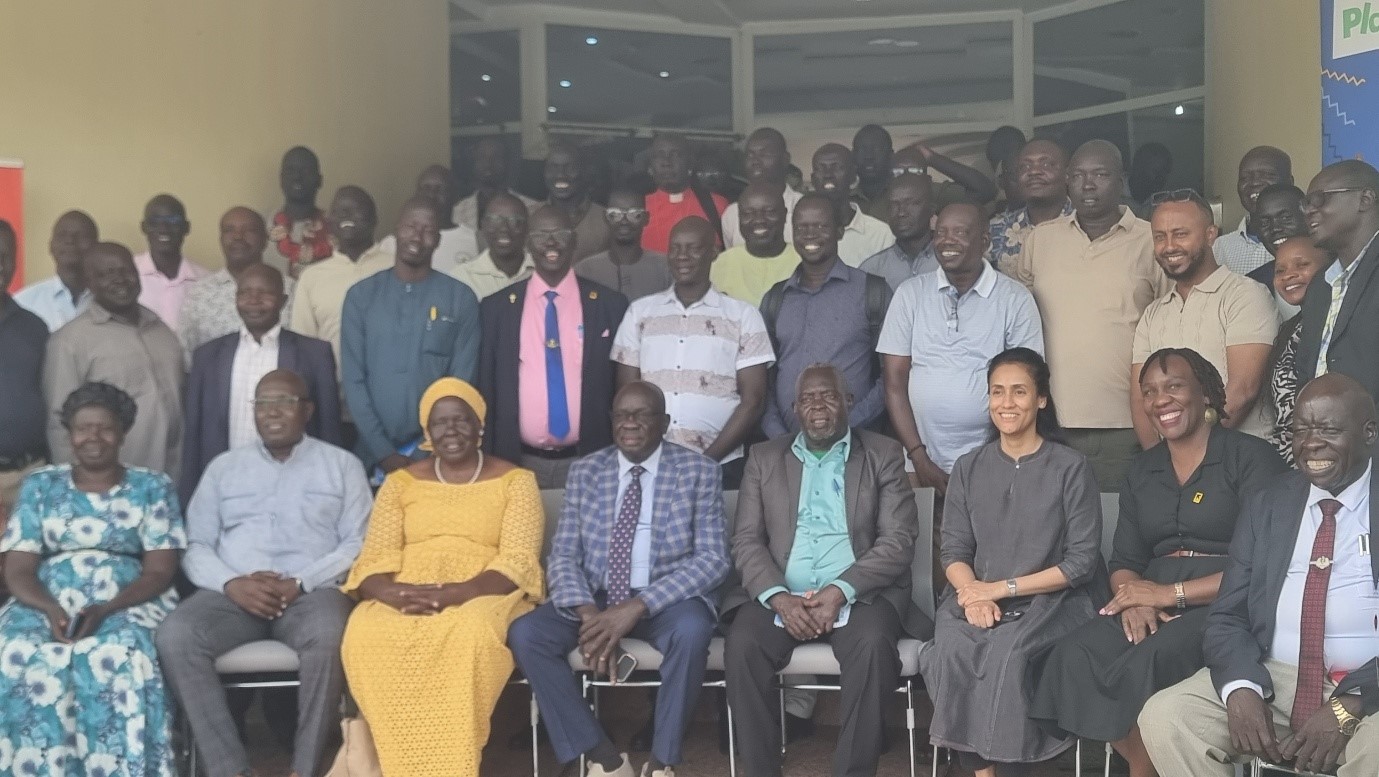
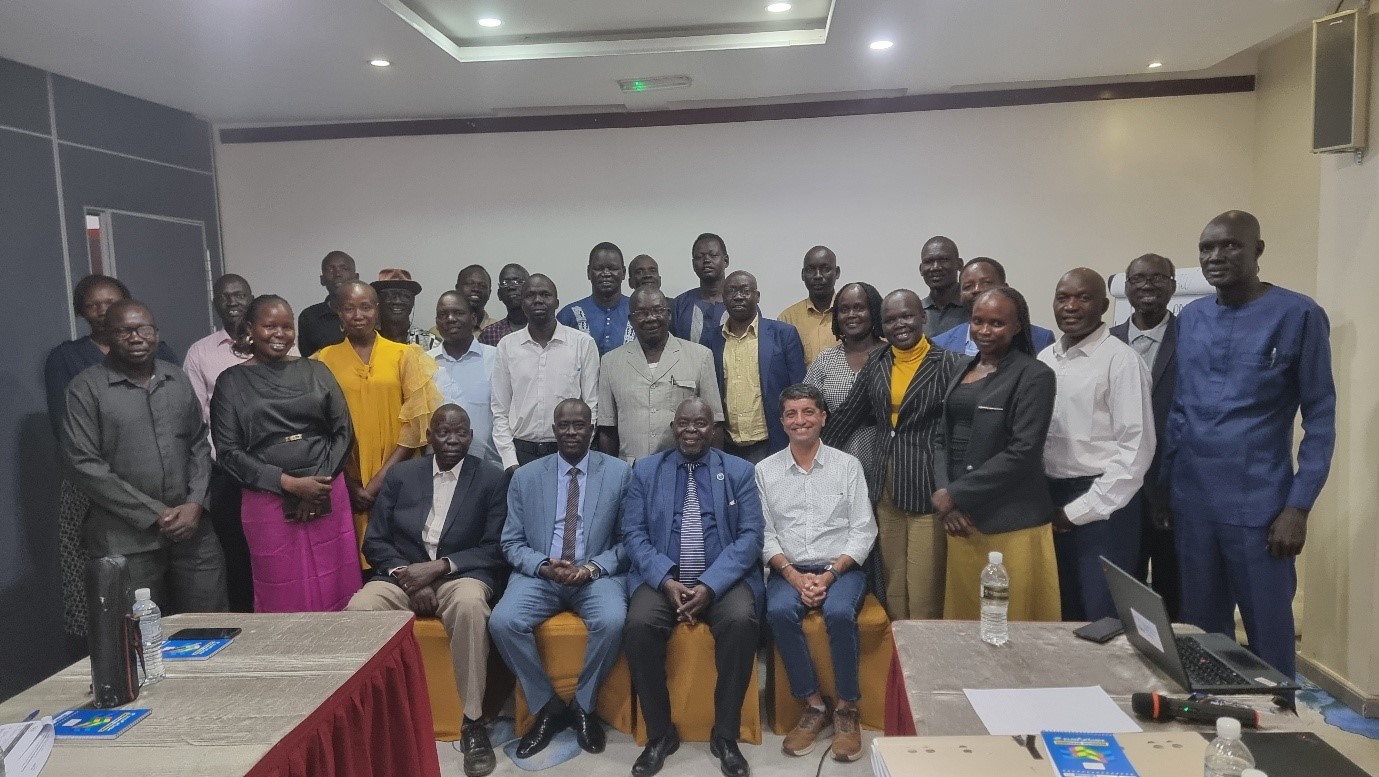
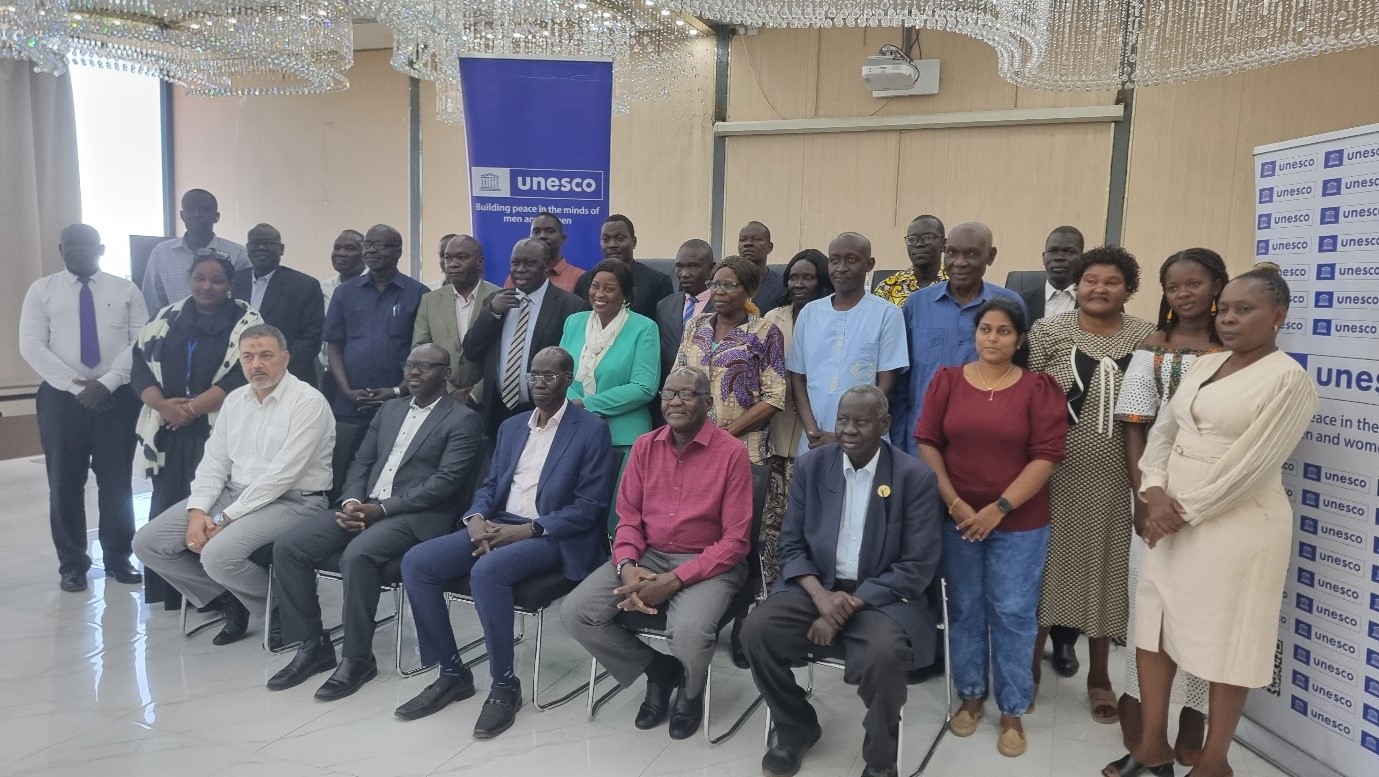
Speaking at the event, education stakeholders reaffirmed their commitment to strengthening literacy programmes, improving learning environments, enhancing teacher capacity, and ensuring that every child has access to quality education.
As South Sudan marks International Literacy Day 2026, the government and its partners call upon communities, educators, development partners, and citizens to work together to ensure that literacy becomes a reality for all. Investing in literacy today is an investment in a more prosperous, inclusive, and sustainable future for the country.
Comment
Leave a comment