-
 Ministries, Juba, South Sudan
-
 info@mogei.gov.ss
Opening Hours: Monday to Friday - 8:00AM to 5:00PM
Ministries, Juba, South Sudan
info@mogei.gov.ss


Opening Hours: Monday to Friday - 8:00AM to 5:00PM
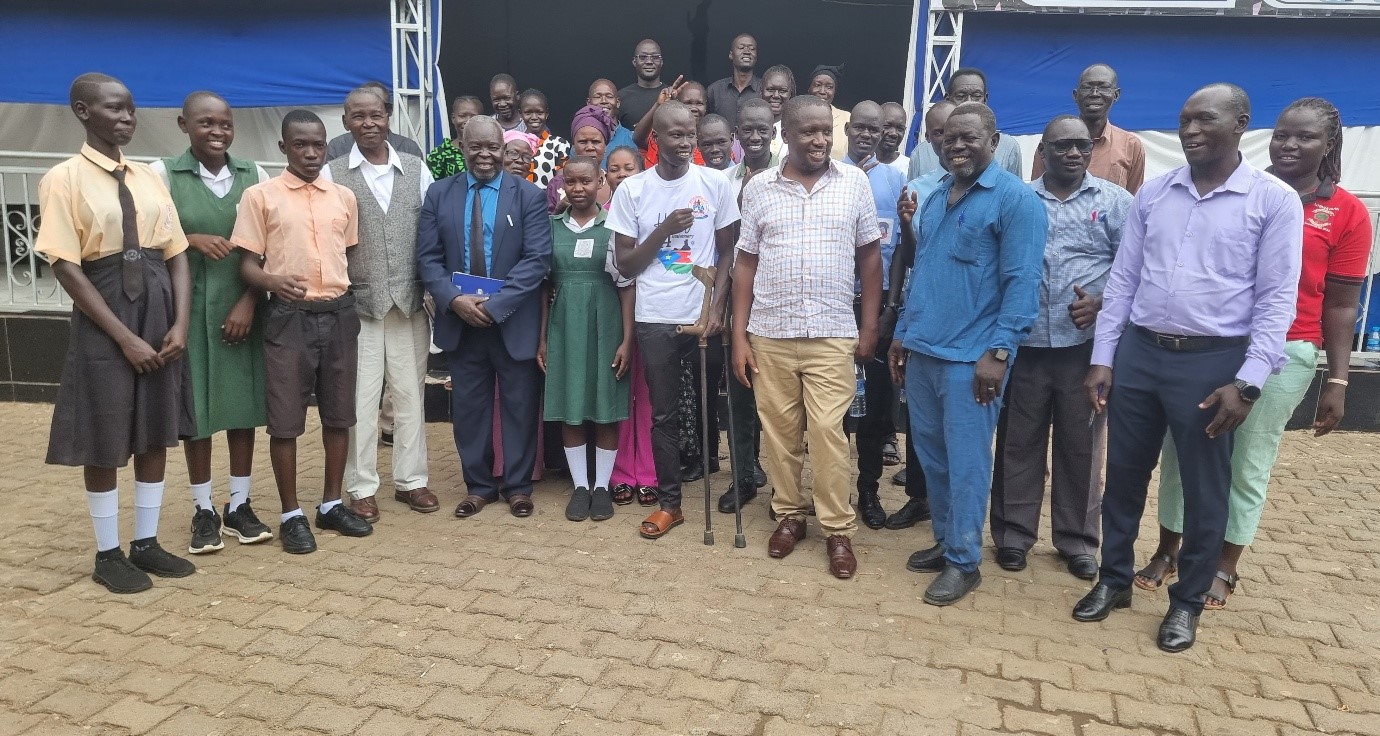
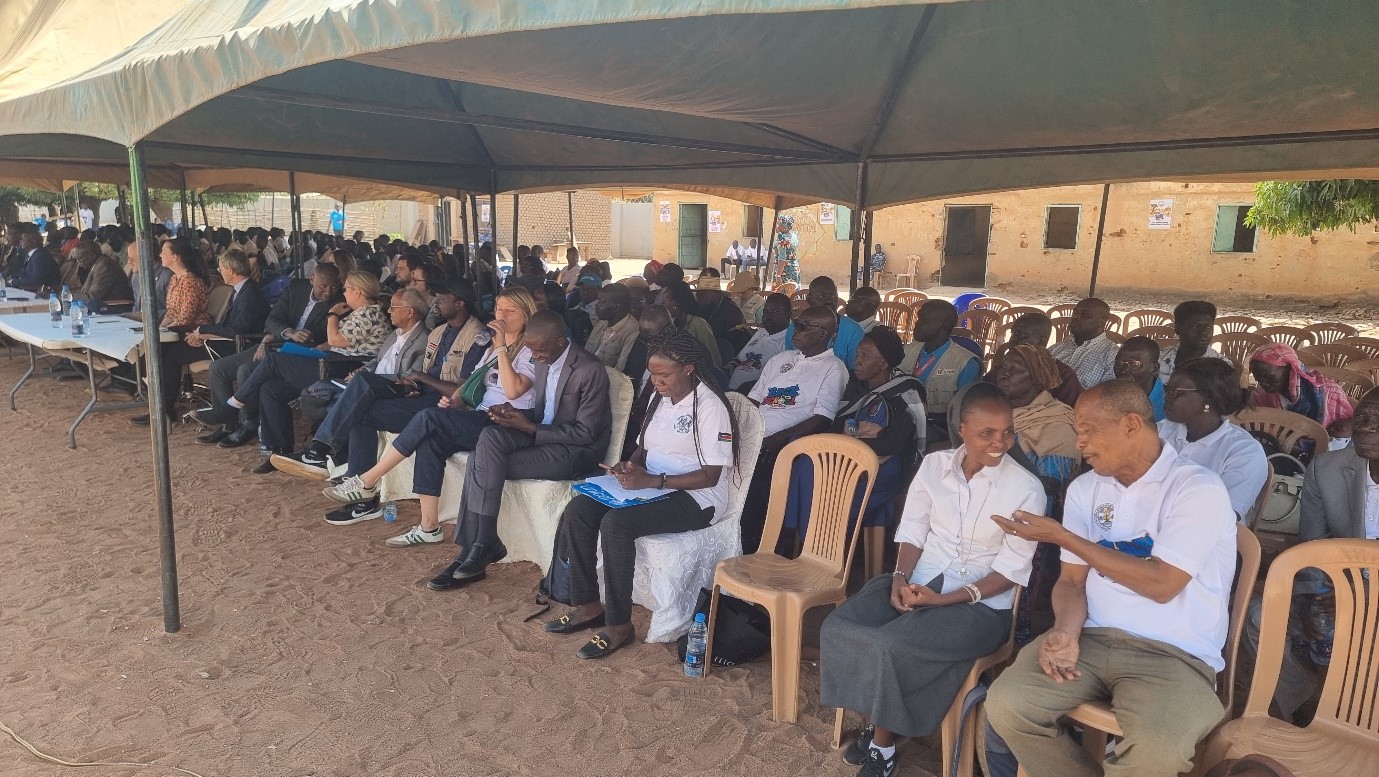
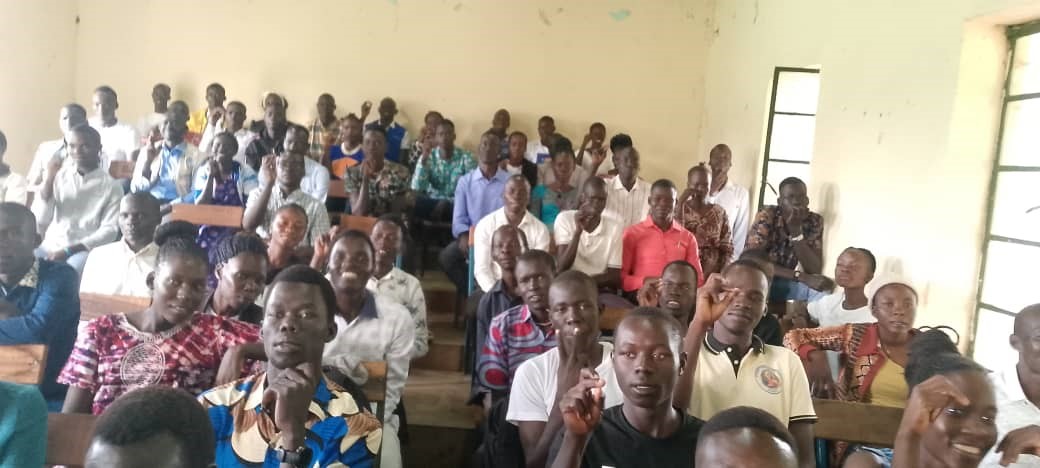
Efforts to improve education in South Sudan are increasingly recognizing the important role that parents, communities, and local food production play in supporting children's learning. In line with this vision, a one-day training on Parent Engagement and Home-Grown School Feeding was conducted in Juba, bringing together teachers, parents, learners, and community representatives to explore practical ways of strengthening schools and improving educational outcomes.
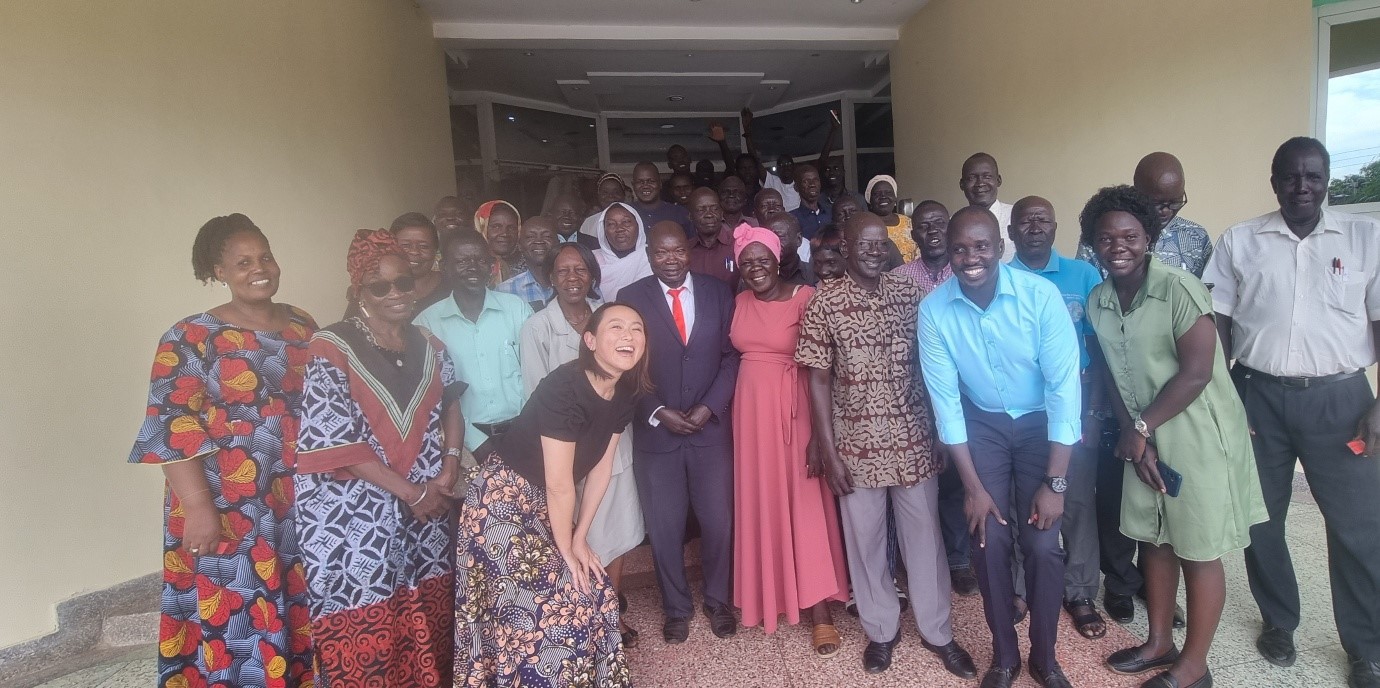
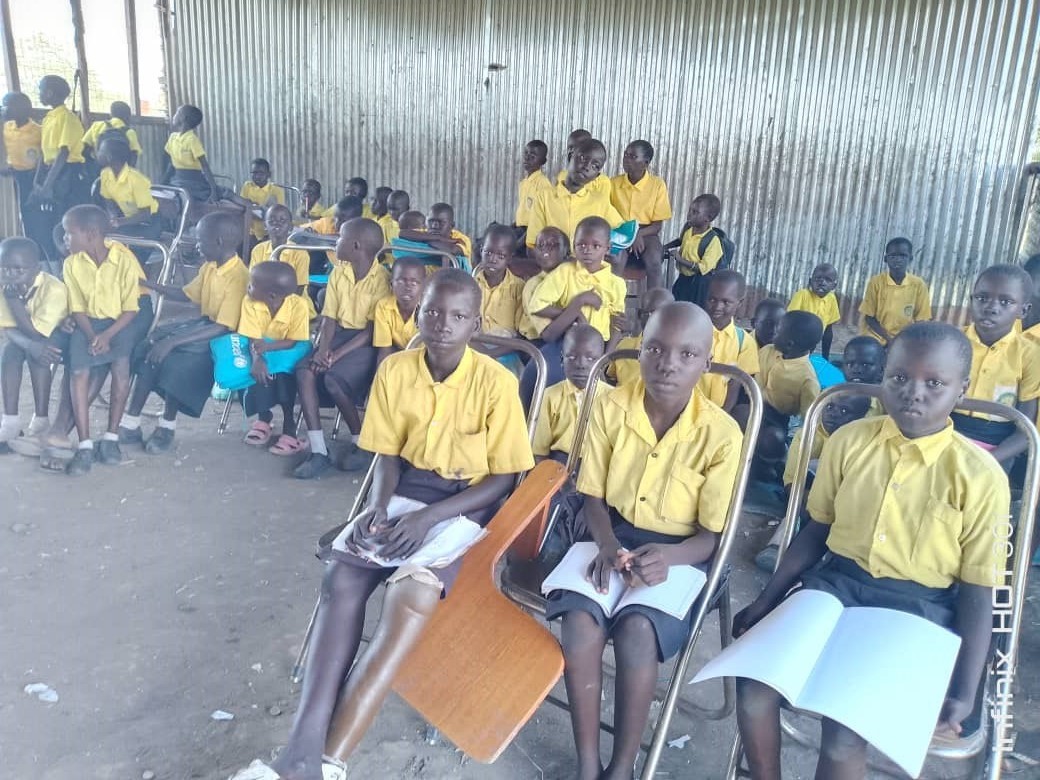
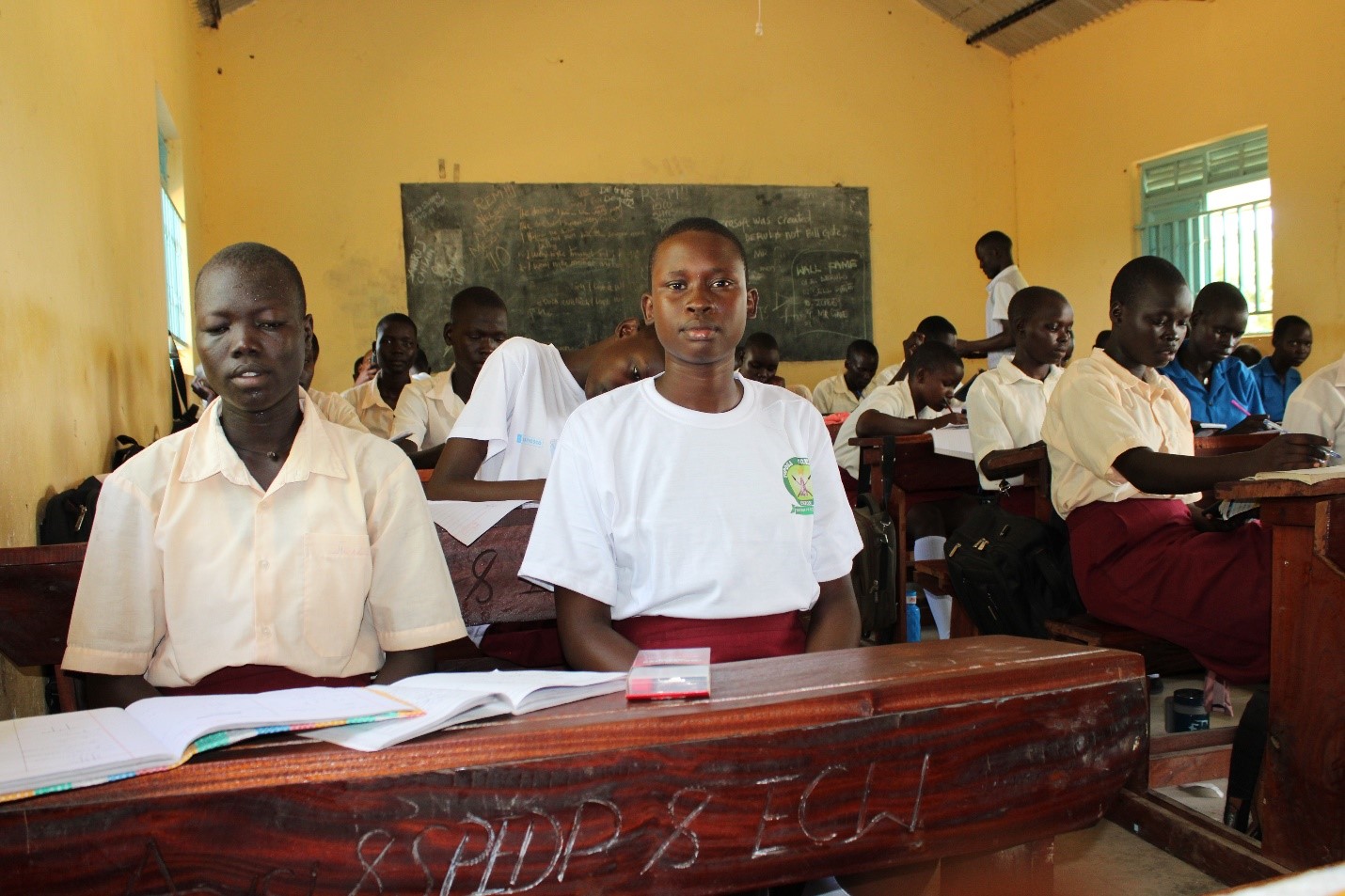
The training brought together 56 participants, including teachers, Parent-Teacher Association (PTA) members, learners, and parents. The sessions focused on strengthening collaboration between schools and families while promoting the use of locally produced food to support school feeding programmes. Participants discussed how active parental involvement can improve children's attendance, learning performance, and overall well-being, while home-grown school feeding initiatives can address food insecurity and create opportunities for local farmers.
The Home-Grown School Feeding Programme seeks to improve children's nutrition and educational outcomes by providing school meals sourced from local agricultural producers. By linking schools with local farmers, the initiative not only ensures that children receive nutritious meals but also supports livelihoods, stimulates local markets, and promotes sustainable agricultural practices within communities.
Speaking during the opening of the training, the Director General for Basic and Secondary Education, Mr. David Lowela, commended the Global Partnership for Education (GPE) for supporting the initiative. He noted that South Sudan continues to rely heavily on imported food products from neighbouring countries and overseas markets. According to Mr. Lowela, initiatives that encourage local food production can help reduce dependence on imports, strengthen national food security, and create economic opportunities for communities across the country.
He also encouraged learners to take a greater interest in science subjects, particularly agriculture, emphasizing their importance in driving the country's development.
"Agriculture is one of the sectors that can transform the country with immediate results. We need our young people to embrace agriculture and innovation as a pathway to prosperity and self-reliance," he said.
The training aimed to equip teachers, PTA members, parents, and learners with the knowledge and skills needed to strengthen parent engagement in education while promoting the sustainability of school feeding programmes through local food production. Participants gained a deeper understanding of how schools and communities can work together to create supportive learning environments and improve children's access to nutritious meals.
Discussions covered a range of topics, including the principles and benefits of home-grown school feeding, the impact of school meals on nutrition and learning, monitoring and evaluation, communication and advocacy strategies, and approaches for engaging parents, teachers, and community members. Participants also received practical training on agricultural production techniques, including nursery bed establishment, site selection and preparation, soil management, irrigation, fertilization, pest and disease control, and crop propagation methods.
The initiative was implemented under the theme "Every Child Has a Right to a Meal", reflecting the belief that access to nutritious food is fundamental to children's health, learning, and future success. By strengthening connections between schools, families, and local farmers, the programme seeks to create a sustainable model that benefits both learners and communities.
Food insecurity remains one of the most pressing challenges facing South Sudan, with millions of people relying on humanitarian assistance and imported food commodities. Against this backdrop, home-grown school feeding presents a promising approach that addresses both education and food security challenges simultaneously. By encouraging local food production and increasing community participation in schools, the initiative is helping to build more resilient education systems while supporting local economic development.
Funded by the Global Partnership for Education (GPE) through the World Food Programme (WFP), the Parent Engagement and Home-Grown School Feeding initiative demonstrates how partnerships between government, communities, and development partners can create lasting impact. As schools continue to strengthen their engagement with parents and embrace locally sourced school feeding programmes, they are laying the foundation for healthier learners, stronger communities, and a more food-secure future for South Sudan.