-
 Ministries, Juba, South Sudan
-
 info@mogei.gov.ss
Opening Hours: Monday to Friday - 8:00AM to 5:00PM
Ministries, Juba, South Sudan
info@mogei.gov.ss


Opening Hours: Monday to Friday - 8:00AM to 5:00PM

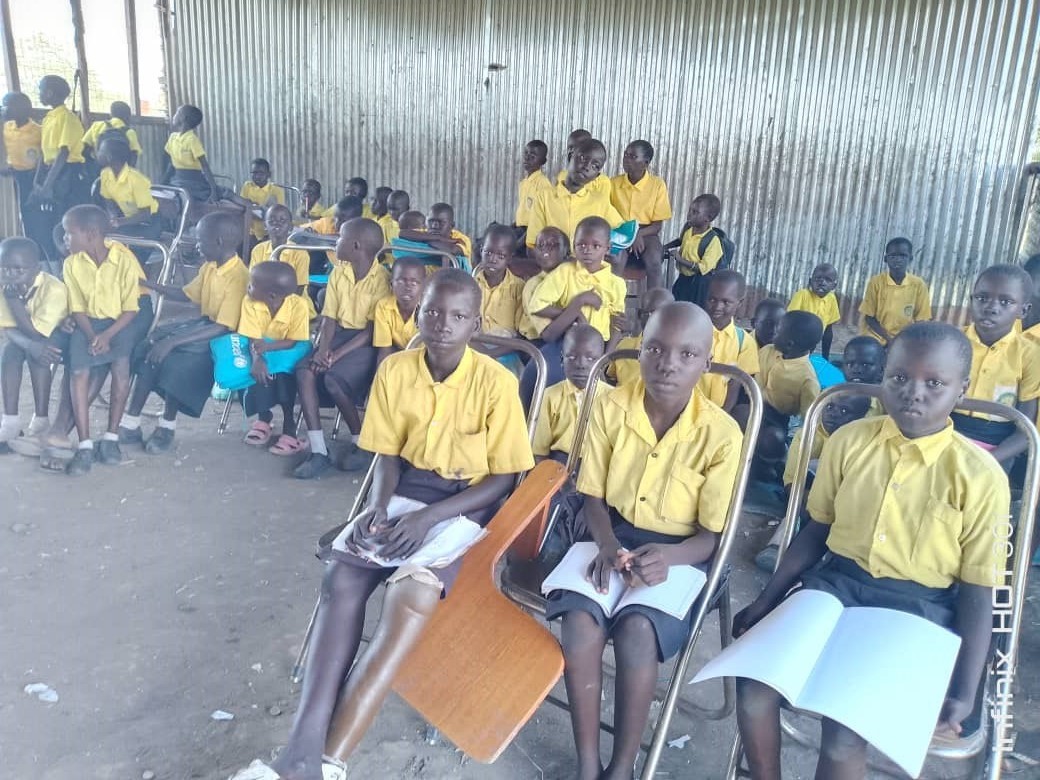
Across 40 primary
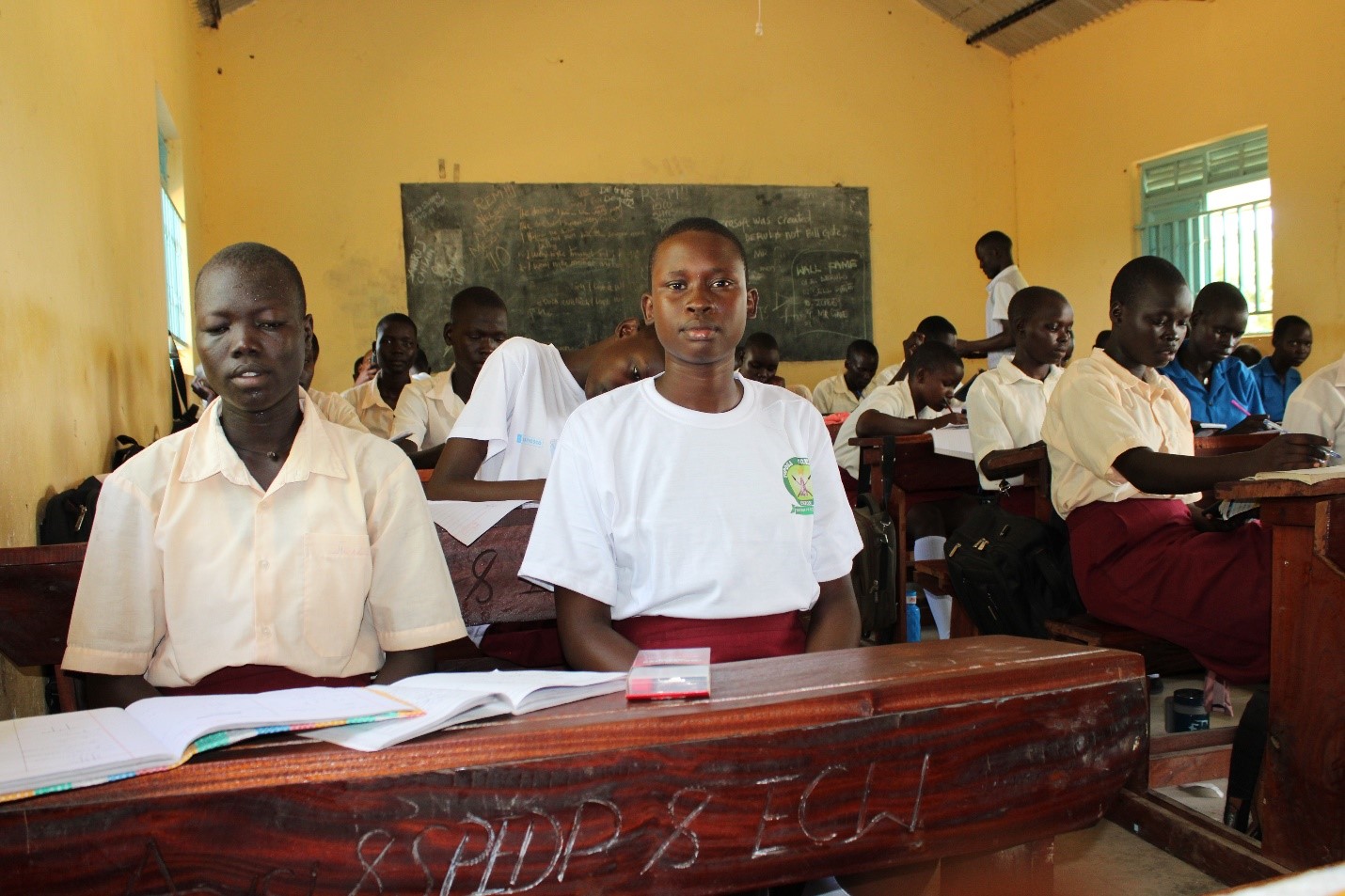
schools in Warrap State, a quiet but powerful revolution is taking shape. Young
pupils are stepping forward to challenge the social norms that keep many
children, especially girls, out of school.
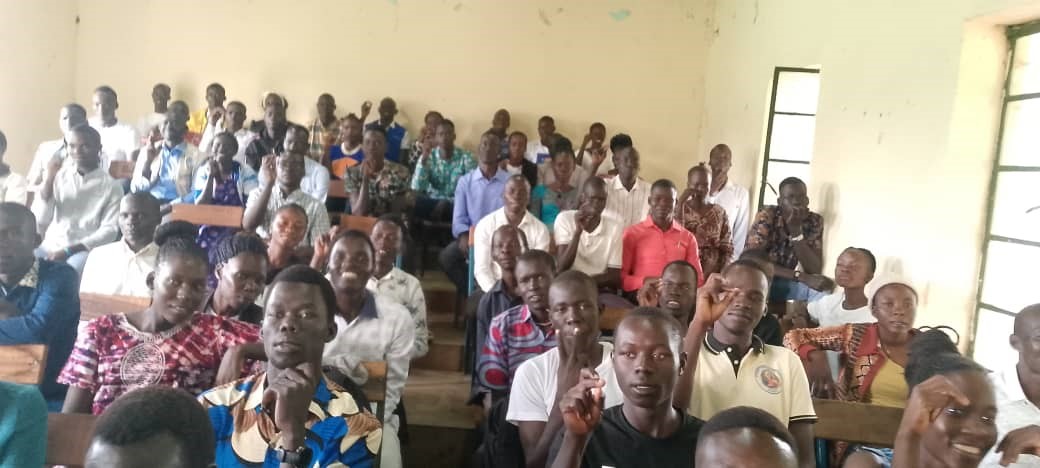
Through Champions
of Change clubs, both boys and girls are becoming strong advocates for
gender equality, school attendance, and children’s rights within their
communities.
In many parts of
Warrap State, harmful cultural practices such as early marriage, a preference
for educating boys, and the burden of heavy household chores on girls continue
to limit access to education. According to data from the Education Management
Information System, girls’ enrolment drops sharply after Primary 4, with more
than 4600 girls reportedly dropping out of school annually in Warrap State.
To address these challenges, the Champions of Change club model was introduced in 2024 with support from the Multi-Year Resilience Programme (MYRP) funded by Education Cannot Wait (ECW). The approach is simple yet impactful: equip children with knowledge, confidence, and a platform to question harmful norms and promote inclusive education.
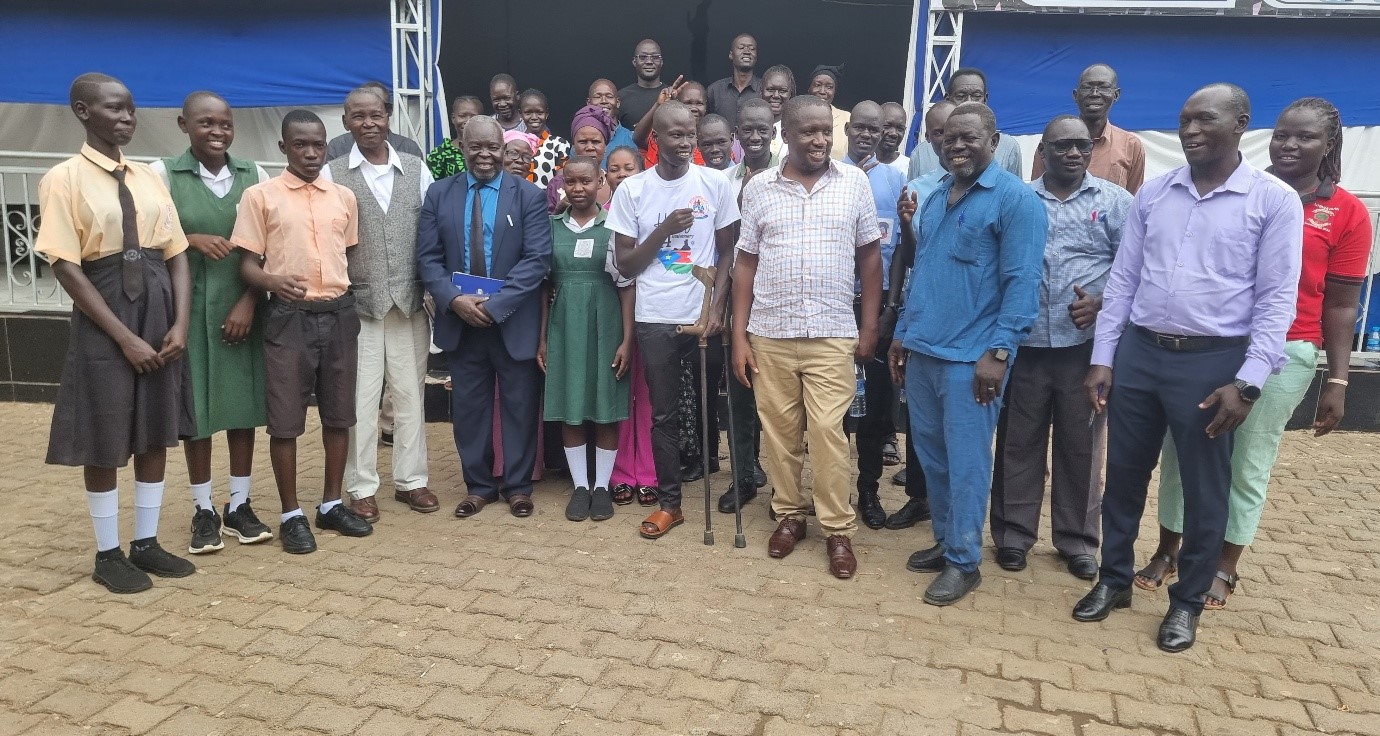
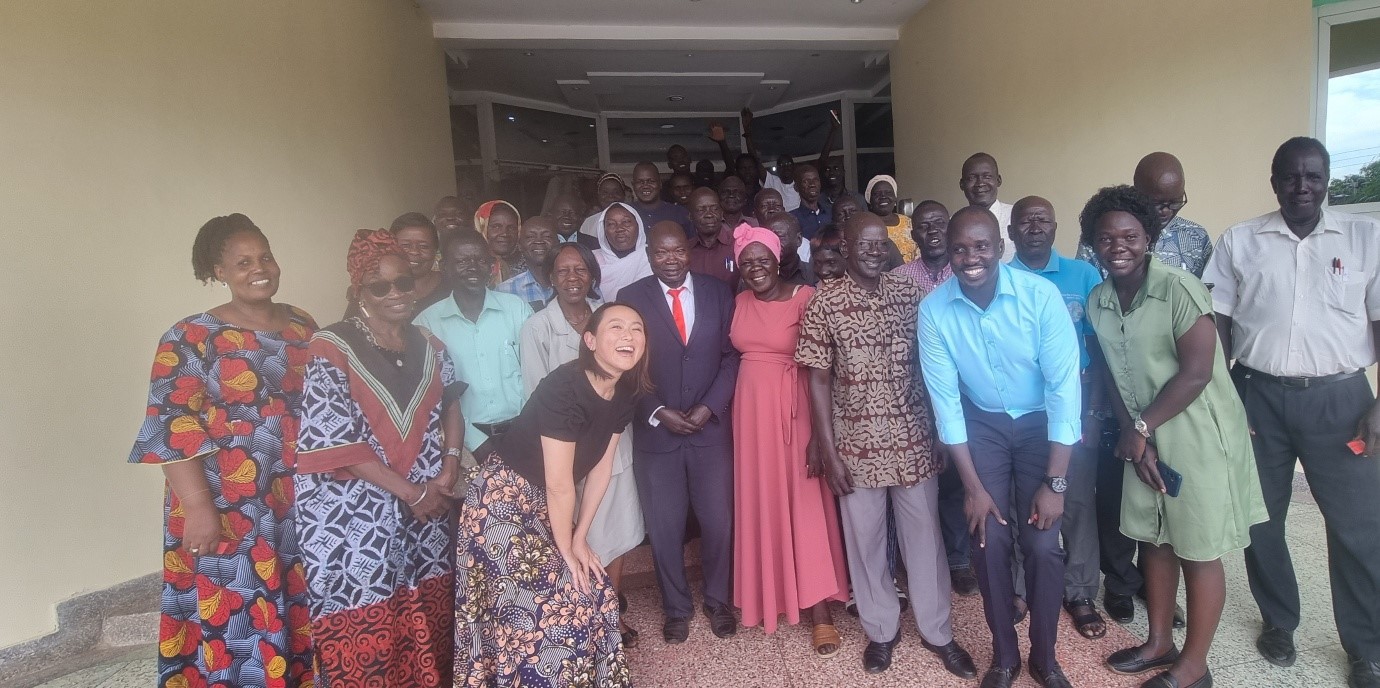
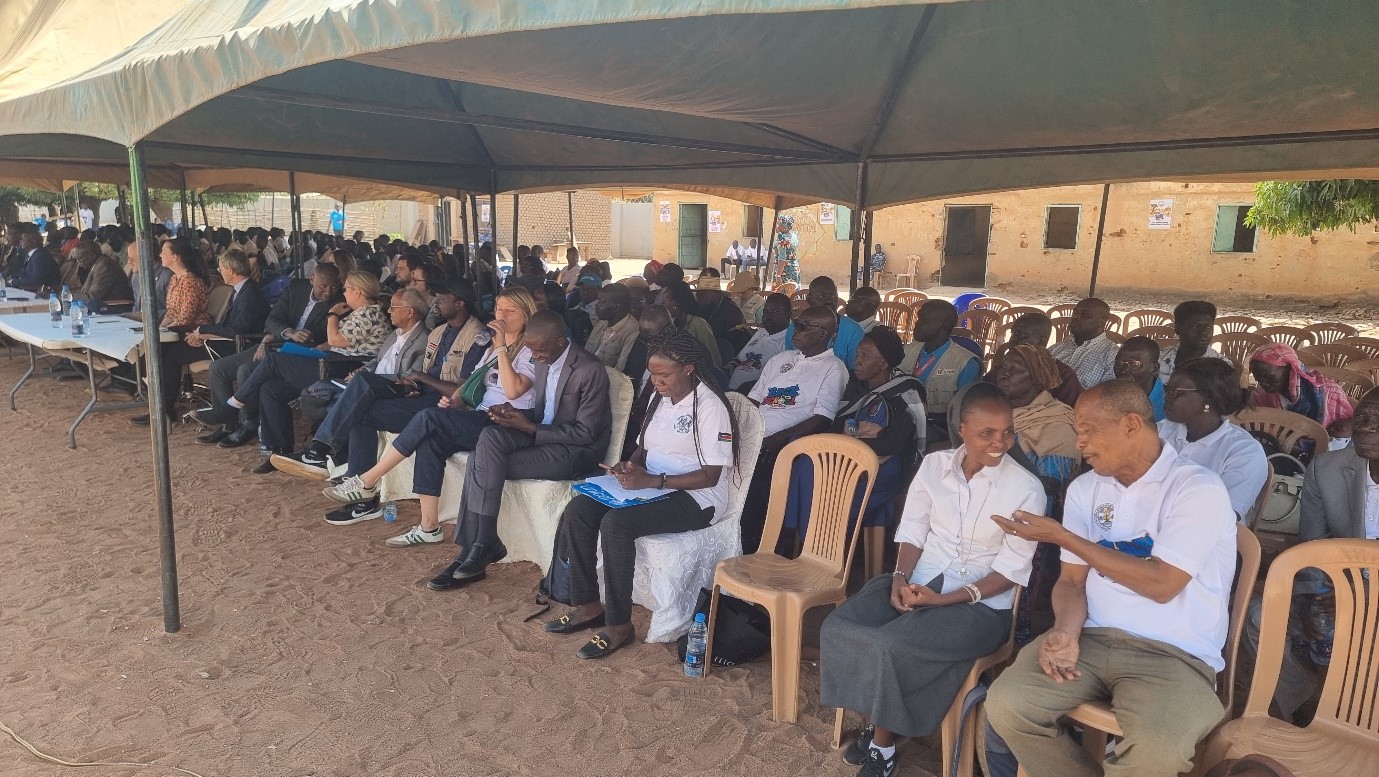
Speaking during a
recent graduation ceremony on 7 May 2026, Ker Bol Ker, Chairperson of the
Gender Taskforce Committee in Warrap State, reaffirmed the taskforce’s
commitment to empowering young people and promoting peace within schools, in
line with the aspirations of the Ministry of General Education and Instruction.
He expressed
appreciation for the contributions of NGOs across the state in fostering peace,
promoting equal rights, raising awareness about gender-based violence, and
creating pathways for young people to access education.
The Champions of
Change clubs continue to expand, with upcoming activities scheduled in
Injas Primary and Nursery School and Gogrial Primary School in Gogrial West
County.
Peace Corps
Organization is currently supporting three counties in Warrap State—Gogrial
West, Tonj East, and Tonj North—through the MYRP/ECW initiative, in partnership
with Plan International.
During the ceremony,
Peace Corps Organization Program Manager, MOWA Oliver, described the clubs as
“a beacon of inclusivity, equality, and resilience.” He noted that when
students are equipped to challenge harmful norms, promote peace, and advocate
for gender equality, they become agents of lasting change in both schools and
communities.
He emphasized that
sustainability will require continued collaboration among all stakeholders,
including government ministries, school administrations, parents, teachers, and
community leaders, to ensure that these values remain active and impactful.